
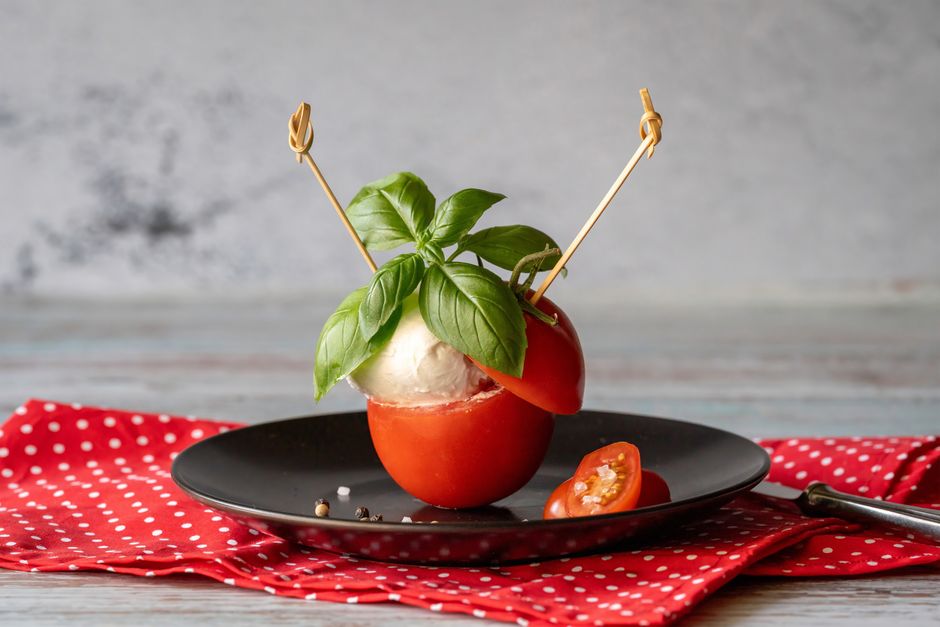
Whether mozzarella counts as a low-fat cheese depends entirely on which mozzarella you buy. Fresh mozzarella and part-skim mozzarella are two very different products, and whole-milk mozzarella sits in between. Compared with hard aged cheeses like cheddar, parmesan, or Swiss, most mozzarella varieties land on the lower end for fat per ounce — but only part-skim mozzarella fits the strict definition of a low-fat food.
What Does “Low Fat” Actually Mean on a Cheese Label?
The Food and Drug Administration sets specific rules for fat claims on food packaging. A product labeled “low fat” must contain 3 grams of fat or less per serving. “Reduced fat” means the product has at least 25 percent less fat than the regular version of the same food — it says nothing about the absolute fat content.
That distinction matters here. Reduced-fat cheddar can still carry 6 or 7 grams of fat per ounce. It is lower than regular cheddar, but it is not a low-fat food.
Part-skim mozzarella typically contains about 4.5 to 5 grams of fat per ounce. That is lower than most cheeses but technically above the FDA threshold for a “low fat” label. Fat-free mozzarella, made with skim milk, contains 0 grams of fat and does qualify.
So the honest answer is layered. Part-skim mozzarella is a lower-fat cheese. It is not a low-fat food by regulatory definition. Fat-free mozzarella is.
How Much Fat Is in Different Types of Mozzarella?
Fat content in mozzarella tracks the fat content of the milk used to make it. That is the main variable. Moisture content matters too — fresh mozzarella holds more water, which dilutes fat and calories by weight.
| Type | Fat per 1 oz (28 g) | Calories per 1 oz | Protein per 1 oz |
|---|---|---|---|
| Whole-milk fresh mozzarella | About 6 g | About 85 | About 6 g |
| Part-skim mozzarella | About 4.5–5 g | About 72 | About 7 g |
| Fat-free mozzarella | 0 g | About 45 | About 9 g |
| Whole-milk low-moisture mozzarella | About 6–7 g | About 90 | About 6 g |
These figures come from USDA nutrient data for standard mozzarella. Actual products vary by brand and by how much water the cheese retains.
One detail worth knowing: fresh mozzarella sold in brine can feel lighter but often contains more fat per ounce than the low-moisture blocks sold for pizza. The water content changes the weight, not the fat-to-protein ratio of the milk solids.
Is Mozzarella Cheese Low Fat Compared To Other Cheeses?
Yes — mozzarella generally sits below most common cheeses in fat per ounce, especially the part-skim and fat-free versions. This is where the focus keyphrase question lands, and the comparison is favorable.
Here is how mozzarella stacks up against other cheeses per 1-ounce serving, using standard USDA values:
- Part-skim mozzarella: about 4.5–5 g fat
- Whole-milk mozzarella: about 6 g fat
- Cheddar: about 9 g fat
- Swiss: about 8 g fat
- Parmesan: about 7–8 g fat
- Cream cheese: about 10 g fat
- Brie: about 8 g fat
Part-skim mozzarella carries roughly half the fat of cheddar ounce for ounce. That is a meaningful difference for anyone watching saturated fat intake. Cheese fat is largely saturated, and saturated fat is the type most associated with raising LDL cholesterol when eaten in excess.
The comparison is less dramatic against other fresh cheeses. Ricotta made with part-skim milk is similar to part-skim mozzarella. Cottage cheese is lower in fat and higher in protein than both.



Why Does Mozzarella Have Less Fat Than Aged Cheeses?
It comes down to how the cheese is made and how much water it keeps. Mozzarella is a fresh or semi-soft cheese with relatively high moisture. Cheddar and parmesan are aged and pressed, which drives out water and concentrates fat, protein, and calories into a smaller weight.
When you compare by weight, the drier cheese always looks denser in fat. Compare by the same moisture basis and the gap narrows.
Part-skim mozzarella is made from milk with some of the cream removed. That is the other half of the story. Skim milk means less fat going in, and less fat coming out. The process does not remove fat after the fact — it starts with less.
Fat-free mozzarella takes this further by using skim milk exclusively. The trade-off is texture. Fat carries flavor and gives cheese its melt and stretch. Fat-free mozzarella tends to be rubbery and does not melt the same way.
Does Lower Fat Mean Better for You?
Not automatically. Lower fat is not the same as healthier, and the evidence on cheese and heart health is more nuanced than the fat gram count suggests.
Some research indicates that cheese, despite its saturated fat, does not raise LDL cholesterol as much as the saturated fat content alone would predict. The calcium, protein, and fermentation process may play a role. This is an active area of study, and the findings are not uniform across all trials.
What matters more for most people is the whole pattern of eating, not one food. Replacing full-fat cheese with part-skim or fat-free versions can lower total fat and calorie intake if you eat cheese often. But if the fat-free version tastes worse and you eat more of it, or add other foods to compensate, the benefit disappears.
Protein and calcium are the strong points of mozzarella regardless of fat level. Part-skim and fat-free versions actually deliver slightly more protein per ounce because protein is concentrated when fat is reduced.
For people with high LDL cholesterol or existing heart disease, some clinicians recommend limiting saturated fat overall, which includes cheese. That is a general clinical direction rather than a rule that singles out mozzarella.
Who Should Pay Attention to Mozzarella’s Fat Content?
Anyone tracking saturated fat, calories, or cholesterol will find the mozzarella choice worth making deliberately. The difference between whole-milk and part-skim adds up fast if cheese is a daily food.
People managing heart disease or high LDL are the group most likely to benefit from choosing part-skim or fat-free options and watching portion size. One ounce is a standard serving — about the size of a pair of dice. Many people eat two or three times that in a single sitting without noticing.
People watching calories may find part-skim mozzarella useful because it delivers protein and calcium for relatively few calories. Fat-free mozzarella goes further on that front but at a cost to taste and texture.
For most healthy adults without specific cholesterol concerns, the type of mozzarella matters less than how much cheese they eat and what the rest of their diet looks like. There is no strong evidence that whole-milk mozzarella in normal amounts harms heart health in an otherwise balanced diet — but there is also no evidence it protects it.
How to Choose Mozzarella Without Getting Fooled by Labels
The front of the package is marketing. The nutrition facts panel is the part that tells you what you are actually buying.
- Check fat grams per serving, not the marketing words. “Light” and “reduced fat” have no fixed meaning beyond the 25 percent rule.
- Confirm the serving size. Some labels list a smaller portion to make the numbers look better.
- Look at saturated fat separately from total fat. Cheese fat is mostly saturated.
- Compare protein and calcium if those are your goals — part-skim and fat-free often win.
- Read the ingredient list on fat-free versions. Some add starches or gums to improve texture.
Fresh mozzarella packed in water or brine often has a higher fat content per ounce than the low-moisture block you grate. If fat is your concern, the block is usually the safer bet.
Shredded mozzarella sometimes contains added starch or cellulose to keep it from clumping. That does not change the fat much, but it does change what you are eating. Check the label if that matters to you.
Frequently Asked Questions
Is part-skim mozzarella considered low fat?
Part-skim mozzarella has about 4.5 to 5 grams of fat per ounce, which is lower than most cheeses but slightly above the FDA’s 3-gram threshold for a “low fat” label. Fat-free mozzarella meets that definition with 0 grams of fat.
Is mozzarella lower in fat than cheddar?
Yes. Part-skim mozzarella has roughly half the fat of cheddar per ounce, about 4.5 to 5 grams versus about 9 grams. Whole-milk mozzarella is also lower than cheddar at around 6 grams per ounce.
Is fresh mozzarella higher in fat than the block kind?
Often yes. Fresh mozzarella packed in brine tends to have more fat per ounce than low-moisture block mozzarella because of differences in water content. Check the nutrition label on the specific product.
Does fat-free mozzarella taste the same as regular?
No. Fat carries flavor and gives cheese its melt and stretch, so fat-free mozzarella is often rubbery and does not melt the same way. It works better in cooked dishes than eaten on its own.
