
A urine test can reveal far more than most people realize. It can detect signs of infection, kidney problems, liver issues, diabetes, dehydration, and even traces of drugs or pregnancy hormones. Urine carries waste products your body filters out, and the color, concentration, and contents of that waste offer a window into how your organs are working. A standard urinalysis — one of the most common medical tests performed worldwide — checks for dozens of substances at once. Some results point to clear diagnoses. Others simply flag something worth a closer look.
What Does a Standard Urinalysis Actually Check?
A routine urinalysis has three parts: visual inspection, a chemical dipstick test, and microscopic examination. Each part answers different questions.
The visual check looks at color and clarity. Normal urine ranges from pale yellow to amber. Cloudy urine may suggest infection, crystals, or cells. Dark urine can mean dehydration or, in some cases, liver or muscle problems.
The dipstick is a thin plastic strip with chemical pads. Each pad reacts to a specific substance. A standard dipstick typically tests for:
- pH — how acidic or alkaline the urine is. Normal urine pH generally falls between 4.5 and 8.0.
- Specific gravity — how concentrated the urine is, which reflects hydration status.
- Protein — normally absent or present only in trace amounts.
- Glucose — normally not detectable.
- Ketones — normally absent.
- Blood — normally not present in visible amounts.
- Leukocyte esterase — an enzyme from white blood cells, suggesting inflammation or infection.
- Nitrites — produced by certain bacteria, pointing toward a urinary tract infection.
- Bilirubin — normally absent; its presence can signal liver problems.
- Urobilinogen — normally present in small amounts.
The microscopic exam looks at cells, crystals, casts, and bacteria under a microscope. This step can confirm what the dipstick suggested or catch things the dipstick missed.
What Can Be Detected In Urine Test That Signals Disease?
Several serious conditions leave detectable traces in urine, sometimes before symptoms appear.
Urinary Tract Infections
UTIs are one of the most common findings. The presence of nitrites and leukocyte esterase, combined with symptoms like burning or frequent urination, strongly suggests a bacterial infection. A urine culture can identify the specific organism and guide antibiotic choice. This matters because different bacteria respond to different antibiotics.
Kidney Problems
Healthy kidneys keep protein and blood out of urine. When either shows up, it can indicate kidney damage. Protein in urine (proteinuria) is an early sign of kidney disease, especially in people with diabetes or high blood pressure. The presence of red blood cells or casts — cylindrical structures formed in kidney tubules — can point to glomerulonephritis or other kidney conditions. Persistent proteinuria is one of the most reliable early markers of chronic kidney disease.
Diabetes and High Blood Sugar
Glucose normally does not appear in urine. When blood sugar rises above a certain level, the kidneys can no longer reabsorb all of it, and it spills into urine. This is called glycosuria. It can be an early clue to diabetes, though blood tests remain the standard for diagnosis. Ketones in urine, especially in someone with diabetes, can signal diabetic ketoacidosis — a medical emergency.
Liver and Biliary Conditions
Bilirubin in urine is never normal. It can indicate liver damage, hepatitis, or a blockage in the bile ducts. Urobilinogen, normally present in small amounts, can rise or fall in ways that help doctors understand liver function. Dark, tea-colored urine is a classic sign of liver or gallbladder problems.
Dehydration and Electrolyte Balance
Specific gravity tells you how concentrated the urine is. High specific gravity means the urine is concentrated, often from dehydration. Low specific gravity means it is dilute, which can happen with excessive fluid intake or certain kidney conditions. This measurement helps clinicians assess hydration and kidney concentrating ability.
Can Urine Tests Detect Drugs, Pregnancy, and Other Substances?
Yes. Urine testing is widely used for these purposes.
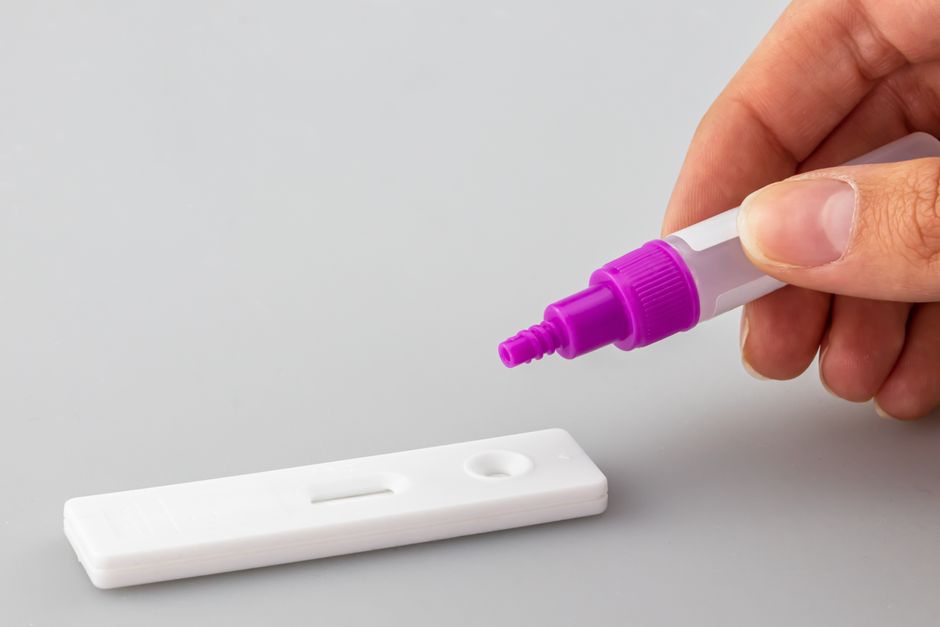
Pregnancy tests detect human chorionic gonadotropin (hCG), a hormone produced after implantation. Urine pregnancy tests are accurate when used correctly and after a missed period. They are one of the most reliable over-the-counter diagnostic tools available.
Drug tests screen for metabolites of substances like cannabis, opioids, amphetamines, cocaine, and benzodiazepines. Detection windows vary widely depending on the substance, how much was used, how often, and individual metabolism. A single use of some drugs may be detectable for a few days, while chronic use of others can be detected for weeks. These timelines are well documented in clinical toxicology but vary enough that no single number applies to everyone.
Urine can also be tested for specific hormones, metabolites, and markers related to rare metabolic disorders, especially in newborns. Newborn screening programs in the United States test for a range of inherited conditions, and some of those tests use urine.





What Can Urine Tests Miss or Get Wrong?
Urine tests are useful but not perfect. Several factors can affect results.
False positives and false negatives happen. A dipstick might read positive for blood when there is none, or miss blood that is actually present. Vitamin C supplements can interfere with some dipstick pads, causing false negatives for glucose or blood. Contamination from the skin or from not cleaning properly before collection can introduce bacteria or cells that are not actually in the urinary tract.
Timing matters. A first-morning urine sample is more concentrated and more likely to reveal abnormalities than a sample collected later in the day. How long the sample sits before testing can also affect results.
Most importantly, a urine test alone rarely provides a diagnosis. It is a screening tool. Abnormal results usually lead to blood tests, imaging, or a urine culture to confirm what is going on. A positive result on a urine test does not automatically mean disease, and a negative result does not always rule it out.
When Should You See a Doctor About Urine Changes?
Changes in urine are often harmless. But some warrant a medical visit.
See a doctor if you notice blood in your urine, dark brown or tea-colored urine, urine that is consistently cloudy or foul-smelling, pain or burning when you urinate, a sudden change in how often you urinate, or if you have diabetes and notice fruity-smelling urine. These can be signs of infection, kidney problems, or metabolic issues that need evaluation.
Also, if you have risk factors for kidney disease — diabetes, high blood pressure, a family history of kidney failure — regular urine testing is part of standard monitoring. Protein in urine often appears before kidney function declines measurably on blood tests.
How Is a Urine Sample Collected Correctly?
Collection technique affects accuracy. A clean-catch midstream sample is standard. This means cleaning the genital area, starting to urinate into the toilet, and then collecting the middle portion of the stream in a sterile cup. The first and last parts of the stream are more likely to be contaminated.
For routine testing, a first-morning sample is often preferred because it is more concentrated. For drug testing, collection may be observed to prevent tampering. For pregnancy testing, first-morning urine typically has the highest concentration of hCG.
Drinking a lot of water before a urine test can dilute the sample and potentially mask abnormalities. Unless your doctor tells you otherwise, normal hydration is fine. Do not stop taking medications before a urine test unless specifically instructed, as some medications can affect results and your doctor needs to know what you are taking.
Frequently Asked Questions
Can a urine test detect cancer?
Urine tests can detect some cancers, such as bladder cancer, by finding abnormal cells or specific markers. However, routine urinalysis is not a cancer screening test, and a normal result does not rule out cancer.
What does protein in urine mean?
Protein in urine usually means the kidneys are allowing protein to leak through their filters. It can be temporary from exercise, fever, or dehydration, or it can be an early sign of kidney disease.
How accurate are urine pregnancy tests?
Urine pregnancy tests are highly accurate when used after a missed period, detecting hCG in most cases. Testing too early or using diluted urine can produce a false negative.
Can urine tests detect dehydration?
Yes. High specific gravity and dark yellow urine are common signs of dehydration. These findings reflect concentrated urine, which happens when the body is conserving water.
