
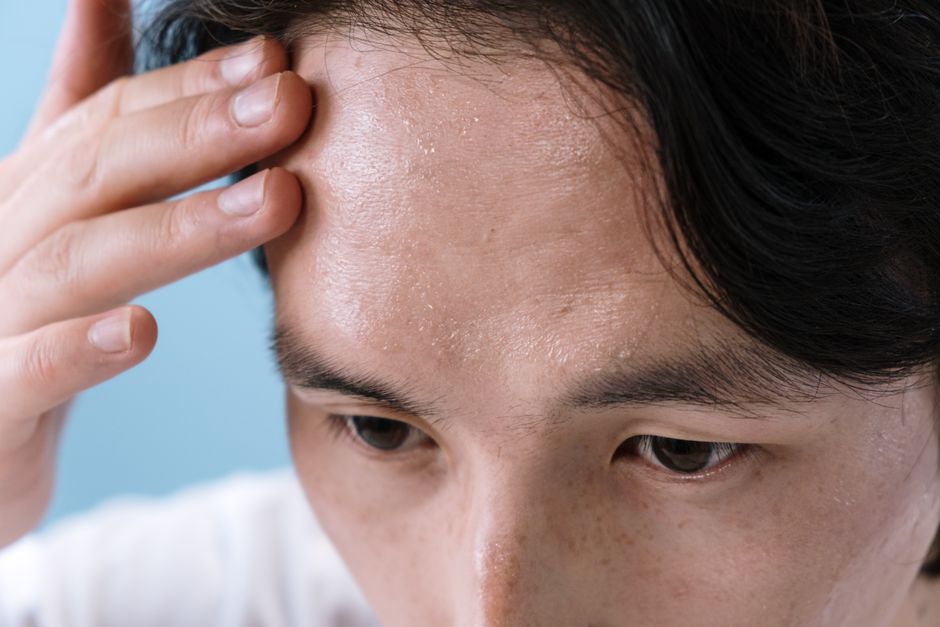
You cannot sweat out a cold virus. The idea that raising your body temperature through exercise, saunas, or heavy blankets will kill the virus is a myth. A cold virus lives inside your cells, not in your sweat, and it is your immune system—not your sweat glands—that clears the infection. While a fever is part of your body’s defense, intentionally trying to sweat more does not speed up recovery and can actually make you feel worse.
Why Sweating Does Not Kill the Virus
The common cold is caused by viruses, most often rhinoviruses. These viruses infect the cells lining your nose and throat. They multiply inside those cells, not in your bloodstream or in your sweat.
Sweat is mostly water and salt. It has no antiviral properties. Sweating does not flush the virus out of your system, and it does not raise your internal temperature enough to harm the virus. Even a high fever—which is a controlled immune response—only mildly inhibits viral replication. It does not “kill” the virus outright.
Your immune system does the real work. White blood cells identify infected cells, attack the virus, and eventually clear it. That process takes time, typically 7 to 10 days for a cold. Nothing you do in a sauna will shorten that timeline.
Does a Fever Mean You Are “Sweating It Out”?
A fever is different from sweating. When you have a fever, your brain’s thermostat resets to a higher temperature. Your body works to generate heat by shivering and constricting blood vessels. That is the fever phase.
Sweating happens when the fever breaks. Your thermostat resets back to normal, and your body releases heat through sweat to cool down. The sweating is a sign that the fever is ending, not the cause of the recovery.
Some people misunderstand this sequence. They see that they sweat as they start to feel better and assume the sweat cured them. In reality, the immune system fought the virus, the fever ran its course, and the sweating was just the body cooling off.
What Happens When You Exercise with a Cold
Heavy exercise while sick can do more harm than good. Intense physical activity is physically stressful. It raises your heart rate, increases inflammation, and can temporarily suppress immune function.
There is a common guideline called the “neck rule.” If your symptoms are above the neck—like a runny nose or mild sore throat—light to moderate exercise is generally considered acceptable. If symptoms are below the neck—like fever, body aches, chest congestion, or fatigue—rest is the safer choice.
This is general clinical guidance, not a strict rule. The safest approach is to listen to your body. If you feel exhausted, weak, or feverish, skip the workout. A few days of rest will not undo your fitness progress, but pushing through a viral illness can prolong recovery.
Exercise does not make a cold worse in every case. Some research suggests light activity may make you feel better temporarily due to endorphins and nasal decongestion. But it does not cure the infection, and there is no evidence it shortens the illness.





Saunas, Steam Rooms, and Hot Baths
Sitting in a sauna or steam room will not kill a cold virus. The heat is external and does not raise your core temperature enough to affect viruses deep in your respiratory tract.
Steam may provide temporary symptom relief. Inhaling warm, moist air can help loosen nasal congestion and soothe an irritated throat. That is a comfort measure, not a treatment. The effect lasts as long as the steam exposure, and it does nothing to fight the virus itself.
There is a real risk with saunas and hot baths while sick: dehydration. Fever already increases fluid loss. Adding heavy sweating on top of that can leave you dehydrated, which makes you feel worse and can slow recovery.
If you do use steam for congestion, keep the session short and drink water before and after. Do not use a sauna if you have a fever, feel dizzy, or have heart or blood pressure conditions.
What Actually Helps a Cold
No cure exists for the common cold. Treatment focuses on symptom relief while your immune system clears the virus.
- Rest. Sleep supports immune function. Your body does most of its repair work during deep sleep.
- Fluids. Water, broth, and warm tea help prevent dehydration and keep mucus thin.
- Over-the-counter medications. Decongestants, antihistamines, and pain relievers can ease symptoms. Follow the dosing on the label and check with a pharmacist if you take other medications.
- Saline nasal spray. This helps rinse congestion without the side effects of medicated sprays.
- Honey. For adults and children over one year, honey can soothe a cough. Do not give honey to infants under one year due to botulism risk.
Zinc lozenges taken within 24 hours of symptom onset may shorten a cold by about a day, according to some studies. The evidence is mixed, and zinc can cause nausea and a bad taste. Vitamin C does not prevent colds in most people, though regular use may slightly shorten duration. Echinacea shows inconsistent results in trials. None of these are cures.
Antibiotics do not work against cold viruses. They only treat bacterial infections. Taking them for a cold contributes to antibiotic resistance and can cause side effects like diarrhea or allergic reactions.
When to See a Doctor
Most colds resolve on their own within 7 to 10 days. But some symptoms warrant medical attention.
See a doctor if you have a fever above 103°F (39.4°C), a fever lasting more than three days, severe headache, chest pain, trouble breathing, or symptoms that improve and then suddenly worsen. These could indicate a secondary bacterial infection like pneumonia, bronchitis, or sinusitis.
Children and older adults are at higher risk for complications. Infants under three months with any fever should be evaluated by a doctor. People with asthma, COPD, heart disease, or weakened immune systems should also seek care earlier rather than later.
Can You Sweat Out a Cold Virus? The Bottom Line
Sweating is a cooling mechanism. It is not an antiviral defense. The cold virus does not leave your body through sweat, and no amount of heat exposure will speed up your recovery.
Your immune system is the only thing that clears a cold. Rest, hydration, and time are the most reliable tools. If you want to feel better faster, focus on sleep and symptom relief—not on trying to sweat the virus out.
Frequently Asked Questions
Can a sauna kill a cold virus?
No. Sauna heat does not reach the cells where the virus replicates. It may temporarily relieve congestion but does not shorten the illness.
Is it safe to exercise with a cold?
Light exercise is generally fine if symptoms are only above the neck, like a runny nose. Skip exercise if you have a fever, body aches, or chest congestion.
Does sweating help a fever break?
Sweating is a sign that a fever is breaking, not the cause of it. Your body sweats to release heat after your temperature set-point returns to normal.
How long does a cold usually last?
Most colds last 7 to 10 days. Some symptoms, like a cough, can linger for up to two weeks.
