
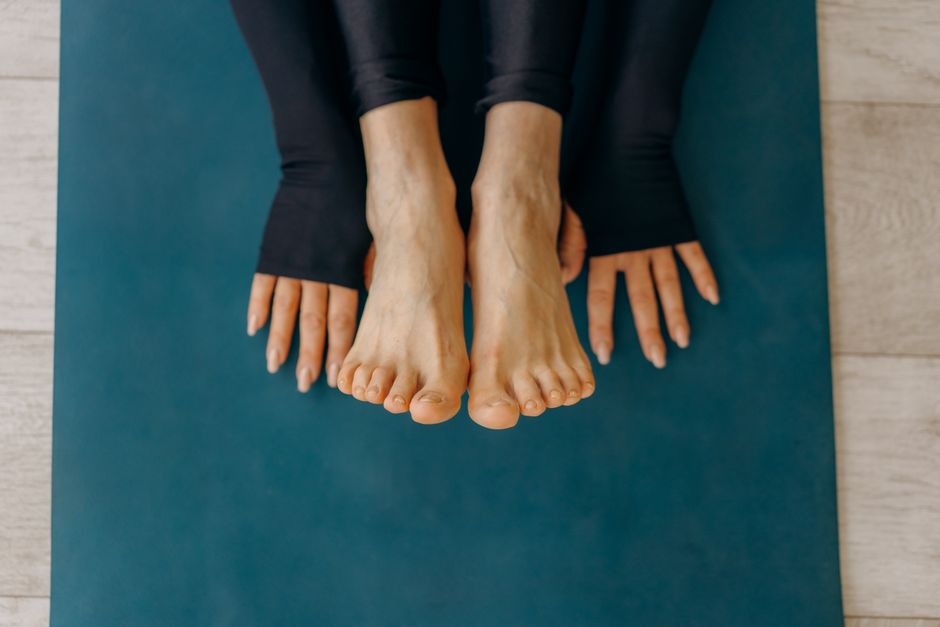
Cold, sweaty feet feel like a contradiction. How can your feet be freezing and dripping wet at the same time? It happens because sweating and temperature regulation are controlled by different parts of your body. The sweat itself is what makes your feet feel cold. When moisture evaporates from your skin, it pulls heat away with it. This leaves your feet wet and chilly at the same time. The most common trigger is stress or anxiety, but other medical conditions can cause it too.
Why Are Your Feet Cold But Sweaty? The Basic Mechanism
Your body has two main types of sweat glands. The eccrine glands cover most of your body and produce watery sweat for cooling. Your feet have thousands of these glands per square inch. But your feet also respond strongly to emotional triggers.
When you feel stressed, nervous, or scared, your body releases adrenaline. This hormone activates your sweat glands, especially on your palms and the soles of your feet. At the same time, stress causes blood vessels in your extremities to narrow. Less blood flow means your feet get colder. So you end up with cold skin and active sweat glands at the same time. The sweat sits on cold skin and evaporates slowly, which makes the cold feeling worse.
This is a normal physical response. It is not dangerous on its own. But when it happens often, it can be uncomfortable and embarrassing.
Common Causes of Cold and Sweaty Feet
Anxiety and stress are the most common causes. Public speaking, job interviews, or even a difficult conversation can trigger it. Some people sweat more in response to emotional stress than others. This is simply how their nervous system is wired.
Footwear plays a big role. Shoes that do not breathe trap heat and moisture. Synthetic socks hold sweat against your skin instead of wicking it away. This creates a damp environment that makes your feet feel colder than they would with bare skin.
Hyperhidrosis is a medical condition that causes excessive sweating. It affects about 3% of people. When it affects the feet, it is called plantar hyperhidrosis. People with this condition sweat heavily from their feet even when they are not hot or stressed. The constant moisture can make feet feel cold, especially in air-conditioned rooms or cold weather.
Poor circulation can also contribute. Conditions like peripheral artery disease reduce blood flow to the feet. Less blood flow means colder feet. If you also sweat, the combination produces that cold and wet feeling. However, poor circulation alone does not cause excessive sweating. It is usually paired with another trigger.
Medical Conditions That Cause Cold, Sweaty Feet
Several medical conditions can produce this symptom. An overactive thyroid, or hyperthyroidism, speeds up your metabolism. This can cause excessive sweating and heat intolerance. Some people with this condition report cold extremities as well.
Nerve damage, called neuropathy, can disrupt normal temperature and sweat signals. Diabetes is the most common cause of neuropathy. Damaged nerves may send incorrect signals, causing your sweat glands to activate when they should not. At the same time, nerve damage can make it hard for your body to sense temperature correctly.
Anemia reduces the oxygen-carrying capacity of your blood. This can make your hands and feet feel cold. If you also sweat easily, you may notice cold, damp feet more often.
If cold, sweaty feet are your only symptom, a serious medical condition is unlikely. But if you also have fatigue, unexplained weight changes, numbness, or pain, talk to a doctor. These additional symptoms may point to an underlying issue that needs treatment.





How to Stop Cold, Sweaty Feet
Start with simple changes to your footwear and socks. Choose socks made from merino wool or synthetic moisture-wicking materials. Avoid cotton. Cotton absorbs sweat and holds it against your skin, which makes the cold feeling worse. Change your socks during the day if they become damp.
Wear shoes made from breathable materials like leather or mesh. Rotate your shoes so they have time to dry out between uses. If your shoes are damp inside, your feet will stay damp too.
For excessive sweating, antiperspirants work on feet just like they work on underarms. Apply an antiperspirant to the soles of your feet at night. This allows the active ingredient to block sweat ducts while you sleep. Wash it off in the morning. Some people find this reduces daytime sweating significantly.
Iontophoresis is a treatment that uses a mild electrical current to reduce sweating. You place your feet in a shallow tray of water while a low current passes through. The exact mechanism is not fully understood, but it is effective for many people. You can buy home devices or get treatment at a dermatologist’s office.
For stress-related sweating, relaxation techniques can help. Deep breathing, meditation, and regular exercise all reduce baseline anxiety levels. The calmer your nervous system, the less likely your sweat glands will activate in response to stress.
When Cold, Sweaty Feet Need Medical Attention
Occasional cold, sweaty feet are not a reason to worry. But certain signs should prompt a medical visit. Seek care if you notice numbness, tingling, or pain in your feet. These could indicate nerve damage.
Watch for color changes. If your feet turn blue, white, or red along with the cold and sweating, this may indicate a circulation problem. Conditions like Raynaud’s phenomenon cause blood vessels to overreact to cold or stress.
If the sweating is severe enough to interfere with daily life, see a doctor. Prescription treatments exist. These include stronger antiperspirants, oral medications that reduce sweating, and botulinum toxin injections. Botox injections block the chemical signals that activate sweat glands. They are approved for underarm sweating but are sometimes used off-label for feet.
If you have diabetes, take cold, sweaty feet seriously. Diabetes can damage both nerves and blood vessels in the feet. Regular foot exams by a healthcare provider are important for anyone with diabetes.
Can Cold, Sweaty Feet Be Prevented?
Complete prevention is not always possible. If your nervous system responds to stress with foot sweating, you cannot simply turn that off. But you can reduce the frequency and severity.
Manage your stress levels with regular physical activity. Exercise reduces anxiety and improves circulation. Both effects help with cold, sweaty feet. Aim for regular movement throughout the day rather than long periods of sitting.
Keep your feet dry with moisture-wicking socks and breathable shoes. Carry a spare pair of socks if you know you will be on your feet all day. Avoid tight shoes that restrict airflow and trap heat.
If you have hyperhidrosis, prevention means ongoing management. The condition does not go away on its own, but treatments can control it effectively. Work with a dermatologist to find the approach that works for you.
Myths About Cold and Sweaty Feet
One common myth is that cold, sweaty feet mean you have a “weak heart” or poor circulation that needs medical treatment. In most cases, this is simply a normal stress response. Unless you have other symptoms, your heart and circulation are probably fine.
Another myth is that soaking your feet in hot water will fix the problem. Hot water can actually make sweating worse. The heat stimulates your sweat glands. After the soak, your feet will be warm briefly, but they may sweat more as they cool down.
Some people believe that only poor hygiene causes foot odor and sweating. While hygiene matters, the amount you sweat is largely determined by your nervous system and genetics. Washing your feet more often will not stop your sweat glands from activating.
Frequently Asked Questions
Why do my feet sweat when they are cold?
Your sweat glands respond to stress and anxiety by activating even when your body temperature is low. Adrenaline triggers sweating on your palms and feet while also narrowing blood vessels, which makes your skin colder.
Is cold and sweaty feet a sign of a serious health problem?
Usually not. Most cases are caused by stress, anxiety, or footwear choices. See a doctor if you also have numbness, pain, color changes in your feet, or other unexplained symptoms.
What is the best treatment for cold, sweaty feet?
Start with moisture-wicking socks and breathable shoes. Apply antiperspirant to your feet at night. If these do not help, a dermatologist can offer prescription treatments like stronger antiperspirants or iontophoresis.
Can diabetes cause cold and sweaty feet?
Yes. Diabetes can damage nerves that control sweating and temperature sensation. This can lead to abnormal sweating patterns and a feeling of coldness in the feet.
