
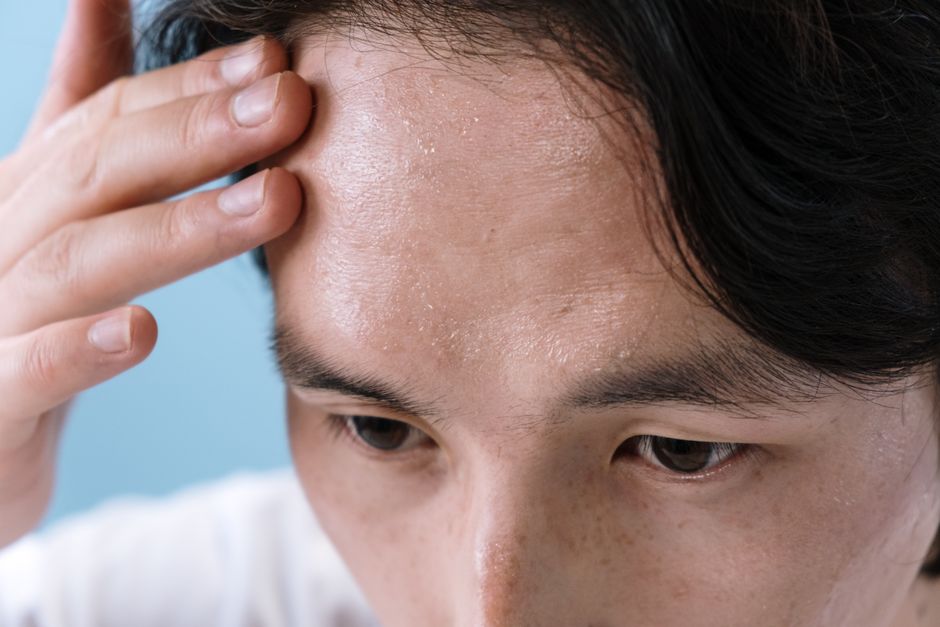
Sweating out a sickness is an old idea. Many people believe that working up a sweat will push a cold or flu out of the body faster. That is not how the immune system works. Sweating does not eliminate viruses or bacteria. A fever does the heavy lifting in fighting infection, and sweat is just a side effect of your body trying to cool down. You cannot sweat out an illness, and trying to do so can actually make you feel worse and slow your recovery.
Why Do We Sweat When We Are Sick?
Sweating during an illness is often a sign that your fever is breaking. Your brain sets a new, higher temperature to fight the infection. When the immune system gains the upper hand, the brain resets the thermostat back to normal. Your body then works to release that extra heat, which triggers sweating.
The sweat itself has no role in killing germs. It is purely a cooling mechanism. When you see sweat, it means your body is winning the temperature battle, not that the virus is leaving through your pores. The virus is being neutralized inside your cells by your immune response.
What Actually Fights the Infection?
Your immune system is the only thing that clears a viral or bacterial infection. White blood cells identify the pathogen, produce antibodies, and destroy infected cells. This process takes time and energy. A fever is part of this defense. Higher body temperature can make it harder for some pathogens to multiply.
This is why a mild fever is often left untreated in adults. Suppressing a low-grade fever with medication may prolong the illness in some cases. The fever is not the enemy. It is a deliberate immune strategy. Sweat is simply the byproduct of your body cooling down after the fever has done its job.
Can Exercise Help You Recover Faster?
Exercise raises your core temperature and makes you sweat. Some people believe this mimics a fever and boosts immunity. The evidence does not support this for acute illness. Strenuous exercise while sick can stress the body and divert energy away from the immune response.
Light activity, like a short walk, is generally fine if you feel up to it. It can improve circulation and mood. But intense workouts, saunas, or hot baths designed to force sweating are not helpful. They increase dehydration and physical stress at a time when your body needs rest and fluids.
There is no clinical evidence that induced sweating shortens a cold or flu. The idea that toxins leave the body through sweat is also false. Your liver and kidneys remove toxins. Sweat is mostly water and electrolytes.





What Are the Risks of Trying to Sweat Out a Sickness?
Forcing a sweat can be dangerous. The main risk is dehydration. A fever already causes fluid loss through increased respiration and sweating. Adding exercise or heat stress on top of that can push you into significant dehydration. This can lead to dizziness, weakness, and confusion.
There is also a risk of heat exhaustion. If you raise your body temperature too high through exertion or external heat, you can overwhelm your cooling system. This is especially risky if you are already fighting an infection. Your body is working hard to regulate temperature, and adding more heat can disrupt that balance.
In severe cases, this can lead to heat stroke, which is a medical emergency. No evidence suggests that raising your temperature higher than a natural fever provides any benefit. The risks clearly outweigh any theoretical advantage.
How Should You Actually Recover From a Cold or Flu?
The best approach is straightforward. Rest is the most effective tool. Your immune system works best when you are not physically active. Sleep is particularly important because your body releases certain immune proteins during deep sleep.
Hydration is critical. Drink water, clear broths, or electrolyte drinks. This replaces fluids lost to fever and helps keep mucus membranes moist. Warm liquids can also soothe a sore throat and ease congestion.
Over-the-counter medications can help manage symptoms. Decongestants, pain relievers, and cough suppressants do not cure the infection, but they can make you more comfortable while your immune system works. Always follow the dosing instructions on the label.
Antiviral medications exist for influenza, but they work best when started within the first 48 hours of symptoms. They are prescription-only and are not appropriate for everyone. Antibiotics do not work on viruses and are only useful for bacterial infections, which are a less common cause of cold and flu symptoms.
When Should You See a Doctor?
Most colds and flus resolve on their own within one to two weeks. Some symptoms warrant medical attention. Seek care if you have difficulty breathing, chest pain, confusion, or persistent high fever. A fever above 103°F (39.4°C) in an adult that does not respond to medication is a reason to call a doctor.
Symptoms that improve and then suddenly worsen can signal a secondary bacterial infection. This includes a return of high fever, new chest pain, or coughing up colored mucus. Dehydration is another concern, especially if you cannot keep fluids down.
Certain groups are at higher risk for complications. This includes older adults, pregnant women, and people with chronic conditions like asthma, diabetes, or heart disease. If you fall into one of these groups and get the flu, contact your doctor early. They may recommend antiviral treatment.
Does a Sauna or Steam Room Help or Hurt?
Saunas and steam rooms are relaxing and may temporarily ease congestion. The warm, moist air can soothe irritated airways. Some people find this helps them breathe more easily. However, this is symptom relief, not treatment.
Spending time in a sauna while sick can be risky. High heat increases heart rate and causes significant fluid loss. If you have a fever, you are already dehydrated. Adding a sauna session can worsen that state. It is safer to skip the sauna until you are fully recovered.
Steam inhalation at home, such as a hot shower, is a gentler option. It can provide temporary relief from nasal congestion without the extreme heat of a sauna. Keep the session short and stay hydrated afterward.
Can You Sweat Out a Sickness by Bundling Up in Blankets?
Bundling up in heavy blankets to force a sweat is an old home remedy. It is not recommended. If your body is already overheating from a fever, extra insulation can push your temperature too high. This is particularly dangerous for infants and older adults.
Dress in light layers and keep your room at a comfortable temperature. Use blankets if you feel cold, but remove them if you feel hot. Let your body regulate its temperature naturally. Forcing more heat does not help your immune system and can create unnecessary risk.
Frequently Asked Questions
Can you literally sweat the virus out of your body?
No. Viruses live inside your cells and are cleared by your immune system, not through your sweat glands. Sweat is only a cooling mechanism.
Is it bad to exercise with a cold?
Light activity is usually fine, but intense exercise can stress your body and slow recovery. Listen to your body and prioritize rest if you have a fever or feel very fatigued.
Does a sauna help you get over a cold faster?
No evidence shows saunas shorten a cold. They may temporarily ease congestion, but they also raise dehydration risk, especially when you already have a fever.
How long does it take to recover from the flu?
Most people recover within one to two weeks. Full recovery can take longer if complications develop or if you have underlying health conditions.
