
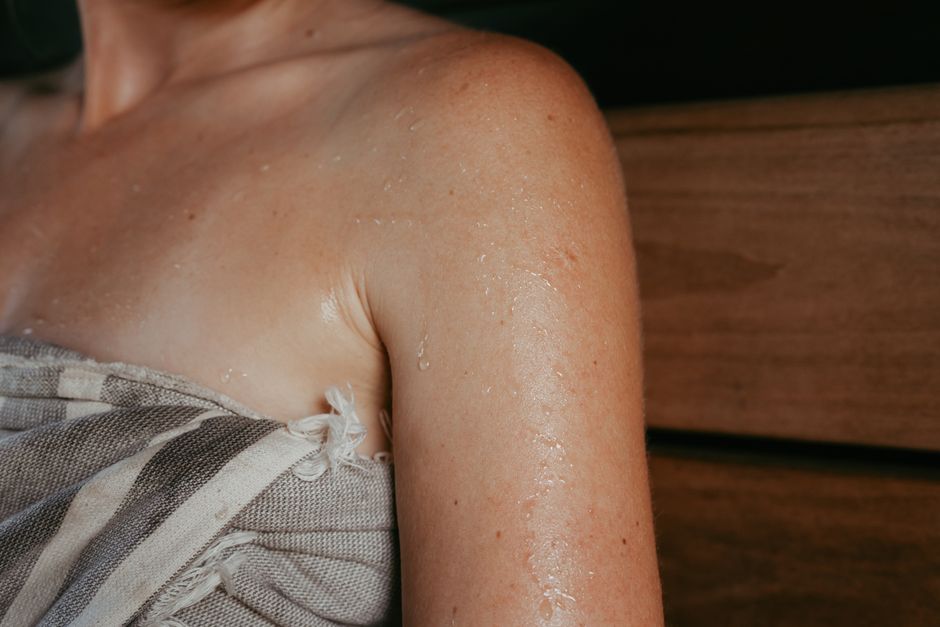
Excessive underarm sweating, known medically as axillary hyperhidrosis, is a common and treatable condition. The most effective first-line treatments include clinical-strength aluminum chloride antiperspirants, prescription medications, and in-office procedures like Botox injections, depending on the severity of your sweating. Over-the-counter antiperspirants work for mild cases, but if you are soaking through shirts daily, you likely need a stronger, prescription-strength approach.
Why Do My Armpits Sweat So Much?
Sweating is your body’s built-in cooling system. When your core temperature rises, your nervous system signals the millions of sweat glands in your skin to release moisture. Your armpits contain a high concentration of apocrine and eccrine glands, making them a primary sweating zone.
Everyone sweats. The difference with hyperhidrosis is that the sweat glands are overactive. The nerves that trigger sweating fire too easily, causing heavy sweating even when you are cool and at rest. It is not a sign of poor hygiene or a lack of fitness. It is a physiological response that your body cannot easily control on its own.
Hormones, stress, spicy foods, and caffeine can also make sweating worse. But for people with hyperhidrosis, these are triggers, not the root cause. The underlying issue is an overactive sympathetic nervous system response in the armpit area.
What Is the Difference Between Sweat and Odor?
Understanding the difference matters because the treatments differ. Sweat itself is mostly water and salt. It is odorless when it leaves the gland. Odor develops when bacteria on your skin break down the proteins and fats in apocrine sweat.
Antiperspirants stop sweat. Deodorants only mask or reduce odor. If your complaint is wetness, you need an antiperspirant. If your complaint is smell, a deodorant or antibacterial wash may be enough. Many people with heavy sweating use both: an antiperspirant to reduce moisture and a deodorant to control odor.
This distinction is important when shopping for products. A product labeled “clinical strength deodorant” may not reduce sweat at all. Check the label for the active ingredient. Aluminum compounds are what block sweat ducts.
How To Stop Pit Sweat With Over-the-Counter Products
Start with a standard antiperspirant. Look for one containing aluminum chlorohydrate or aluminum zirconium. These ingredients form a temporary plug in the sweat duct, reducing the amount of sweat that reaches the skin surface.
For mild to moderate sweating, a regular antiperspirant applied correctly can make a noticeable difference. The key is application. Most people apply antiperspirant in the morning after a shower. That is not the most effective time.
Apply antiperspirant to completely dry skin at night. Your sweat glands are less active while you sleep, allowing the product to absorb into the ducts. If you shower in the morning, you wash away the previous night’s application. This simple timing change is one of the most effective free adjustments you can make.
If a standard antiperspirant fails after two weeks of proper nighttime use, move to a clinical strength formula. These contain higher concentrations of aluminum (typically 15–20 percent) and are available without a prescription.



When to See a Doctor for Excessive Sweating
If you have tried clinical-strength antiperspirants for several weeks with no improvement, it is time to talk to a doctor. Heavy sweating that disrupts your daily life qualifies as a medical condition called axillary hyperhidrosis. It is not something you need to simply tolerate.
A primary care doctor or dermatologist can prescribe stronger treatments. These include prescription antiperspirants with aluminum chloride at concentrations of 20 percent or higher. These products work but can cause skin irritation, so doctors often recommend applying them with care and using a low-potency steroid cream if irritation develops.
Doctors can also prescribe oral medications called anticholinergics. These reduce sweating throughout the body by blocking the nerve signals that activate sweat glands. They can be effective, but side effects include dry mouth, blurred vision, and constipation. These medications are not right for everyone.
Medical Procedures That Stop Underarm Sweating
For people who do not respond to topical treatments or medications, several in-office procedures can provide longer-lasting relief.
Botox injections are the most well-established treatment for severe underarm sweating. Botox works by temporarily blocking the chemical signal that tells sweat glands to activate. A dermatologist injects small amounts into the underarm area. The effect lasts several months, after which repeat treatments are needed. Most people notice a significant reduction in sweating within a week or two of treatment.
MiraDry is a procedure that uses electromagnetic energy to destroy the sweat glands in the armpit. Because the glands are removed rather than temporarily blocked, the effect is permanent. The procedure is performed in a doctor’s office and typically requires one or two sessions. It is approved by the FDA for axillary hyperhidrosis.
Iontophoresis is a treatment where a mild electrical current is passed through water to the skin. It is highly effective for hands and feet but less practical for the armpits. Some clinics offer it, but Botox and MiraDry are more common for underarm sweating.
Lifestyle Adjustments That Reduce Armpit Sweating
Medical treatments are the mainstay, but certain lifestyle choices can reduce the severity of sweating. These will not cure hyperhidrosis, but they can make daily management easier.
Wear loose-fitting clothing made from natural fibers like cotton or linen. Tight synthetic fabrics trap heat and moisture, making sweating worse. Dark colors and patterned fabrics hide sweat marks better than light, solid colors.
Carry a small towel or use absorbent underarm shields. These are thin pads that stick to the inside of your shirt and absorb moisture before it soaks through. They are inexpensive and can be lifesavers for people with moderate sweating.
Reduce triggers where possible. Spicy foods, caffeine, and alcohol can stimulate sweating in some people. Stress and anxiety also activate the sweat response. Managing stress through deep breathing or mindfulness may help, but this is not a substitute for medical treatment in severe cases.
Are There Natural Remedies That Work?
Social media is full of “natural” remedies for excessive sweating. The evidence for most of these is weak or nonexistent. Sage supplements, apple cider vinegar, and baking soda pastes are popular claims, but no clinical evidence confirms they reduce sweat production.
Baking soda may help with odor by changing the skin’s pH, but it does not stop sweat. Apple cider vinegar has no proven effect on sweat glands. Sage has a long history in herbal medicine, but human trials are lacking.
Be honest with yourself about what these remedies can do. If you have mild odor concerns, some natural products may help. If you have true hyperhidrosis, they will not stop the sweating. Delaying effective treatment while trying unproven remedies can extend your discomfort for months or years.
Frequently Asked Questions
Does shaving my armpits reduce sweating?
Shaving does not reduce the amount of sweat produced, but it can reduce odor. Hair traps sweat and bacteria, which increases smell. Less hair means less surface area for bacteria to grow.
Is Botox for armpit sweating covered by insurance?
Many insurance plans cover Botox for hyperhidrosis when prescription antiperspirants have failed. You will need a doctor to document that conservative treatments did not work before the procedure.
Can losing weight reduce underarm sweating?
Weight loss can reduce overall sweating because there is less body mass to cool. However, people at a healthy weight can still have hyperhidrosis, so weight is only one factor.
Are prescription antiperspirants dangerous?
Prescription aluminum chloride antiperspirants are safe when used as directed. The most common side effect is skin irritation, which can be managed by applying the product less frequently or using a moisturizer.
