
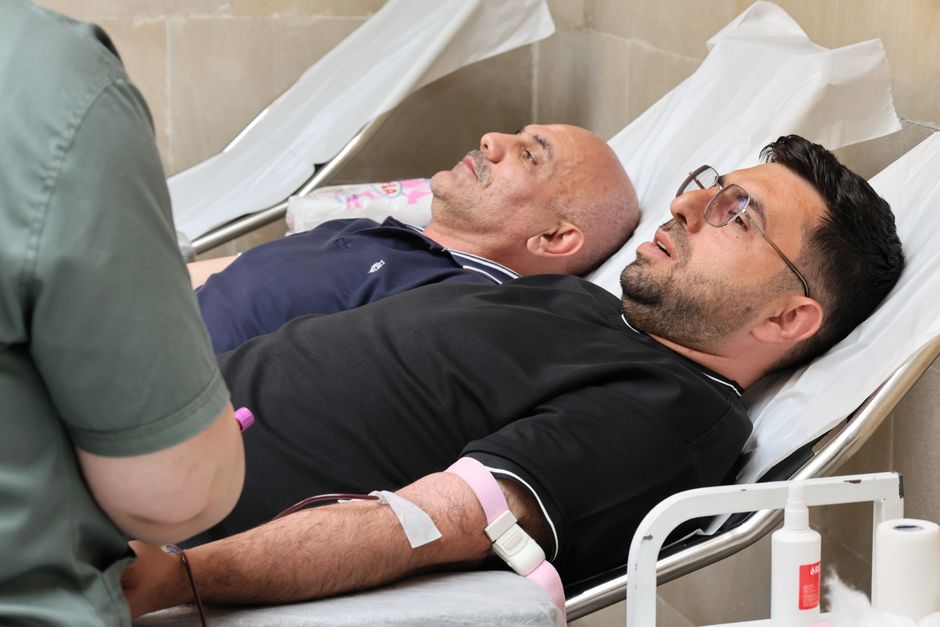
Yes, you can donate blood if you have sickle cell trait. The American Red Cross and other major blood collection organizations accept blood from donors with sickle cell trait. The trait is not the same as sickle cell disease, and it does not disqualify you from donating.
Having sickle cell trait means you inherited one sickle cell gene and one normal gene. You typically do not have symptoms of sickle cell disease. Your blood is safe to transfuse into another person, and the donation process itself is safe for you.
There are some special considerations. Blood centers may handle your donation differently, and some may ask you to donate a specific type of blood product. Here is what you need to know before you schedule your donation.
What Is the Difference Between Sickle Cell Trait and Sickle Cell Disease?
Sickle cell disease is a serious inherited blood disorder. People with the disease inherit two sickle cell genes, one from each parent. Their red blood cells become rigid and shaped like a crescent or sickle. These cells can block blood vessels, causing severe pain, organ damage, and other complications.
Sickle cell trait is different. People with the trait inherit one sickle cell gene and one normal hemoglobin gene. Most people with the trait have no symptoms and live normal lives. Under extreme conditions, such as severe dehydration or very high altitude, some people with the trait can experience complications. But for everyday life, the trait rarely causes problems.
Roughly 1 in 13 Black or African American babies is born with sickle cell trait in the United States. The trait also appears in people of Mediterranean, Middle Eastern, and Indian ancestry, though less frequently.
Can You Donate Blood If You Have Sickle Cell Trait?
Yes. Sickle cell trait is not a reason to be turned away from a blood donation center. The Food and Drug Administration (FDA) does not prohibit blood donation from people with sickle cell trait. Blood collection organizations follow FDA regulations, and those regulations allow donations from people with the trait.
Your red blood cells function normally under standard conditions. The sickle shape only appears when oxygen levels drop dramatically, which does not happen during a routine blood donation. The blood you donate is processed and tested before it is given to a recipient.
One important note: your blood may not be used as whole blood. Many blood centers use blood from donors with sickle cell trait for specific products, such as washed red blood cells or frozen red blood cells. These products are safe for transfusion. The washing process removes most of the plasma and other components, leaving red cells that behave normally.
Why Do Some Blood Centers Ask About Sickle Cell Trait?
Blood centers ask about your medical history, including whether you have sickle cell trait, for a few reasons. The main reason is to determine how to process your blood. Some blood products require special handling when the donor has the trait.
For example, blood from a donor with sickle cell trait may not be ideal for certain types of transfusions in newborns. This is because fetal hemoglobin behaves differently than adult hemoglobin. Blood centers have protocols for this and will route your donation to the appropriate product.
Another reason is donor safety. Blood centers want to make sure you are healthy enough to donate. Sickle cell trait itself does not make donation unsafe, but the screening process helps identify any other conditions that might.


Are There Any Risks for the Donor With Sickle Cell Trait?
For most people with sickle cell trait, donating blood is safe. The donation process removes about a pint of blood, which your body replaces within a few weeks. You may feel lightheaded or tired afterward, which is common for all donors, not just those with the trait.
There is a rare condition called exercise-related sudden death associated with sickle cell trait. This has been reported in military recruits and athletes during extreme physical exertion, especially in heat. But this is not related to blood donation. Blood donation does not trigger this condition.
If you have sickle cell trait and you are considering donating blood, you should be well-hydrated and have eaten a meal beforehand. These are standard recommendations for all blood donors. If you have any concerns about your health, talk to your doctor before donating.
What Tests Are Done on Donated Blood?
Every unit of donated blood is tested before it is used. Blood centers test for infectious diseases including HIV, hepatitis B, hepatitis C, syphilis, and West Nile virus. They also test blood type and Rh factor.
Blood from donors with sickle cell trait is also screened for hemoglobin levels. This is a standard test for all donors. If your hemoglobin is too low, you will be deferred and asked to donate another time. This is a safety measure to protect you from becoming anemic after donation.
The testing does not look for sickle cell trait in the donated blood itself. The trait does not make the blood unsafe. The only reason the blood center needs to know about your trait is for processing decisions.
Can You Donate Blood If You Have Sickle Cell Disease?
No. People with sickle cell disease cannot donate blood. The disease causes chronic anemia and other health problems that make donation unsafe for the donor. Also, the red blood cells of someone with sickle cell disease do not survive well in storage and are not suitable for transfusion.
If you have sickle cell disease, you may be able to help in other ways. Many blood centers have programs for people with sickle cell disease to receive blood from matched donors. You can also encourage friends and family to donate on your behalf. Some organizations offer a way for people with sickle cell disease to register as potential recipients of bone marrow or stem cell transplants.
What Should You Tell the Blood Center?
Be honest during the screening process. When asked about your medical history, tell the staff that you have sickle cell trait. This information helps them process your donation correctly.
If you do not know whether you have the trait, you may find out during the screening process. Some blood centers test for sickle cell trait as part of their screening, especially if you are a first-time donor of African ancestry. If you learn you have the trait during a donation attempt, the blood center will provide you with information and resources.
Knowing your trait status is useful for family planning. If both parents have the trait, each child has a 25 percent chance of having sickle cell disease. If you have the trait and your partner does not, your children cannot have sickle cell disease, but they may have the trait.
Frequently Asked Questions
Can I donate blood if I have sickle cell trait?
Yes, you can donate blood if you have sickle cell trait. The trait does not disqualify you from donating, and your blood is safe for transfusion.
Will my blood be used if I have sickle cell trait?
Yes, but it may be processed into specific blood products rather than used as whole blood. Blood centers may use your donation for washed or frozen red blood cells.
Is it safe for me to donate blood with sickle cell trait?
Yes, donating blood is safe for most people with sickle cell trait. The donation process does not trigger sickle cell complications.
Can someone with sickle cell disease donate blood?
No, people with sickle cell disease cannot donate blood. The disease causes chronic anemia and makes donation unsafe for the donor.
If you have sickle cell trait and want to donate, call your local blood center first. Ask about their specific policies. Most centers will welcome your donation and guide you through the process. Your blood can save lives, and having the trait does not stop you from making that difference.
