
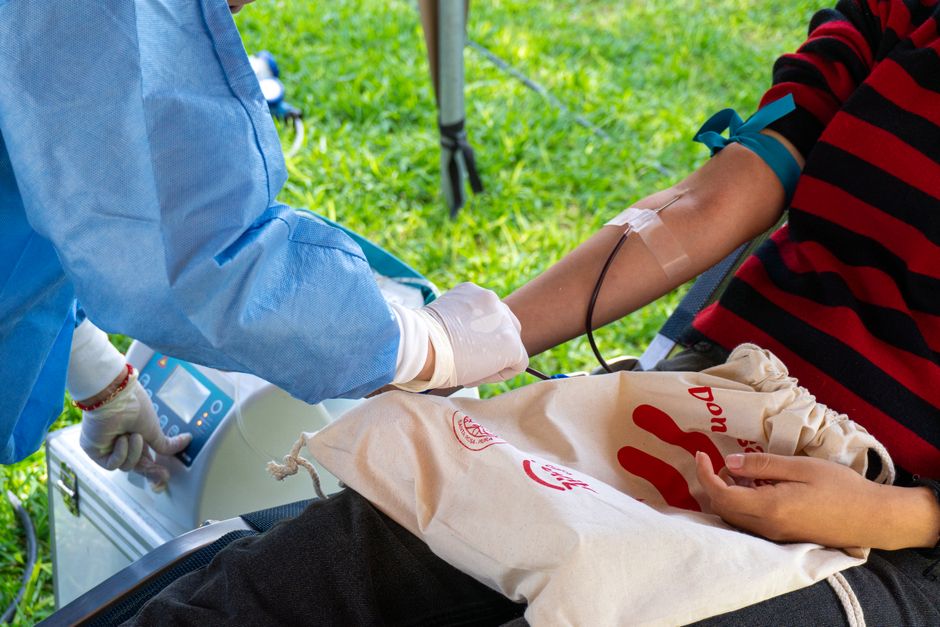
Donating blood is one of the few actions that can save a life and improve your own health at the same time. A single donation can help up to three different patients, and the process takes less than an hour. For most healthy adults, the benefits of giving blood go beyond the good feeling of helping others—your body quickly replaces the blood you give, and you get a free mini health screening in the process.
Why You Should Donate Blood Saves Lives And Your Health
Blood donation is a direct, measurable way to help others. Hospitals use donated blood for surgeries, cancer treatments, trauma care, and chronic illnesses. When you donate, your blood is tested and separated into components—red cells, plasma, and platelets—so each part can go to the patient who needs it most.
The health benefits for the donor are real but often overstated. You do not get “healthier blood” by donating. Your body replaces the red blood cells you lose within a few weeks. The most concrete health benefit is the screening. Every donation is tested for blood type, infectious diseases, and hemoglobin levels. You learn if your blood pressure is in a normal range, and you are told if any test comes back abnormal.
Some research has suggested that regular blood donation may lower iron stores in the body. For some people, high iron levels are linked to certain health conditions. But this is not a reason to donate if you are otherwise healthy. It is simply a fact about how the body regulates iron.
Who Can Donate Blood?
Most adults between 17 and 66 years old can donate, though rules vary by location. You must weigh at least 110 pounds and be in general good health. You cannot donate if you have an active infection, have recently had surgery, or are anemic.
Some restrictions exist to protect the recipient, not you. For example, people who have traveled to certain countries with malaria risk may need to wait. People taking certain medications may be deferred. These rules change over time, so the best approach is to check with your local blood center before you go.
You cannot donate if you have ever tested positive for HIV or hepatitis B or C. You also cannot donate if you have certain chronic conditions that affect blood safety. These rules are strict because the goal is to protect the person receiving the blood.
What Happens During a Blood Donation?
The process is straightforward. You register, answer questions about your health history, and get a quick physical check. A staff member measures your blood pressure, pulse, and temperature. A finger prick tests your hemoglobin level to make sure you are not anemic.
The actual donation takes about 10 minutes. A sterile needle is placed in a vein in your arm, and about one pint of blood is collected into a bag. That is roughly 10 percent of the blood in your body. Your body compensates quickly for the lost fluid, and most people feel fine afterward.
After donating, you rest for about 15 minutes and eat a snack. Most blood centers provide juice and cookies to help restore your blood sugar. You are advised to avoid heavy lifting and strenuous exercise for the rest of the day.
The entire visit lasts about an hour. The time you spend actually giving blood is short. The screening and recovery take up most of the visit.



How Long Does It Take Your Body to Recover?
Your body replaces the fluid portion of your blood within 24 hours. The red blood cells take longer—about four to six weeks. That is why you must wait at least 56 days between whole blood donations. This waiting period is not arbitrary. It is based on how long it takes your body to fully rebuild its red blood cell supply.
Your iron levels take time to recover too. Each donation removes about 200 to 250 milligrams of iron from your body. If you donate too frequently, your iron stores can drop, leading to anemia. This is why blood centers check your hemoglobin before every donation.
Platelet donors can give more often because platelets are replaced within a few days. Plasma donors can give every few weeks. But whole blood donation—the standard type—is limited to every 56 days for men and every 84 days for women. Women need more time because they naturally have lower iron stores.
What Are the Risks of Donating Blood?
For healthy adults, blood donation is very safe. The most common side effects are minor: dizziness, lightheadedness, or a small bruise at the needle site. These symptoms usually pass within a few minutes to a few hours.
Serious complications are rare. You could faint, especially if you are nervous or have not eaten. You could have an allergic reaction to the antiseptic used to clean your arm. Infection at the needle site is possible but uncommon because all equipment is sterile and single-use.
You cannot get an infection from donating blood. The needles and bags are new, sterile, and used only once. There is no risk of catching a disease from the donation process itself.
People with certain medical conditions should not donate. If you have heart disease, you should ask your doctor first. If you are pregnant, you cannot donate. If you have recently given birth, you typically need to wait six weeks.
Does Donating Blood Lower Your Iron Levels?
Yes, and for some people this is a benefit. Each donation removes a significant amount of iron from your body. If your iron levels are normal or high, this is not a problem. Your body will replace the iron over the following weeks.
Some research has linked high iron stores to an increased risk of certain conditions, including type 2 diabetes and non-alcoholic fatty liver disease. Regular blood donation may reduce iron stores, and some studies suggest this could lower these risks. But the evidence is not strong enough to recommend blood donation as a treatment for high iron.
If you are a woman who menstruates, you already lose iron regularly. You may be at higher risk of low iron, and blood donation could push you into anemia. This is why the hemoglobin test before donation is so important. If your levels are too low, you will be deferred and told to increase your iron intake.
For men and postmenopausal women, iron levels tend to be higher. Blood donation is less likely to cause a problem for these groups. Still, everyone should wait the recommended time between donations to allow iron stores to rebuild.
What Is a Blood Drive and How Do You Find One?
A blood drive is a mobile blood donation event. Blood centers set up temporary collection sites at schools, workplaces, community centers, and places of worship. The process is the same as donating at a fixed center, but the location changes.
You can find a blood drive by contacting your local blood center or checking their website. Many centers allow you to schedule an appointment online. Walk-ins are often accepted, but appointments help the center manage staffing and supplies.
If you have a rare blood type, your donation is especially valuable. Type O negative blood is the universal donor type, meaning it can be given to anyone. Only about 7 percent of people have this type. If you are O negative, your donations are in high demand.
Platelet donations are also important. Platelets are used for cancer patients and people undergoing organ transplants. They have a very short shelf life—only five days—so there is a constant need for platelet donors.
Can You Donate Blood If You Take Medication?
Many medications do not disqualify you from donating. Common blood pressure medications, cholesterol drugs, and thyroid medications are usually fine. The key question is whether the medication affects the safety of your blood for the recipient.
Some medications require a waiting period after the last dose. For example, certain acne medications and hair loss treatments can cause birth defects, so you must wait at least one month after stopping them. Blood thinners like warfarin require a waiting period too.
Antibiotics are usually fine if you are not currently being treated for an active infection. You must be feeling well and symptom-free at the time of donation. If you finished antibiotics and feel better, you can typically donate.
The best approach is to bring a list of your medications to the blood center. The staff will review it and tell you if you are eligible. Never stop taking a medication to donate blood without talking to your doctor first.
How Often Can You Donate Blood?
For whole blood, the standard interval is 56 days for men and 84 days for women. This difference exists because women generally have lower iron stores. The American Red Cross and most blood centers follow these guidelines.
You can donate platelets more frequently—up to 24 times per year. Platelet donation takes longer, usually about two to three hours, because the blood is drawn, processed to remove platelets, and then returned to your body. This is called apheresis.
Plasma donation can also be done more often, up to every 28 days. Plasma is the liquid part of blood that carries proteins and nutrients. It is used to treat burn victims, people with clotting disorders, and patients with certain immune deficiencies.
The key is to listen to your body. If you feel tired or weak after donating, wait longer. If your hemoglobin levels are consistently low, you may need to focus on iron-rich foods before your next donation.
Frequently Asked Questions
Does donating blood hurt?
You feel a quick pinch when the needle goes in, similar to a blood test. The rest of the donation is painless.
Can I donate blood if I have high blood pressure?
You can donate if your blood pressure is below 180/100 mmHg on the day of donation. If it is higher, you will be deferred and advised to see your doctor.
How long does it take to donate blood?
The entire visit takes about one hour, but the actual blood draw lasts only 8 to 10 minutes.
Will I feel tired after donating blood?
Some people feel mild fatigue for a day or two. Drinking extra fluids and eating iron-rich foods can help you recover faster.
