
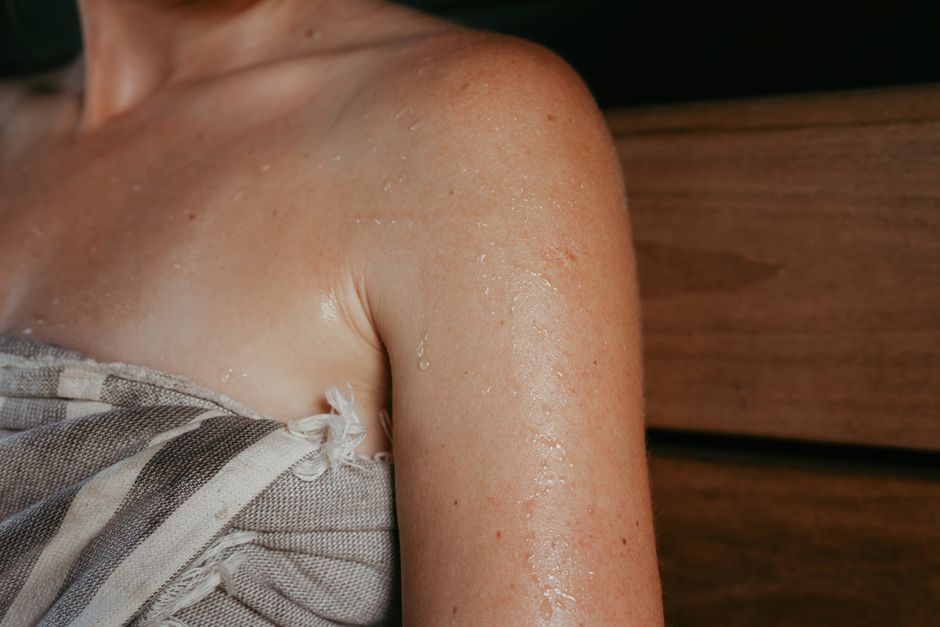
Sweat rash, also known as heat rash or miliaria, happens when sweat ducts get blocked and trap sweat under the skin. The short answer to whether it can spread is no—sweat rash itself is not contagious and cannot spread from one person to another. However, it can appear to spread across your own body as new blocked ducts develop in different areas. Understanding the difference between spreading on your own skin and spreading to others is key to treating it correctly.
What Exactly Causes Sweat Rash?
Sweat rash forms when your sweat ducts become blocked. Your body produces sweat to cool down, but if the duct opening is clogged with dead skin cells, bacteria, or debris, the sweat gets trapped beneath the surface. This causes small bumps, itching, and redness.
Heat and humidity are the main triggers. When you sweat heavily, especially in hot weather or during exercise, your risk increases. Tight clothing that traps moisture against the skin also contributes. So does wearing heavy creams or lotions that can block duct openings.
The rash typically appears in areas where sweat collects: the neck, chest, back, groin, and under the breasts or armpits. In infants, it often shows up in skin folds. The condition is common in newborns because their sweat ducts are still developing.
Can Sweat Rash Spread to Other People?
No. Sweat rash is not infectious. You cannot catch it from someone else, and you cannot pass it to another person through touch, shared towels, or close contact.
This is a common misconception. Many people assume any rash that spreads must be contagious. But heat rash is a physical blockage problem, not an infection. There is no virus, bacteria, or fungus causing the rash itself. That distinction matters because it changes how you handle the condition.
If a rash is contagious, you need to avoid contact and sanitize surfaces. With sweat rash, none of that is necessary. You can safely hug, share a bed, or use the same towel as someone with heat rash without any risk of developing it yourself.
Why Does It Look Like It Is Spreading?
Although sweat rash cannot spread to others, it can appear to spread across your own body. This happens because the conditions that caused the first blocked ducts are still present. If you remain hot and sweaty, new ducts can become blocked in nearby areas or even in completely different parts of your body.
What looks like spreading is often just new patches forming. The original rash may also become more inflamed over time, making it look larger than it was initially. Scratching can worsen the irritation and cause the area to appear more widespread, even though the underlying cause remains the same.
Another reason for apparent spreading is secondary infection. When you scratch heat rash, you can break the skin. Bacteria can then enter those breaks and cause an infection. This infected rash can look different and more aggressive than the original sweat rash. It may spread more noticeably and require different treatment.





How Is Sweat Rash Different From Other Rashes?
Several other skin conditions can look similar to sweat rash. Knowing the difference helps you treat the right problem.
Contact dermatitis occurs when your skin touches something it is allergic to or irritated by, such as poison ivy, nickel, or certain fabrics. This rash is also not contagious, but it requires identifying and avoiding the trigger.
Fungal infections like ringworm or jock itch can resemble heat rash. Unlike sweat rash, these are contagious and can spread between people through direct contact or shared items. Fungal rashes often have a distinct ring shape or a scaly border.
Viral rashes from illnesses like measles or chickenpox can also start with small red bumps. These are contagious and usually accompanied by other symptoms like fever, fatigue, or cough.
If you are unsure what type of rash you have, consider the context. Did it appear after sweating heavily in hot weather? Does it improve when you cool down? These are strong signs of heat rash. If you have a fever, the rash is painful rather than itchy, or it shows no improvement after a few days of cooling measures, see a healthcare provider.
What Is the Best Way to Treat Sweat Rash?
The primary treatment for sweat rash is simple: cool down and dry off. Move to a cooler environment, remove tight clothing, and let your skin breathe. Taking a cool shower or applying a cold compress can relieve itching and help the rash resolve faster.
Keep the affected areas dry. Loose, breathable clothing made of cotton or moisture-wicking fabrics helps prevent further blockage. Avoid heavy ointments or thick creams that could clog ducts further. Light, water-based lotions are generally safer if you need moisturizer.
Over-the-counter hydrocortisone cream can reduce itching and inflammation for mild cases. Calamine lotion is another option that provides soothing relief. Antihistamines taken by mouth may help if the itching interferes with sleep.
Most sweat rash clears up on its own within a few days once you remove the heat and humidity triggers. If it persists longer than a week or worsens despite cooling measures, consult a doctor. You may need a stronger prescription treatment, or the rash may actually be something else entirely.
When Should You See a Doctor?
Most heat rash cases are harmless and resolve without medical care. But certain signs warrant professional attention.
Seek medical advice if the rash becomes painful rather than just itchy. Pain can indicate a secondary bacterial infection. Pus or fluid draining from the bumps is another warning sign. So is significant swelling or warmth in the affected area.
A fever alongside a rash always requires medical evaluation. This combination can indicate an infection or another underlying illness that needs treatment. If the rash covers a large portion of your body or spreads rapidly despite cooling measures, a doctor should examine it.
For infants, check with a pediatrician if the rash does not improve within a few days or if your baby seems unusually fussy or uncomfortable. Babies cannot tell you how they feel, so it is better to be cautious.
How Can You Prevent Sweat Rash From Happening?
Prevention focuses on keeping your skin cool and dry. In hot weather, stay in air-conditioned spaces when possible. If you must be outside, take breaks in the shade and avoid the hottest part of the day.
Wear loose clothing made from breathable fabrics. Cotton allows air to circulate and absorbs moisture. Synthetic moisture-wicking materials are also effective, especially for exercise. Avoid tight synthetic fabrics that trap heat and sweat against your skin.
Shower after heavy sweating and pat your skin dry gently. Rubbing can irritate the skin and increase the risk of duct blockage. Pay attention to skin folds where sweat collects, and make sure those areas are fully dry before dressing.
Choose skincare products carefully in hot weather. Heavy oils, thick sunscreens, and rich moisturizers can contribute to blocked ducts. Look for non-comedogenic products, which are designed not to clog pores, and apply them sparingly.
Frequently Asked Questions
Can sweat rash spread to other parts of my body?
Yes, sweat rash can appear on new areas of your body if you continue to sweat and the conditions that caused the blockage remain. This is not the rash itself moving, but new blocked ducts forming.
Is sweat rash contagious through touching?
No, sweat rash is not contagious and cannot be passed to another person through any form of contact. It is a physical blockage of sweat ducts, not an infection.
How long does sweat rash take to go away?
Mild sweat rash typically clears within a few days once you cool down and keep the affected areas dry. If it lasts longer than a week or worsens, see a healthcare provider.
Can sweat rash turn into a fungal infection?
Sweat rash itself does not turn into a fungal infection, but scratching can break the skin and allow bacteria to enter. Fungal infections are a separate condition that may require different treatment.
