
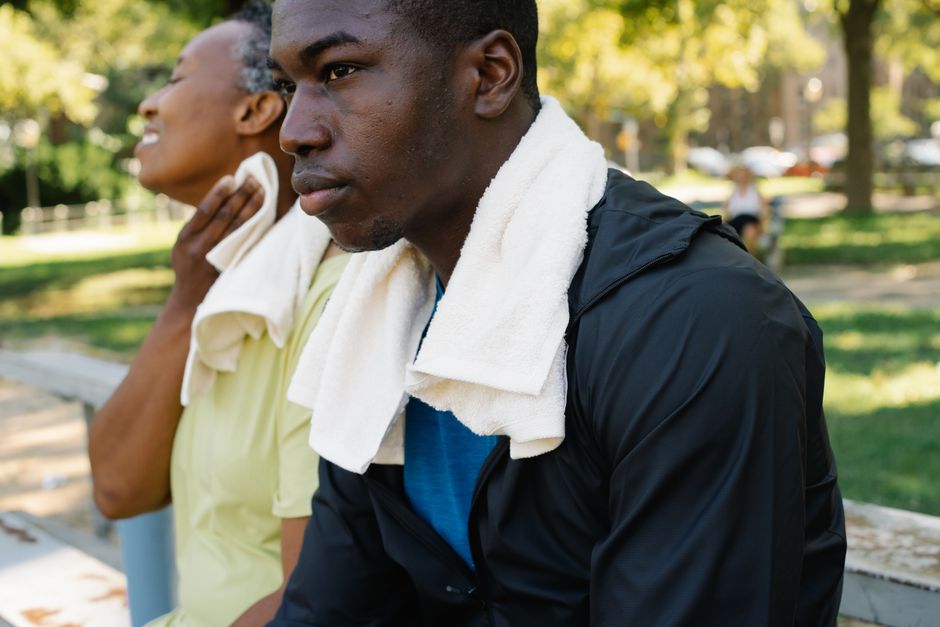
Sweat itself does not directly cause pimples, but the way sweat interacts with your skin can definitely lead to breakouts. The issue is rarely the sweat alone; it is the combination of sweat, heat, friction, and the bacteria and oils already on your skin. When sweat sits on the skin and mixes with dead skin cells and sebum, it can clog pores and trigger acne, especially if you do not wash it off promptly.
What Actually Happens to Your Skin When You Sweat
Sweating is a natural and healthy process. Your body uses sweat to regulate temperature. Sweat is mostly water, but it also contains salt, minerals, and a small amount of urea and lactic acid.
The problem starts when sweat does not evaporate quickly. When it lingers on the skin, it creates a moist environment. This moisture can soften the outer layer of your skin, making it easier for irritants to penetrate. It also causes the skin to swell slightly, which can narrow the opening of your pores.
Narrowed pores are more likely to trap oil and dead skin cells. That trapped material is what forms a plug. If that plug becomes infected with acne bacteria, you get a pimple.
Can Sweat Make You Break Out More Than Other Causes?
For many people, sweat is a significant trigger, but it is rarely the only cause. Acne is a complex condition driven primarily by hormones, genetics, and the amount of oil your skin produces. Sweat acts as an aggravator rather than the root cause.
Think of it this way: if you are prone to acne, sweat can make it worse. If you rarely get breakouts, sweat alone is unlikely to cause a sudden outbreak of severe acne. The exception is a specific condition called sweat acne, which is technically a form of folliculitis rather than true acne.
Sweat acne occurs when the hair follicles become inflamed due to trapped sweat and bacteria. It looks similar to acne but is treated differently. This distinction matters because using typical acne treatments on sweat acne can sometimes make the irritation worse.
Why Exercise and Hot Weather Increase Breakout Risk
Exercise and hot weather both increase sweat production. They also add friction. Friction from a headband, a sports bra strap, or a helmet can irritate the skin. When friction combines with sweat, the risk of clogged pores rises substantially.
This is why acne from sweating often appears in specific patterns. You might see breakouts along your hairline from a sweatband, or on your back where a sports bra rubs. The location of the breakout is often a clue that sweat and friction are involved.
Hot, humid weather makes this worse. High humidity prevents sweat from evaporating. The longer sweat stays on your skin, the more time it has to mix with oil and block pores. Some research suggests that high humidity alone can increase the rate of acne breakouts, even without vigorous exercise.


Is There a Difference Between Sweat and Sebum?
Yes, and understanding the difference helps clarify why sweat is not the direct culprit. Sebum is the oily substance your sebaceous glands produce. It is designed to lubricate and protect the skin. Sweat comes from entirely different glands called eccrine glands.
Acne forms when sebum, dead skin cells, and bacteria combine inside a pore. Sweat does not cause the pore to fill with oil. But sweat can change the environment at the skin’s surface in ways that make it easier for sebum to get trapped.
When sweat mixes with sebum on the surface of your skin, the mixture becomes more viscous and sticky. This sticky mixture is more likely to adhere to the pore opening. Over time, this creates a plug. So while sweat is not the oil itself, it can make the oil behave differently.
How to Prevent Sweat-Related Breakouts
You do not need to stop exercising or avoid the outdoors to protect your skin. A few practical habits can make a significant difference.
- Wash your face promptly after sweating. The longer sweat sits on your skin, the more likely it is to cause problems. Try to wash within 15 to 30 minutes after finishing your workout.
- Use a gentle cleanser. Harsh scrubs can irritate skin that is already sensitive from heat and sweat. Look for a mild, non-comedogenic cleanser that removes sweat and oil without stripping the skin.
- Skip the hot shower. Hot water can further irritate already stressed skin. A lukewarm shower is gentler and still removes sweat effectively.
- Change out of sweaty clothes quickly. This is especially important for workout clothes. Fabric that stays wet against your skin increases friction and moisture buildup.
- Shower after you exercise, not before. Showering before a workout removes the natural oils that protect your skin. Sweating on freshly cleansed, stripped skin can increase irritation.
If you cannot wash your face immediately after sweating, use a gentle cleansing wipe or rinse with plain water. This is not as effective as a full wash, but it removes the surface layer of sweat before it has time to settle into pores.
Should You Use Acne Treatments Before or After Exercise?
The timing of your skincare routine matters. Applying heavy creams or acne medications right before a workout can trap sweat against the skin. This can increase the risk of clogged pores and irritation.
If you use prescription acne treatments like benzoyl peroxide or retinoids, the general guidance is to apply them after cleansing, not before exercise. Applying these treatments before you sweat may increase skin sensitivity and irritation.
For moisturizers, use a lightweight, oil-free formula before exercise if your skin feels tight. But if you are exercising indoors or in a controlled environment, you may not need moisturizer before a workout at all. The key is to avoid heavy layers that mix with sweat.
When Sweat Breakouts Are Actually a Skin Condition
Not every bump that appears after sweating is acne. Miliaria, commonly known as heat rash, occurs when sweat ducts become blocked. It appears as small red bumps or blisters and is most common in hot, humid conditions.
Heat rash is different from acne because it is caused by blocked sweat ducts, not blocked oil glands. It typically resolves on its own when the skin cools down. Treatment focuses on keeping the skin dry and cool rather than using acne medications.
Another condition to consider is folliculitis. This is an inflammation of the hair follicles, often caused by bacteria or fungi. It can look very similar to acne but requires different treatment. If you see bumps with a visible hair in the center, or if your “acne” does not respond to standard acne treatments, folliculitis may be the cause.
If you are unsure what is causing your breakouts, a dermatologist can examine your skin and provide an accurate diagnosis. This is particularly important if over-the-counter acne treatments are not working.
Can Antiperspirants Cause Breakouts?
Antiperspirants are designed to block sweat ducts and reduce sweating. They are commonly used on the underarms, but some people use them on other areas to reduce sweating. The concern is that blocking sweat ducts could theoretically cause trapped sweat and irritation.
On the face, antiperspirants are not recommended. The skin on the face is more sensitive, and the ingredients in antiperspirants can cause irritation or contact dermatitis. If you sweat heavily on your face during exercise, using a gentle cleanser afterward is a safer approach than trying to block facial sweat.
For the body, antiperspirants are generally safe when used as directed. If you notice bumps or irritation in the areas where you apply them, discontinue use and consult a dermatologist.
Does Showering Right After Exercise Always Prevent Breakouts?
Showering promptly after exercise is one of the most effective ways to prevent sweat-related breakouts. However, it is not a guarantee. Some people are simply more prone to acne than others, and genetics play a significant role.
Even with perfect post-workout hygiene, you may still experience breakouts if your hormones or genetics predispose you to acne. The goal of showering after exercise is to reduce the risk, not eliminate it entirely.
If you consistently break out after exercise despite good hygiene, consider other factors. Your workout clothes may be too tight. Your laundry detergent may be irritating your skin. Or you may be using a skincare product that clogs your pores. These factors can be just as important as sweat itself.
Frequently Asked Questions
Can sweat cause acne on your back and chest?
Yes, sweat can contribute to back and chest breakouts, especially when combined with tight clothing and friction. Washing promptly after exercise and changing out of sweaty clothes reduces this risk.
Should you wash your face immediately after sweating?
Yes, washing your face within 15 to 30 minutes after sweating is recommended. This removes sweat and oil before they have time to clog pores.
Is sweat acne the same as regular acne?
No, sweat acne is usually a form of folliculitis, which is inflammation of the hair follicles. It looks similar to acne but may require different treatment.
Can wiping sweat off your face cause more breakouts?
Rubbing your face with a towel can cause friction that irritates the skin and pushes sweat and oil deeper into pores. Gently patting the skin dry is a better approach.
