
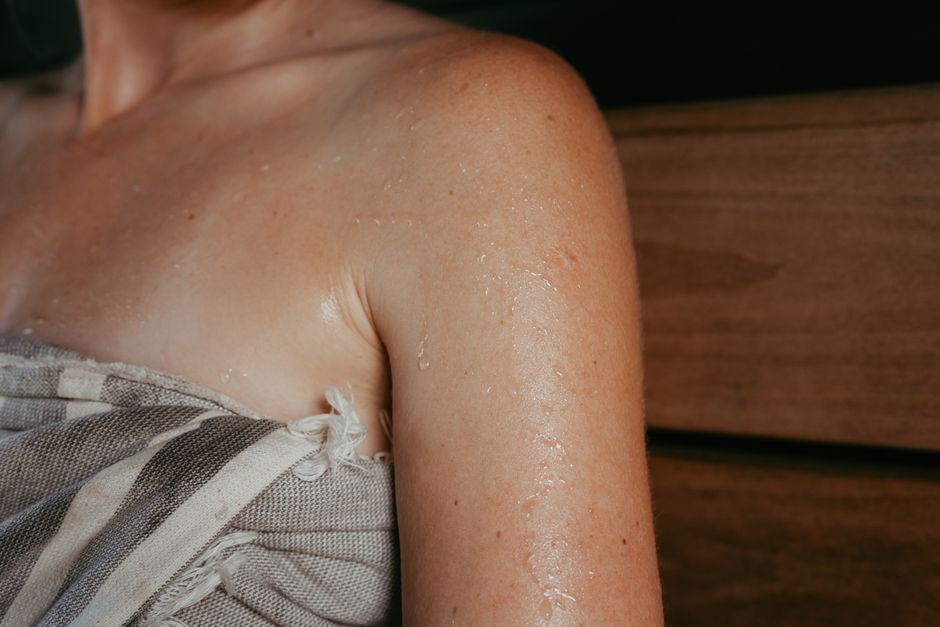
Sweating more than the people around you is frustrating, especially when it happens for no clear reason. For many women, heavy sweating is not just about being hot or working out. It often comes down to hormones, and the most common trigger is a drop in estrogen. When estrogen levels fall, your brain’s internal thermostat becomes more sensitive, and your body may sweat to cool down even when your actual temperature is normal. This is why many women notice a dramatic increase in sweating during perimenopause, menopause, and even around their monthly cycle.
Is It Normal To Sweat More Than Other Women?
Yes, heavy sweating can be completely normal, but “normal” has a wide range. Some people simply have more sweat glands that are more active. Others have a higher resting metabolic rate, which generates more body heat. Body size and fitness level also matter. A larger body produces more heat, and a well-conditioned body starts sweating earlier to cool itself efficiently.
If you have always sweated heavily during exercise or in warm weather, that is likely just your biology. The problem is when sweating becomes unpredictable, happens without a trigger, or interferes with your daily life. That is when it crosses the line from normal variation into a condition worth understanding.
Why Do You Sweat So Much As A Female?
The most common reason women sweat excessively is hormonal fluctuation. Estrogen affects the hypothalamus, the part of the brain that regulates body temperature. When estrogen drops, the hypothalamus may mistakenly think the body is overheating. It then sends signals to sweat glands to produce sweat and to blood vessels to dilate, which is the hot flash mechanism.
This is most pronounced during perimenopause, the years leading up to your final period. During this time, estrogen levels swing unpredictably. One day they may be high, the next day very low. Each sharp drop can trigger a sweating episode. After menopause, when estrogen stays consistently low, many women find their hot flashes and night sweats gradually improve, though some continue for years.
Hormonal shifts are not the only cause. Thyroid disorders, particularly an overactive thyroid, can raise your metabolic rate and cause constant sweating. Blood sugar swings, especially drops after a high-carbohydrate meal, can also trigger sweating. Anxiety and stress activate the same fight-or-flight pathways that cause sweating, and some women are simply more reactive to stress than others.
Why Do I Sweat So Much At Night?
Night sweats are a specific form of heavy sweating that happens while you sleep. They are so common in women approaching menopause that they are considered a hallmark symptom. The same estrogen drops that cause daytime hot flashes can intensify at night because your core body temperature naturally dips during sleep. The drop in estrogen makes your body more sensitive to this normal nighttime cooling, and it overreacts by sweating.
Heavy bedding, a warm bedroom, or synthetic pajamas that trap heat can make night sweats worse. But if you wake up drenched regularly, do not assume it is only your environment. Some medications, including certain antidepressants and diabetes medications, list night sweats as a side effect. Infections, particularly tuberculosis, can cause night sweats, though this is rare in otherwise healthy women. Lymphoma is another rare but serious cause. If your night sweats are severe, persistent, or accompanied by unexplained weight loss or fever, see a doctor.





What Medical Conditions Cause Excessive Sweating?
When heavy sweating happens without any clear trigger like heat or exercise, doctors call it hyperhidrosis. This condition affects about 3% of people and is not always related to hormones. Primary hyperhidrosis usually begins in childhood or adolescence and typically affects specific areas like the palms, soles, underarms, or face. It is believed to be caused by overactive sympathetic nerves, not by a medical disease.
Secondary hyperhidrosis is sweating caused by an underlying condition. The list includes:
- Menopause and perimenopause
- Overactive thyroid (hyperthyroidism)
- Diabetes, especially with low blood sugar episodes
- Infections that cause fever
- Certain cancers, including lymphoma
- Neurological conditions
- Some medications, including certain blood pressure drugs and antidepressants
If your sweating started suddenly in adulthood and affects your whole body, it is more likely to be secondary hyperhidrosis. This deserves a medical evaluation rather than self-treatment.
How Much Sweating Is Too Much?
There is no single number that defines excessive sweating. Doctors look for patterns rather than quantities. You may have hyperhidrosis if you experience any of the following:
- Sweating that happens without heat, exercise, or emotional stress
- Sweating that soaks through your clothing
- Sweating that interferes with work, social life, or daily activities
- Sweating that occurs at least once a week
- Sweating that started in childhood, especially on your palms or feet
- Night sweats that regularly wake you up
If you check several of these boxes, it is reasonable to bring it up with your doctor. Heavy sweating is not just a nuisance. It can lead to dehydration, skin irritation, and social withdrawal. It is also a symptom worth investigating because it may point to a treatable underlying condition.
What Actually Helps Reduce Heavy Sweating?
Treatment depends on the cause and the severity. For hormonal sweating around menopause, the most effective options are hormone therapy. Estrogen therapy is proven to reduce hot flashes and night sweats significantly. It is not right for everyone, and it carries some risks, so the decision should be made with your doctor based on your personal health history.
For hyperhidrosis that is not hormonal, the first step is usually a clinical-strength antiperspirant containing aluminum chloride. These are available over the counter and by prescription. They work by plugging the sweat ducts, and they are applied at night when sweat glands are less active. Many women find them highly effective for underarm sweating, though they can irritate the skin.
Other options include prescription medications called anticholinergics, which reduce sweating throughout the body. They work well but can cause dry mouth, blurred vision, and constipation. Iontophoresis uses a mild electrical current passed through water to reduce sweating on the hands and feet. Botox injections block the chemical signals that activate sweat glands and are FDA-approved for underarm sweating. They are effective but require repeat treatments every few months.
Lifestyle changes help too. Caffeine and spicy foods trigger sweating in many people, so reducing them can make a difference. Wearing loose, breathable fabrics like cotton or moisture-wicking materials helps sweat evaporate faster. Keeping your bedroom cool and using layered bedding reduces night sweats. Managing stress through exercise or meditation can lower your baseline sweating, though it will not stop hormonal sweats entirely.
When Should I See A Doctor About Sweating?
You should see a doctor if your sweating changes suddenly, if it happens without any trigger, or if it disrupts your sleep or daily life. Also seek medical advice if you have other symptoms like unintentional weight loss, fever, chest pain, or shortness of breath along with the sweating. These could point to a more serious condition.
If your sweating is limited to hot flashes and night sweats and you are in your late 40s or 50s, it is very likely perimenopause. That is still worth discussing with your doctor, not because it is dangerous, but because effective treatments exist. You do not have to just live with soaked sheets and damp clothing.
Frequently Asked Questions
Why do I sweat so much even when I am not hot?
This is usually hormonal, especially if you are in perimenopause or menopause. Estrogen drops make your brain’s temperature center overreact and trigger sweating even when your body is not overheated.
Can thyroid problems cause excessive sweating in women?
Yes, an overactive thyroid raises your metabolism and body heat, which causes sweating. A simple blood test can check your thyroid hormone levels.
What is the difference between hot flashes and regular sweating?
Hot flashes are sudden waves of heat often followed by sweating and sometimes a red flush on the chest and face. Regular sweating is a normal cooling response to heat or exercise, while hot flashes happen without a clear temperature trigger.
Are prescription antiperspirants safe for daily use?
Yes, when used as directed, prescription antiperspirants are safe for most people. They can cause skin irritation, so start with a lower strength and apply them only at night on completely dry skin.
