
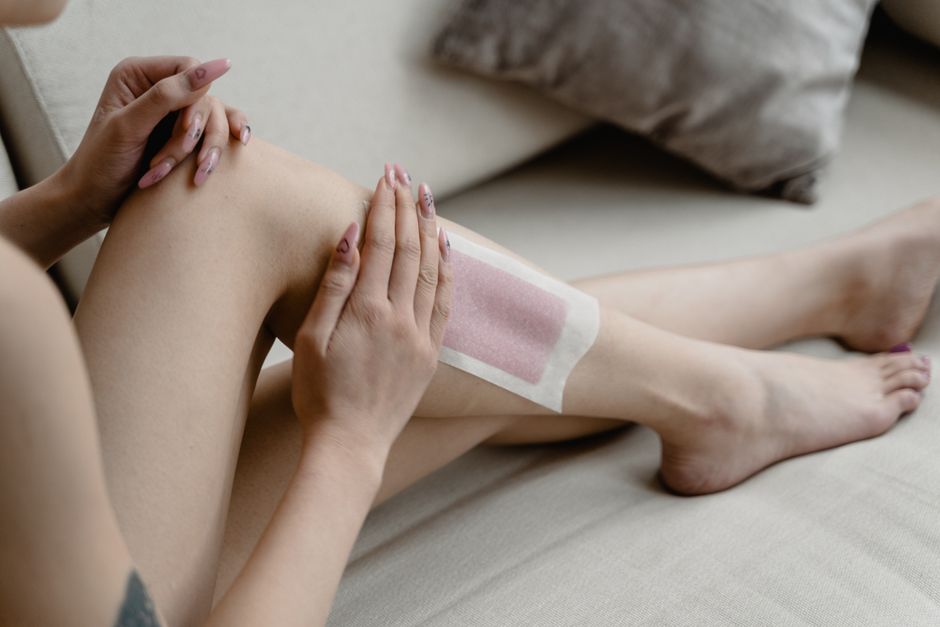
Yes, you can use lidocaine before waxing, and it is a common practice for people who find waxing painful. Lidocaine is a local anesthetic that temporarily numbs the skin by blocking pain signals. It is available over the counter in low concentrations and by prescription in higher ones. How well it works depends on the product, how you apply it, and how long you leave it on.
What Is Lidocaine and How Does It Numb the Skin?
Lidocaine is a local anesthetic. It works by blocking sodium channels in nerve endings. When those channels are blocked, the nerve cannot send a pain signal to the brain. The result is temporary numbness in the area where it is applied.
This is why lidocaine is used for minor procedures, needle sticks, and skin conditions that cause itching or pain. It is also why some people reach for it before waxing. The pulling of hair from the follicle triggers pain receptors in the skin. If those receptors are numbed, the sensation is reduced.
The numbness is temporary. For most over-the-counter products, it lasts somewhere between 20 and 45 minutes after application, though this varies by product and person. Prescription-strength products may last longer. Lidocaine does not stop the hair from being pulled, and it does not change how well the wax works. It only changes how much you feel.
Can I Use Lidocaine Before Waxing What To Know About the Evidence?
The evidence that lidocaine reduces pain from waxing is indirect. No large clinical trials have specifically tested lidocaine before waxing. That said, lidocaine is well established as an effective topical anesthetic for other skin procedures, including laser hair removal and injections.
Some clinicians and dermatologists suggest topical anesthetics can help with waxing discomfort. This is based on how the drug works and on its use in similar procedures. It is not based on waxing-specific trials. The evidence is limited, but the biological reasoning is sound.
What this means in plain terms: lidocaine will likely reduce the pain of waxing for many people. It will not eliminate it. It will not make the process faster or easier. And it will not work the same way for everyone.
What Forms of Lidocaine Can You Use Before Waxing?
Lidocaine comes in several forms. Not all are suited for use before waxing.
- Creams and lotions: The most common form for skin numbing. Over-the-counter versions typically contain 4% lidocaine. Prescription versions can be higher.
- Gels: Absorb quickly and may feel less greasy. Often used for procedures.
- Sprays: Convenient but harder to apply evenly. May not numb as deeply.
- Patches: Designed for specific areas. Not practical for large or curved body parts.
For waxing, a cream or gel is usually the most practical. It stays in place and can be spread over the area being waxed. Sprays are less reliable because coverage is uneven.
Over-the-counter lidocaine products in the US are limited to 4% for most uses. Higher concentrations require a prescription. This matters because a 4% cream may not numb as deeply as a 5% or higher prescription product.





How Should You Apply Lidocaine Before Waxing?
Application matters as much as the product. If you apply it wrong, it may not work well.
Start with clean, dry skin. Oils, lotions, or sweat can create a barrier that stops lidocaine from absorbing. Wash the area and pat it dry.
Apply a thin, even layer. You do not need a thick coating. More is not better and can increase the risk of side effects. Rub it in gently if the product directions say to. Some products work better if you cover them with plastic wrap, but this increases absorption and the risk of side effects. Only do this if the product label says it is safe.
Wait. This is the step most people rush. Over-the-counter lidocaine needs time to work. The label usually says to wait at least 20 to 30 minutes. Some products say up to 60 minutes. Do not apply and wax immediately. The numbness will not have set in.
Do not leave it on longer than the label says. More time does not mean more numbness. It means more risk.
Wipe off any excess before waxing. The wax needs to grip the hair, not a layer of cream. Some waxes do not adhere well to skin that still has product on it.
What Are the Risks and Side Effects of Lidocaine?
Lidocaine is generally well tolerated when used as directed on intact skin. Most people feel nothing beyond the numbness. Some experience mild redness, itching, or a rash where it was applied.
More serious side effects are rare but possible. They are more likely when you use too much, leave it on too long, or cover it with plastic wrap. These include:
- Dizziness or lightheadedness
- Blurred vision
- Confusion
- Ringing in the ears
- Muscle twitching
- Irregular heartbeat
These are signs of lidocaine absorbing into the bloodstream in amounts that affect the whole body. If any of these occur, stop using the product and seek medical attention.
Do not use lidocaine on broken skin, open wounds, or rashes. Do not use it inside the nose, mouth, or other mucous membranes unless a doctor tells you to. Do not use it on large areas of the body without medical guidance. The more skin you cover, the more drug gets absorbed.
Some people are allergic to lidocaine or to other ingredients in the product. If you have had a reaction to lidocaine or other “caine” anesthetics, do not use it.
Who Should Not Use Lidocaine Before Waxing?
Lidocaine is not right for everyone. Talk to a doctor before using it if you:
- Are pregnant or breastfeeding
- Have liver disease
- Have heart disease or an irregular heartbeat
- Take medications for heart rhythm problems
- Take other medications that contain lidocaine
- Have a history of allergic reaction to anesthetics
No clinical guidelines currently exist for using lidocaine before waxing in pregnant women or children. If you are in either group, ask a doctor before using it.
Children have thinner skin and may absorb lidocaine more easily. Over-the-counter lidocaine products are not recommended for children under 2 years old. For older children, ask a pediatrician.
Are There Alternatives to Lidocaine for Waxing Pain?
Lidocaine is not the only option. Some people find other approaches work well enough without the risks or the wait.
Taking an over-the-counter pain reliever about 30 to 60 minutes before waxing is a common approach. The evidence for this specifically for waxing is limited, but it is widely used for mild procedural pain. Ibuprofen or acetaminophen are the usual choices. Follow the label directions.
Cold compresses before waxing can temporarily numb the area. The effect is short-lived and not as deep as lidocaine, but it has no drug side effects.
Hard wax is often reported to be less painful than soft wax. It shrinks around the hair as it cools and is removed without a strip. This is a technique difference, not a drug, but it may reduce pain for some people.
Taking breaks during a long wax session can help. So can going to an experienced esthetician who works quickly and confidently. Speed matters because slower removal means more discomfort.
Some people find that regular waxing reduces pain over time. The hair becomes finer and the follicles may become less sensitive. This is not guaranteed and varies by person.
Does Lidocaine Interfere With Waxing Results?
Lidocaine does not change how waxing works. It does not affect the hair, the follicle, or the wax. It only numbs the skin.
One practical issue: leftover cream or gel can make the skin slippery. If the wax does not grip the hair properly, you may need a second pass. That can cause more irritation, not less. Wipe off the lidocaine thoroughly before waxing starts.
Lidocaine can also make it harder to feel if something is going wrong. If the wax is too hot, you might not notice as quickly. If the esthetician pulls too hard, you might not feel it until later. Stay aware of what is happening even if the area is numb.
What Should You Tell Your Esthetician?
Tell your esthetician if you have applied lidocaine. This matters for a few reasons.
First, it helps them understand why the skin might look or feel different. Second, it helps them adjust their technique if the skin is slippery. Third, if you have a reaction during the appointment, they need to know what you used.
If you are getting a wax for the first time, consider trying a small area first. This lets you see how your skin reacts to both the wax and the lidocaine. It also gives you a sense of how much pain relief you actually get.
Lidocaine is not a substitute for good waxing technique. A skilled esthetician using the right wax for your hair type will cause less pain than a poor technique with numbing cream. The drug helps, but it is not the whole picture.
Frequently Asked Questions
How long before waxing should I apply lidocaine?
Apply it at least 20 to 30 minutes before your appointment, or as directed on the product label. Some products recommend waiting up to 60 minutes for full effect.
Can I use lidocaine cream on my bikini area before waxing?
Yes, lidocaine cream can be used on the bikini area if the skin is intact. Do not use it on broken skin or mucous membranes, and follow the label directions for how long to leave it on.
Does lidocaine make waxing completely painless?
No. Lidocaine reduces pain but does not eliminate it. The pulling sensation and some discomfort are still likely, especially in sensitive areas.
What happens if I leave lidocaine on too long?
Leaving it on longer than directed increases the risk of side effects like dizziness, blurred vision, or irregular heartbeat. Wash it off and seek medical attention if you feel unwell.
