
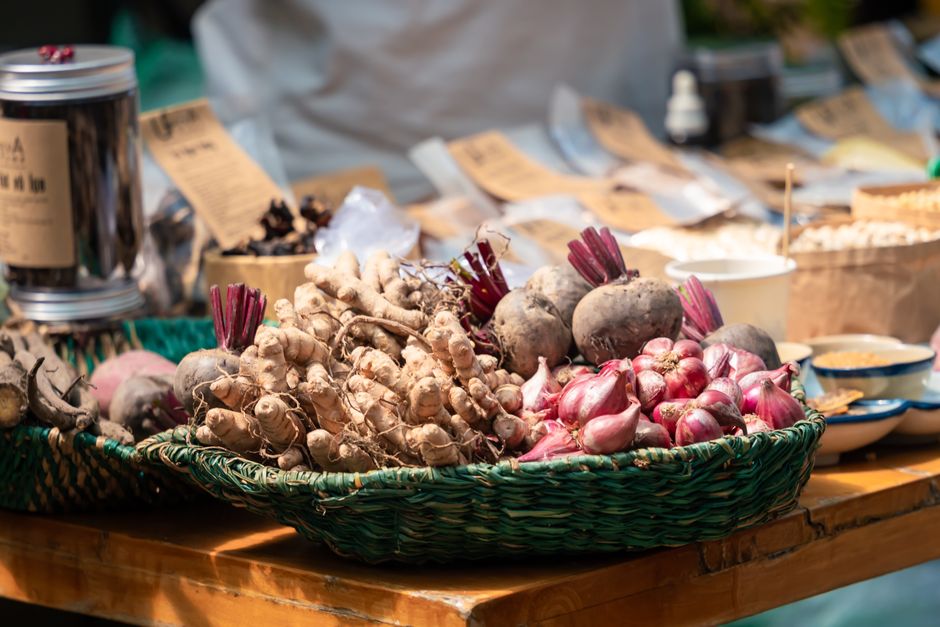
Yes, beetroot can make your poop red. For many people, eating beets or drinking beet juice turns stool a reddish or pinkish color. This is not blood. It is a harmless condition called beeturia. The red pigment in beets, called betanin, passes through your digestive system and colors your waste. Not everyone experiences this. Some people metabolize betanin differently. But if you eat beets and see red in the toilet, it is usually normal.
What Causes Red Stool After Eating Beetroot?
The red color comes from betalain pigments, specifically betanin. Beets are one of the few foods rich in these pigments. Your body breaks down some of the betanin during digestion. But a portion stays intact and exits through your stool or urine.
How much color you see depends on several factors. The amount of beets you ate matters. So does your individual digestion speed. People with faster digestion tend to see more red because less betanin gets broken down. Stomach acid levels also play a role. Lower stomach acid means more pigment survives into the intestines.
Beeturia, the medical term for this, is not dangerous. Research published in the journal Clinical Chemistry described it as a harmless metabolic quirk. The color can range from bright red to deep maroon. Sometimes it looks like streaks. Other times it colors the entire stool.
Will Beetroot Make Your Poop Red Every Time?
No. Not everyone gets red stool from beets. Studies suggest that about 10 to 14 percent of people experience beeturia. The percentage may be higher in people with iron deficiency. Some research indicates that low iron levels increase betanin absorption in the gut.
Even if you are someone who gets beeturia, it does not happen every time. The amount of beets you eat matters. A small serving of cooked beets might not trigger it. A large glass of concentrated beet juice probably will. Preparation also affects pigment content. Raw beets have more betanin than cooked ones. Boiling beets can leach some pigment into the water.
Your gut bacteria also influence color. Some bacteria break down betanin faster than others. This is why two people eating the same meal can have very different results.
Red Poop or Blood in Stool: How to Tell the Difference
This is the most important question. Red stool from beets looks different from blood in most cases. Beet red is often a uniform pinkish-red. Blood is usually darker, more like maroon or black. Blood can also appear as streaks or spots on the stool surface.
Here is a quick comparison to help you tell them apart:
| Feature | Beetroot Red | Blood in Stool |
|---|---|---|
| Color | Bright red to pink | Dark red, maroon, or black |
| Consistency | Evenly distributed | Streaks, clots, or mixed |
| Timing | Within 12-24 hours of eating beets | No link to beet consumption |
| Other symptoms | None | Pain, cramping, weight loss, fatigue |
| Urine effect | May also be pink (beeturia) | Usually normal |
The CDC advises that any unexplained rectal bleeding should be checked by a doctor. If you have not eaten beets recently and see red, see a healthcare provider. If you have other symptoms like abdominal pain, weight loss, or changes in bowel habits, do not assume it is beets.





How Long Does Red Stool Last After Eating Beets?
Red stool from beets usually appears within 12 to 24 hours after eating them. It typically lasts for one to two bowel movements. If you eat beets multiple days in a row, the color may persist until you stop.
Your digestive transit time affects this. People with slower digestion may see color for up to 48 hours. People with faster digestion may see it within a few hours. The pigment is not absorbed into your body. It simply passes through.
If red stool continues for more than two days after your last beet meal, it is probably not from beets. Stop eating beets and monitor. If the color does not go away, talk to your doctor.
Does Beeturia Mean Something Is Wrong With Your Digestion?
In most cases, no. Beeturia is a normal variation in how people process food. It is not a sign of disease. Some people just happen to absorb less betanin.
There is one exception worth noting. People with iron deficiency anemia may be more likely to experience beeturia. A 2001 study in the American Journal of Clinical Nutrition found that iron deficiency increases betanin absorption. If you consistently get red stool from small amounts of beets, it might be worth checking your iron levels. But this is not a diagnostic test. It is just a clue.
Some people also worry that beeturia signals a leaky gut or digestive damage. There is no evidence for this. Healthy people with normal digestion get beeturia. The condition has been documented for over a century. It is not a health problem.
What About Red Urine From Beets?
Beetroot can also turn urine pink or red. This is the same pigment, betanin, filtered by your kidneys. About 10 to 14 percent of people experience red urine after eating beets. The percentage overlaps with those who get red stool, but not exactly.
Red urine from beets is called beeturia just like red stool. It is harmless. The color usually appears within a few hours of eating beets and clears within 24 hours. If your urine stays red for longer, or if you have pain or burning when urinating, see a doctor.
One practical tip: if you are checking for blood in your stool or urine, avoid beets for a few days first. This removes the confusion. Many people panic unnecessarily when they see red. Knowing you ate beets saves that worry.
Common Misconceptions About Beetroot and Red Stool
There are several myths about beeturia that need clearing up. First, some people think red stool from beets means you are not digesting them properly. This is not true. Betanin is simply a pigment that resists breakdown. It is not a sign of poor digestion.
Second, some claim that only raw beets cause red stool. This is also false. Cooked beets, pickled beets, beet juice, and beet powder can all cause color changes. Cooking reduces betanin content but does not eliminate it.
Third, there is a belief that beeturia is dangerous. It is not. The American Academy of Family Physicians lists beeturia as a benign condition. No treatment is needed. You do not need to stop eating beets.
Fourth, some people think beetroot dye in stool means you are allergic. Allergy to beets is rare. Beeturia is not an allergic reaction. It is just a color change.
Frequently Asked Questions
How long after eating beets will my poop turn red?
Red stool usually appears within 12 to 24 hours after eating beets. It typically lasts for one or two bowel movements.
Can beetroot make my poop look like blood?
Yes, beet red can look similar to blood. But beet red is usually brighter and more uniform, while blood is darker and may have streaks or clots.
Is red poop from beets a sign of a health problem?
No, red poop from beets is harmless. It is called beeturia and occurs in about 10 to 14 percent of people.
Should I see a doctor if my poop is red after eating beets?
Only if you have not eaten beets recently, or if you have other symptoms like pain, weight loss, or bleeding. Otherwise, it is normal.
