
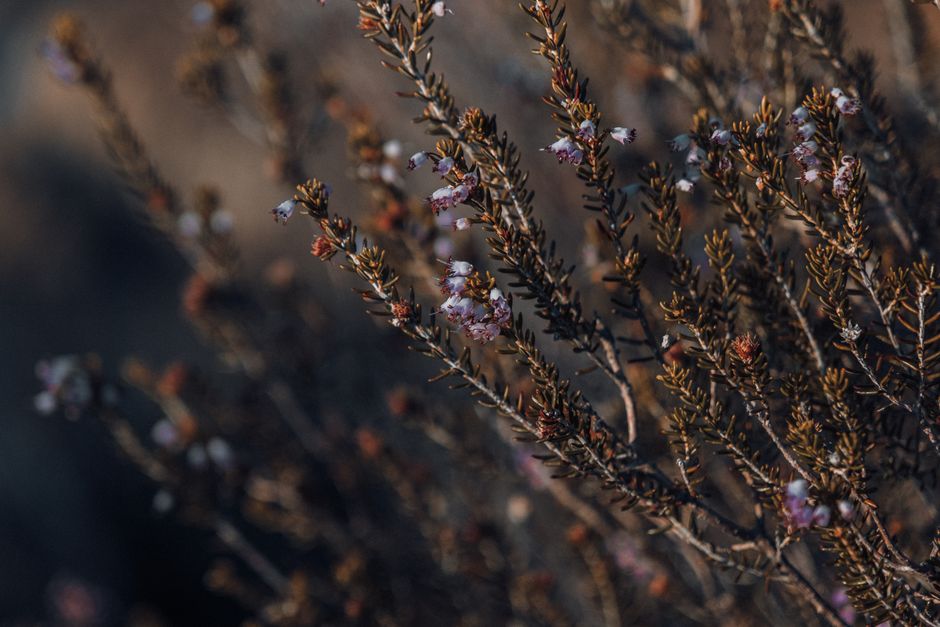
Growing a creosote bush from seed is a slow but rewarding process. The seeds need specific treatment to break their natural dormancy. You must soak them in boiling water first, then plant them in well-draining soil with warmth and patience. Even with the right steps, germination rates are low — around 30 percent is normal.
Why Is Growing Creosote Bush From Seed So Difficult?
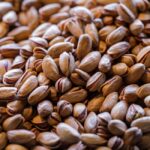
Creosote bush seeds have a hard outer shell. This shell protects the seed from harsh desert conditions but also stops water from getting in. Without water, the seed cannot sprout.
In the wild, seeds wait for heavy rains to soften this shell. A single storm may not be enough. Sometimes seeds sit for years before conditions are right. This is why gardeners must mimic that process at home.
The other challenge is the plant’s biology. Creosote bushes reproduce mostly by cloning. One bush can send out roots that grow into new bushes nearby. Seed reproduction is rare in nature. So the plant did not evolve to make germination easy for gardeners.
What Is the Correct Way To Prepare Creosote Bush Seeds?
Start by collecting or buying fresh seeds. Old seeds have even lower germination rates. If you collect them yourself, wait until the seed capsules are dry and brown on the plant.
Here is the most reliable method backed by desert horticulturists:
- Bring a pot of water to a full boil
- Remove the water from heat
- Drop the seeds into the hot water
- Let them soak until the water cools to room temperature — about 20 to 30 minutes
- Remove any seeds that float (they are likely empty)
This hot water soak softens the seed coat without damaging the embryo inside. Do not boil the seeds themselves. The heat from the water is enough.
Some sources suggest using sandpaper to scarify the seed coat. Research from the University of Arizona suggests hot water works better for creosote specifically. Sandpaper can damage the seed if you rub too hard.
What Soil and Container Work Best for Creosote Seeds?
Creosote bushes are native to the Sonoran and Mojave deserts. They need soil that drains fast. Standard potting soil holds too much water and will rot the seeds.
Use a mix of one part coarse sand and one part cactus potting mix. You can also use perlite instead of sand. The goal is a loose, gritty texture that water runs through quickly.
Containers should be at least 4 inches deep. Creosote seeds send down a long taproot quickly. Shallow containers stunt this root and kill the seedling. Use a tall nursery pot or a deep plastic cup with drainage holes.
Fill the container with your soil mix and dampen it slightly before planting. The soil should be moist, not wet. Press the seed about one-quarter inch deep and cover it lightly with soil.




How Much Light and Heat Does Creosote Germination Need?
Creosote seeds need warmth to germinate. The ideal soil temperature is between 75 and 85 degrees Fahrenheit. Below 65 degrees, germination slows dramatically or stops.
Place the container in a warm spot. A heat mat made for seedlings works well. A sunny windowsill can work if the room stays warm, but soil temperature matters more than air temperature.
Light is less important during germination. The seed does not need sunlight until it sprouts. Once you see the first leaves, move the container to bright, direct light. A south-facing window or grow light works best.
Do not let the soil dry out completely during germination. But do not keep it soggy either. Check moisture every two days. If the top quarter inch feels dry, mist it lightly with water.
How Long Does It Take for Creosote Seeds To Sprout?
Expect to wait three to six weeks for germination. Some seeds may sprout in two weeks. Others take two months. Patience is essential.
Do not assume the seed has failed if nothing shows after a month. Keep the soil warm and slightly moist. Many gardeners throw away pots too early.
Once the seedling appears, growth is slow. The first true leaves look like small green fans. The plant will stay small for several months while the taproot develops underground.
After about six months, the seedling may be only 2 to 3 inches tall. This is normal. Creosote bushes grow slowly above ground because they put energy into root growth first.
What Are Common Mistakes When Growing Creosote From Seed?
The biggest mistake is overwatering. Creosote is a desert plant. It evolved to survive drought, not wet soil. Too much water causes root rot and fungal diseases that kill seedlings quickly.
Let the soil dry out between waterings. A good rule is to water only when the top half inch of soil is dry. In a warm room, this may mean watering once every five to seven days.
Another mistake is planting seeds too deep. Creosote seeds are small. Planting them more than half an inch deep prevents them from reaching the surface. A quarter inch is enough.
Using regular garden soil is also a problem. Garden soil compacts in pots and holds too much moisture. It may also contain weed seeds or fungi that compete with your creosote seedling.
How To Transplant Creosote Seedlings Outdoors
Wait until the seedling is at least 6 months old and has several sets of true leaves. A younger plant may not survive the transplant shock.
Choose a spot with full sun and well-draining soil. Creosote bushes need at least 8 hours of direct sunlight daily. They tolerate poor, rocky soil as long as it drains well.
Dig a hole twice as wide as the root ball but no deeper. Place the seedling at the same depth it was in the pot. Backfill with native soil and water lightly.
Do not add fertilizer. Creosote bushes are adapted to low-nutrient desert soil. Fertilizer can burn the roots or cause weak, leggy growth.
Space multiple plants at least 6 feet apart. Mature creosote bushes can reach 6 to 10 feet wide. Crowding them leads to competition for water and stunted growth.
| Step | Details |
|---|---|
| Seed treatment | Soak in hot water (not boiling) for 20-30 minutes |
| Soil mix | 1 part coarse sand + 1 part cactus mix |
| Planting depth | 1/4 inch deep |
| Soil temperature | 75-85°F |
| Germination time | 3-6 weeks |
| Watering | When top 1/2 inch of soil is dry |
| Transplant age | Minimum 6 months old |
Does How To Grow A Creosote Bush From Seed Work for Beginners?
It can work, but beginners should expect failures. Low germination rates and slow growth test most gardeners. If you have never started seeds before, creosote is not the easiest choice.
Start with more seeds than you think you need. Plant 10 to 15 seeds at once. This gives you a better chance of getting at least two or three seedlings.
Some people report success using the baggy method. Place the prepared seeds in a damp paper towel inside a sealed plastic bag. Keep the bag in a warm place and check weekly. Once seeds sprout, move them to soil carefully. This method works but requires more handling.
If you live in a desert climate, you can also try direct sowing in fall. Plant seeds outdoors after the first rain. Let nature do the work. Success rates are lower this way, but some gardeners prefer the natural approach.
Frequently Asked Questions
Can I grow creosote bush from seed indoors?
Yes, but you need a warm spot with consistent temperatures above 75°F. A heat mat helps significantly.
How long do creosote bush seeds stay viable?
Seeds remain viable for about one year if stored in a cool, dry place. Fresh seeds have the best germination rates.
Do creosote bush seeds need cold stratification?
No. Creosote seeds need heat, not cold. Cold stratification will not help and may reduce germination.
Can I use regular potting soil for creosote seeds?
No. Regular potting soil holds too much water and causes rot. Use a sandy cactus mix instead.
