
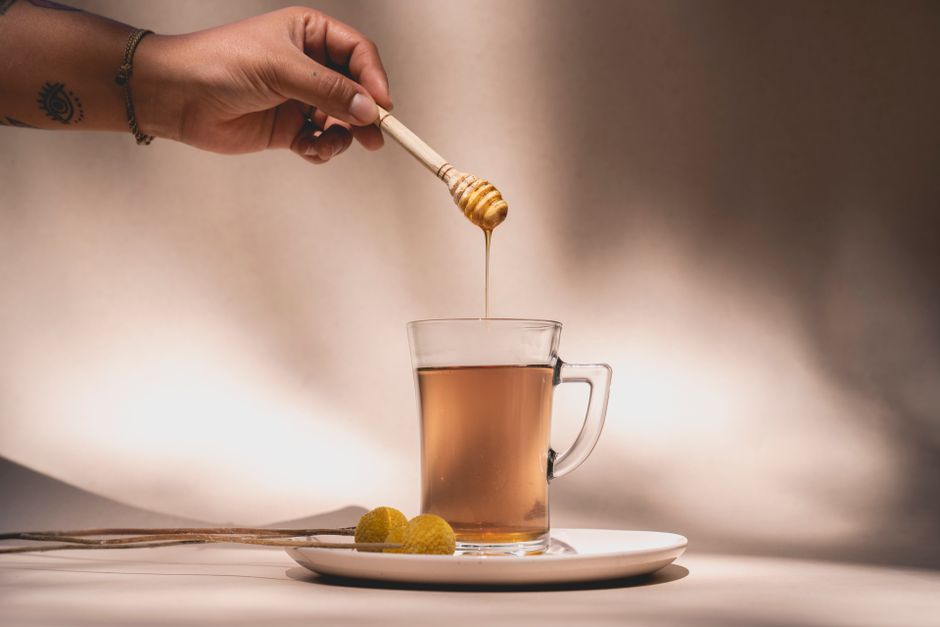
Yes, honey is generally safe to eat during pregnancy. The main concern with honey is infant botulism, but that risk applies to babies under one year old, not to pregnant adults. A healthy adult digestive system can handle the bacteria that sometimes lives in honey, so eating it while pregnant does not pose a botulism risk to you or your baby.
Why Is Honey Unsafe for Babies but Safe for Pregnant Women?
Honey can contain spores of a bacteria called Clostridium botulinum. These spores are not harmful to older children or adults because the mature digestive system prevents them from growing.
In infants under 12 months, the digestive tract is not developed enough to stop these spores from germinating. When the spores grow in a baby’s intestines, they produce a toxin that causes infant botulism, a serious illness. This is why pediatric guidelines consistently advise against giving honey to infants.
During pregnancy, your digestive system still functions like an adult’s. The spores pass through your system without growing, and the toxin does not reach your baby. The placenta does not receive botulism toxin from honey consumption because the toxin is not produced in your gut in the first place.
Can Botulism Toxin Cross the Placenta?
No evidence suggests that eating honey during pregnancy causes botulism in a developing baby. The bacteria cannot colonize an adult intestine, so no toxin is produced. Without toxin production in your body, there is nothing to cross the placenta.
This is a well-established medical fact, not a debated point. Obstetric guidelines and poison control resources consistently list honey as safe during pregnancy. The warning applies only to infants after birth.
Does Pasteurized Honey Differ From Raw Honey?
Both raw and pasteurized honey carry the same tiny risk of containing botulism spores. Pasteurization heats honey to a temperature that kills yeast cells but does not reliably destroy bacterial spores. Spores are highly heat-resistant.
For an adult, this distinction does not matter for botulism risk. Your gut handles spores from either type without issue. The choice between raw and pasteurized honey comes down to taste and preference, not safety during pregnancy.
One note: raw honey may contain additional bacteria or yeasts that pasteurized honey does not. For a healthy pregnant woman, this is not a recognized risk. If you have a compromised immune system or other health conditions, discuss your diet with your healthcare provider.





Are There Any Other Pregnancy Risks From Honey?
Honey is essentially sugar. Eating large amounts can contribute to excessive weight gain and raise blood sugar levels. This matters during pregnancy because gestational diabetes is a real concern.
If you have gestational diabetes or are at high risk for it, treat honey like any other sweetener. A teaspoon here and there is unlikely to cause problems, but regular large amounts are not advisable.
Honey is also a common source of foodborne illness in its own right — but only in rare cases. Some honey has been linked to contamination with grayanotoxin, a compound found in certain rhododendron plants. This causes “mad honey” poisoning, which leads to low blood pressure and dizziness. This is extremely rare in commercial honey supplies and is not a standard pregnancy concern.
Can Honey Help With Pregnancy Colds or Sore Throats?
Honey is a legitimate home remedy for cough and sore throat. Research has found that honey can be as effective as some over-the-counter cough suppressants for nighttime cough in adults. It coats the throat and has mild antimicrobial properties.
During pregnancy, many standard cold medications are off-limits. Honey offers a safe alternative for symptom relief. A spoonful of honey, or honey mixed into warm tea, is a reasonable choice for a pregnancy cough.
Do not give honey to a baby under one year for any reason — including cough relief. This recommendation is absolute and applies to all forms of honey, even cooked honey in baked goods.
What About Honey in Cooked Foods During Pregnancy?
Honey used in baking, cooking, or as a sweetener in hot beverages is safe during pregnancy for the same reason raw honey is safe. Cooking does not change the botulism risk for adults because there is no meaningful risk to begin with.
Some sources worry that heating honey makes it toxic. This is a myth. Heating honey can degrade some of its beneficial enzymes and antioxidants, but it does not create toxins. Burnt honey tastes unpleasant, but it is not dangerous.
One practical point: honey baked into goods like breads or granola bars is still honey. If you are avoiding honey for blood sugar reasons, cooked honey counts toward your sugar intake just like raw honey.
How Much Honey Is Safe Per Day During Pregnancy?
No specific daily limit for honey during pregnancy exists in clinical guidelines. The general advice for added sugar during pregnancy is the same as for non-pregnant adults — keep it moderate.
The American Heart Association suggests women limit added sugar to about 6 teaspoons (25 grams) per day. Honey is roughly 17 grams of sugar per tablespoon, so about 1.5 tablespoons would hit that daily limit.
This is a general dietary guideline, not a pregnancy-specific safety threshold. Eating more than this occasionally is not dangerous. The concern is metabolic, not toxic. Your body processes honey as sugar, and excessive sugar intake during pregnancy is linked to excessive weight gain and higher gestational diabetes risk.
Are There Any Pregnancy Conditions That Make Honey Unsafe?
If you have gestational diabetes, honey is not automatically forbidden, but it requires caution. Honey has a lower glycemic index than table sugar, meaning it raises blood sugar somewhat more slowly. However, it still raises blood sugar significantly.
If you have had gastric bypass surgery or other conditions that alter your digestive anatomy, the botulism risk from honey could theoretically increase. This is because the normal stomach acid barrier may be compromised. No clinical guidelines specifically address honey after bariatric surgery during pregnancy, so ask your surgeon or obstetrician for individualized advice.
For women with compromised immune systems — such as those on immunosuppressive medications — the advice is less clear. No studies have examined honey safety in immunocompromised pregnant women. In this situation, a conservative approach of avoiding raw honey is reasonable, though pasteurized honey is still likely safe.
Frequently Asked Questions
Can I eat honey in my third trimester?
Yes, honey is safe in all trimesters of pregnancy. The botulism risk does not apply to pregnant women at any stage.
Can I give honey to my newborn after birth?
No. Do not give honey to any infant under 12 months of age, regardless of whether the mother ate honey during pregnancy.
Does eating honey while pregnant protect my baby from allergies?
No clinical evidence confirms that eating honey during pregnancy prevents allergies in your child. This claim is not supported by research.
Is manuka honey safe during pregnancy?
Manuka honey is safe during pregnancy in normal food amounts. Its higher price and special properties do not change the safety profile for pregnant adults.
