

Constipation is one of the most common complaints during pregnancy, affecting a large share of expecting mothers at some point. The reason is mostly hormonal and mechanical: rising progesterone slows the movement of the digestive tract, and as the uterus grows it presses on the bowel. The practical answer to what to eat for constipation during pregnancy is fiber-rich foods paired with plenty of water. Fiber adds bulk and softness to stool, and water keeps that bulk moving. Foods that tend to help most include whole grains, beans and lentils, fresh fruits like pears and prunes, vegetables, and adequate daily fluids.
Why Does Pregnancy Cause Constipation?
Two things are happening at once, and neither is your fault.
First, progesterone levels rise steadily through pregnancy. Progesterone relaxes smooth muscle throughout the body, including the muscle in the intestinal wall that pushes food along. When that muscle relaxes, food and waste move more slowly through the colon. The longer stool sits in the colon, the more water gets absorbed out of it, and the harder and drier it becomes.
Second, the growing uterus physically presses against the rectum and lower bowel, especially in the second and third trimesters. This mechanical pressure makes it harder to pass stool comfortably.
Iron supplements, which many pregnant women take, add a third factor. Iron can be constipating, and prenatal vitamins often contain a substantial dose. If constipation started or worsened after beginning a prenatal vitamin, that timing is worth mentioning to your doctor. Do not stop taking a prescribed supplement on your own, but there may be options to adjust the type or dose.
What To Eat For Constipation During Pregnancy?
Fiber is the foundation. The general recommendation for adults is roughly 25 to 30 grams of fiber per day, and pregnancy does not lower that target. Most people fall short of it even when not pregnant, so the goal is to build up gradually rather than all at once.
Fiber works in two ways. Soluble fiber absorbs water and forms a gel that softens stool. Insoluble fiber adds bulk that helps the colon move contents along. You want both.
Good sources of soluble fiber include oats, barley, beans, lentils, apples, pears, and citrus fruit. Good sources of insoluble fiber include whole wheat, brown rice, nuts, and the skins of many vegetables.
One non-obvious point: adding a lot of fiber without adding water can make constipation worse, not better. Fiber needs fluid to work. If you increase fiber and do not increase fluids, stool can become bulkier but still dry and hard to pass. Increase both together.
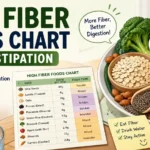
Here is a practical comparison of fiber content in common foods, using standard USDA reference values:
| Food | Typical serving | Fiber (approx.) |
|---|---|---|
| Cooked lentils | 1 cup | 15 g |
| Cooked black beans | 1 cup | 15 g |
| Pear with skin | 1 medium | 5–6 g |
| Apple with skin | 1 medium | 4–5 g |
| Prunes | 1/2 cup | 6 g |
| Oatmeal, cooked | 1 cup | 4 g |
| Broccoli, cooked | 1 cup | 5 g |
| Brown rice, cooked | 1 cup | 3–4 g |
Notice that beans and lentils deliver far more fiber per serving than most fruits and vegetables. If you can tolerate them, they are the most efficient single addition to a pregnancy diet for constipation.
Which Fruits and Vegetables Help Most?
Prunes have the longest track record. They contain fiber plus naturally occurring sorbitol, a sugar alcohol that draws water into the intestine. That double action is why prunes and prune juice are often recommended. A small amount, such as a few prunes or a small glass of prune juice, is a reasonable starting point for most pregnant women, though individual tolerance varies.
Pears and apples are strong choices, especially with the skin left on. The skin carries much of the fiber. Peeling them removes a meaningful portion of the benefit.
Berries, oranges, and dried figs are also useful. Dried fruit in general is fiber-dense because the water has been removed, but it is also concentrated in sugar, so portions matter.
On the vegetable side, leafy greens, broccoli, carrots, and squash all contribute. Cooked vegetables are often easier on a sensitive pregnant stomach than large amounts of raw ones.
If a particular food causes gas or bloating, that is common when you increase fiber quickly. Introduce one new high-fiber food at a time and give your gut a few days to adjust.



How Much Water and Fluid Do You Need?
Fluids are not optional here. Without enough water, fiber cannot do its job.
General guidance for pregnant women is roughly 8 to 10 cups of fluid per day, though needs vary with activity, climate, and individual factors. Water is ideal. Other fluids count too, but watch out for sugary drinks.
Warm fluids can be especially helpful. A warm drink in the morning, whether water with lemon, herbal tea, or broth, often helps stimulate a bowel movement. This is a common clinical suggestion, though formal trials on temperature specifically are limited.
One caution: some herbal teas are not considered safe in pregnancy. Stick to teas generally regarded as safe, such as ginger or peppermint, and check with your doctor about any others.
Are There Foods You Should Limit?
Yes, a few categories can make constipation harder to manage.
- Refined grains and processed foods. White bread, white pasta, and many packaged snacks are low in fiber and can crowd out higher-fiber choices.
- High-fat fried foods. These tend to slow digestion further.
- Excess dairy in some people. Dairy is not constipating for everyone, but some women notice it. This is individual, not universal.
- Too much caffeine. Caffeine can be dehydrating. Pregnancy guidance generally caps caffeine at 200 mg per day, which is about one 12-ounce cup of coffee.
None of these need to be eliminated entirely. The point is balance. If most of your plate is fiber-rich food and you are drinking enough water, occasional treats are not the problem.
When Diet Is Not Enough
Diet and fluids resolve constipation for many women, but not all. If you have made consistent changes for a week or two and nothing has improved, that is worth a conversation with your doctor or midwife.
Some clinicians recommend fiber supplements such as psyllium, which is a bulk-forming laxative. These are generally considered among the safer options in pregnancy, but they still should be discussed with your provider, and they must be taken with plenty of water.
Other laxatives vary widely in how they work and how safe they are during pregnancy. Some are commonly used, others are not recommended. Do not assume an over-the-counter product is fine just because it is available without a prescription. Check with your provider first.
Seek medical care promptly if you have severe abdominal pain, blood in your stool, vomiting, or you have not had a bowel movement for several days along with pain or bloating. These can signal something more serious than ordinary pregnancy constipation.
Does Physical Activity Help?
Movement helps the bowel move. This is well established. Light activity such as walking, prenatal yoga, or swimming supports normal digestion and is generally encouraged in uncomplicated pregnancies.
If your pregnancy is high-risk or you have been advised to limit activity, follow your provider’s guidance instead. Do not start a new exercise routine during pregnancy without checking first.
Frequently Asked Questions
What foods relieve constipation during pregnancy fast?
Prunes, prune juice, and other high-fiber fruits like pears and apples with the skin on tend to work relatively quickly for many women. Pair them with a full glass of water, since fiber without fluid can backfire.
How much fiber should a pregnant woman eat per day?
The general adult target is about 25 to 30 grams of fiber daily, and pregnancy does not lower that number. Increase gradually and drink more water as you do, to avoid gas and bloating.
Is prune juice safe during pregnancy?
Prune juice is generally considered safe in normal amounts for most pregnant women. Start with a small serving, since it can cause gas or loose stools if you overdo it.
Can constipation during pregnancy harm the baby?
Ordinary pregnancy constipation does not harm the baby. However, severe pain, bleeding, or several days without a bowel movement should be checked by your provider.
