
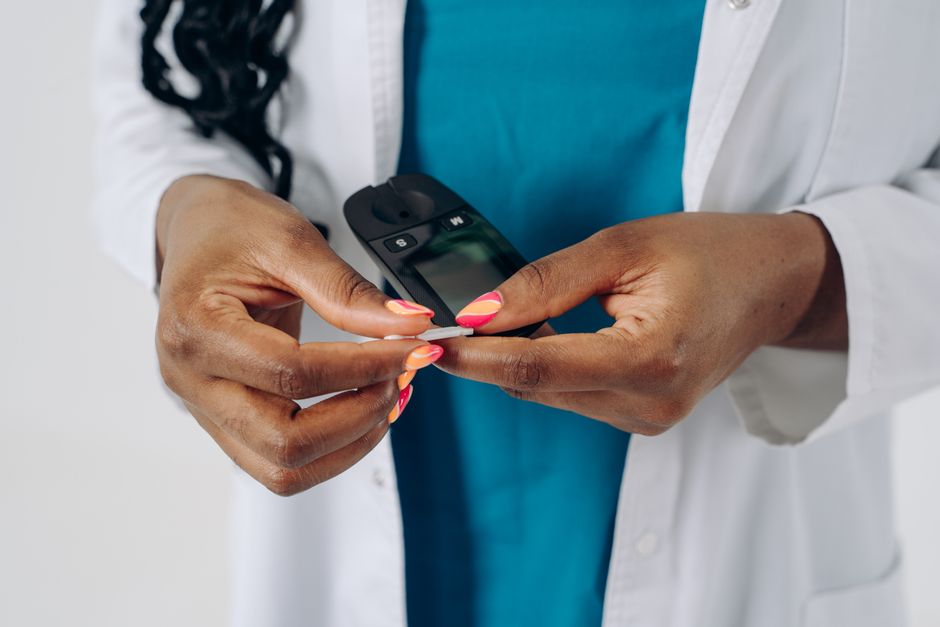
No — for the standard glucose screening test used in pregnancy, you should not eat breakfast beforehand. The test is designed to measure how your body handles a set amount of sugar after a period of fasting, and eating before it can raise your blood sugar and lead to a result that does not reflect your true glucose handling. Most clinics tell you to fast for a set number of hours before the test, and many schedule it first thing in the morning so the fasting window falls overnight while you sleep.
That said, “the glucose test” is not one single test. There are two different tests used in pregnancy, and the eating rules are not the same for both. Getting this wrong is one of the most common reasons people are asked to come back and repeat the test. Here is what actually applies to each one.
Why Does Fasting Matter for the Pregnancy Glucose Test?
Blood sugar responds directly to what you eat. A meal containing carbohydrates raises your glucose within about 15 to 30 minutes, and it stays elevated for an hour or more depending on what and how much you ate. That rise is normal and expected.
The problem is that the test is trying to measure one specific thing: how well your body clears a known, standardized load of glucose. If you have already eaten, the drink you are given is added on top of whatever is still circulating from breakfast. The result then reflects two inputs — your meal and the drink — instead of just the drink.
That can push a normal result into an abnormal range. It can also, in theory, work the other way and muddy the picture in less predictable ways. Either way, the number becomes harder to interpret, and your clinician may not be able to trust it.
The fasting requirement exists to make the test comparable. Every pregnant person takes the same drink and starts from the same baseline. Without that standardization, the cutoff values used to flag high results would not mean much.
What Is the Difference Between the One-Hour and Three-Hour Glucose Tests?
These are two separate tests with two separate sets of rules, and this is where a lot of confusion starts.
The one-hour glucose challenge test is the standard first step. You drink a glucose solution and your blood is drawn one hour later. For this test, many clinics do not require full fasting — but they do tell you not to eat anything in the hour or two before, and to avoid a heavy or sugary meal right beforehand. Some clinics ask for fasting; some do not. Practice varies.
The three-hour glucose tolerance test is different. It is usually done only if the one-hour test comes back high. For this one, fasting is required. You typically need to fast overnight, often for 8 to 12 hours, and your blood is drawn before the drink and then again at set intervals afterward. You usually cannot eat or drink anything except small sips of water during the test itself.
So the honest answer depends on which test you are scheduled for. If you are not sure, call your clinic and ask. That single phone call prevents most repeat tests.
Can You Eat Breakfast Before Pregnancy Glucose Test?
For the three-hour test, no. You need to arrive fasting, and breakfast would break that fast.
For the one-hour test, it depends on your clinic’s instructions. Some allow a light, low-sugar breakfast several hours before. Others ask you to fast. There is no single nationwide rule here, and clinics differ in how strict they are.
The safest approach is to follow the written instructions you were given. If you were not given any, or if they were unclear, call and ask before the appointment rather than guessing. Showing up having eaten when you were supposed to fast usually means the test has to be rescheduled.
One detail worth knowing: the test is often scheduled in the morning specifically so the fasting window overlaps with sleep. That is not an accident. It makes the fast easier to complete and reduces the chance you will be uncomfortably hungry by the time you arrive.


What Happens If You Accidentally Eat Before the Test?
Tell the staff when you arrive. Do not stay quiet and hope it does not matter.
Depending on what you ate, how long ago, and which test you are taking, they may proceed anyway, or they may reschedule you for another day. That decision is theirs to make, not yours, because it depends on the specific protocol your clinic follows and the cutoff values they use.
If you ate and the test still goes ahead, understand that the result may be less reliable. If it comes back abnormal, your clinician may want to repeat it under proper fasting conditions before drawing any conclusions. An abnormal result on a non-fasting one-hour test does not automatically mean you have gestational diabetes — it means further testing is needed.
Waiting until the last minute to mention it, or not mentioning it at all, is the one thing that can genuinely cause a problem. A result that looks abnormal when it is not can lead to unnecessary follow-up testing and worry.
What Can You Drink Before the Test?
Plain water is generally fine, and staying hydrated is a good idea. Small sips of water are usually allowed even during the three-hour test.
Everything else is where people get caught out. Coffee and tea often contain sugar or milk, and even unsweetened coffee can affect some people’s glucose and blood pressure. Juice, soda, sports drinks, and sweetened tea all contain sugar and will raise your blood glucose. Chewing gum, mints, and hard candy count too, even though they feel like nothing.
If you take medications, ask your clinician whether to take them as usual on the morning of the test. Do not skip a prescribed medication on your own without checking first — this matters especially for blood pressure and thyroid medications, where timing can affect both the test and your health.
How Should You Prepare the Day Before?
Preparation the day before matters more than most people realize, and it is often skipped.
Eat normally the day before the test. Do not try to “eat clean” or cut carbohydrates drastically to improve your result. That can backfire. A sudden drop in carbohydrate intake can change how your body responds to the glucose drink and produce a falsely abnormal reading. The test is meant to reflect your usual diet and usual glucose handling, not a one-day diet.
A few practical steps help:
- Eat your normal meals the day before, including carbohydrates.
- Finish eating by the time your clinic tells you to start fasting — often 8 to 12 hours before the test for the three-hour version.
- Drink water during the fasting window so you are not dehydrated.
- Avoid alcohol the day before.
- Get a normal night’s sleep. Poor sleep can affect glucose the next morning.
- Bring something to do. The three-hour test involves a lot of waiting.
- Bring a snack to eat after the test is finished, since you may feel hungry or lightheaded.
If you smoke, avoid it on the morning of the test. Smoking affects glucose and blood pressure readings.
Why Is the Test Done at All?
The test screens for gestational diabetes, a form of high blood sugar that develops during pregnancy in people who did not have diabetes before. It usually appears in the second or third trimester.
Pregnancy changes how the body handles glucose. Hormones produced by the placenta make cells less responsive to insulin — a normal effect that helps ensure the growing baby gets enough glucose. In most people, the pancreas compensates by making more insulin. In some, it cannot keep up, and blood sugar rises.
Gestational diabetes often causes no obvious symptoms, which is exactly why screening exists. Untreated, it is associated with larger birth weight, a higher chance of delivery complications, and a higher risk of the parent developing type 2 diabetes later in life. Treatment — usually diet changes, monitoring, and sometimes medication — reduces these risks.
Screening is generally done between 24 and 28 weeks of pregnancy for most people. Those with certain risk factors may be tested earlier or more than once. Your clinician will tell you what applies to you.
What Does the Glucose Drink Actually Contain?
The drink is a measured glucose solution, usually 50 grams for the one-hour test and 75 or 100 grams for the longer test, depending on the protocol your clinic uses. It is not a “sugar bomb” in the way it is sometimes described online. It is a standardized dose, chosen so results can be compared against established cutoff values.
Some people feel nauseated, lightheaded, or flushed after drinking it. That is a common reaction and usually passes. If you feel unwell during the test, tell the staff. Do not try to push through it silently.
Some clinics offer flavored versions or a food-based alternative. Availability varies, so ask if the standard drink is a problem for you.
Frequently Asked Questions
Can I eat breakfast before my one-hour glucose test?
It depends on your clinic’s instructions — some allow a light, low-sugar breakfast and some ask you to fast. Call your clinic and follow their specific guidance, since there is no single standard rule.
Can I drink water before the pregnancy glucose test?
Yes, plain water is generally allowed and staying hydrated is fine. Avoid juice, soda, coffee with sugar, and anything else containing calories or sweeteners.
What happens if I eat before the three-hour glucose test?
Tell the staff when you arrive, because they may need to reschedule the test. Eating before a fasting test can make the result unreliable and may lead to a repeat appointment.
Should I change my diet the day before the glucose test?
No, eat your normal meals including carbohydrates. Cutting carbs sharply the day before can distort your result and produce a falsely abnormal reading.
