
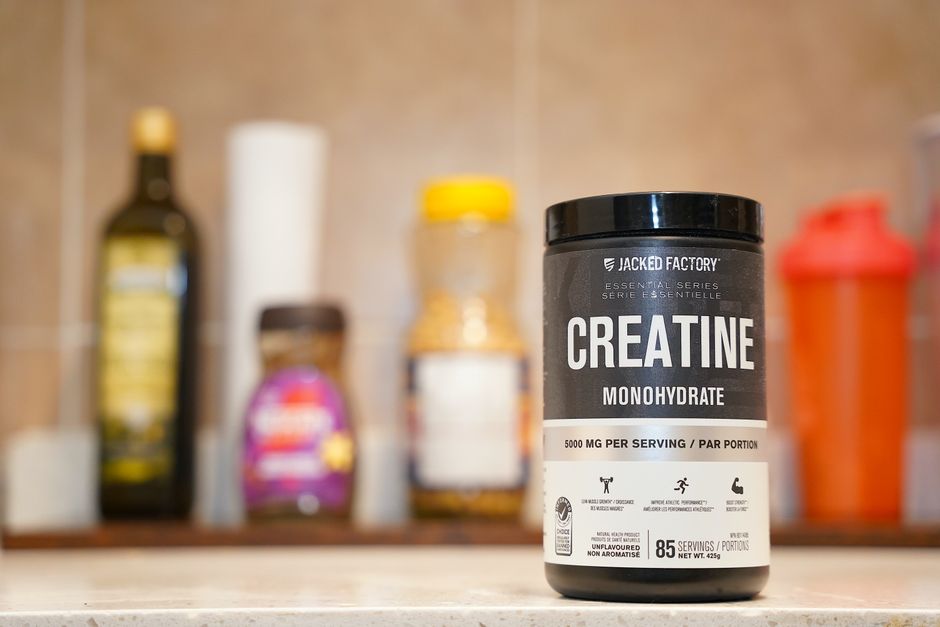
Yes, creatine can cause bloating, but the effect is usually mild and temporary. The bloating people notice most often comes from water retention inside muscle cells, not from gas or fluid trapped in the stomach. It is most common during the first week of use, especially with a loading phase, and it tends to fade as the body adjusts.
Creatine is one of the most studied sports supplements in existence. That research base gives us a clear picture of what it does and what it does not do. Some of the reputation for bloating is real. Some of it is exaggerated or confused with other digestive issues.
Does Creatine Actually Cause Bloating?
Creatine can cause a feeling of fullness or puffiness, and research supports that it increases water content in the body. What it does not typically do is cause the kind of gas bloating you get from a heavy meal or a stomach bug.
The distinction matters. When people say they feel bloated on creatine, they usually mean one of two things:
- Intracellular water retention — water drawn into muscle cells, which can make muscles look fuller and the body slightly heavier on the scale.
- Gastrointestinal discomfort — stomach upset, cramping, or loose stools, which some users report, particularly at higher doses.
These are different experiences with different causes. The first is an expected effect of how creatine works. The second is a side effect that not everyone gets and that often relates to dose or how the supplement is taken.
Why Does Creatine Pull Water Into Muscle Cells?
Creatine is stored in muscle as phosphocreatine, and it works alongside water. When you take creatine, your muscles take it up along with water. This is part of the normal transport process.
Muscle cells hold more water when creatine content rises. This is not swelling in the medical sense. It is a shift in fluid distribution. The water goes inside the cells rather than staying in the space between them.
That is why the weight gain people see on creatine is usually small and why it does not look like puffiness under the skin. The fluid is inside the muscle tissue itself. Some researchers describe this as a hydration effect rather than a bloating effect, though the two can feel similar to the person experiencing them.
Is the Bloating From Loading or From Regular Dosing?
Loading phases are more likely to cause noticeable bloating than steady lower doses. A loading phase means taking a larger amount for several days to saturate muscles quickly. This approach raises muscle creatine faster, and it also pulls more water in faster.
The discomfort people describe usually shows up in that first week. It often settles within a few days to a couple of weeks as the body adjusts. Taking a smaller daily dose from the start avoids the loading phase entirely and tends to produce a slower, gentler rise in muscle creatine.
Neither approach is wrong. Loading gets you to saturation faster. Steady dosing takes longer but is often easier on the stomach. The end result after a few weeks is similar.





What Causes the Stomach Upset Some People Report?
Stomach upset from creatine is usually about dose and timing, not the creatine molecule itself. Taking a large amount at once can draw water into the gut and cause cramping or loose stools in some people.
Other factors that seem to contribute include:
- Taking creatine on an empty stomach
- Mixing it with too little water
- Combining it with other supplements or a large meal
- Individual sensitivity that varies widely from person to person
Splitting the dose across the day and taking it with food or a full glass of water helps many people. If stomach issues continue, a lower dose is often better tolerated. Not everyone experiences digestive symptoms at all, and some people never notice any bloating.
How Long Does Creatine Bloating Last?
For most people who notice it, the bloating feeling eases within one to two weeks. The body adjusts to the new fluid balance, and the sensation fades even though muscle water content stays elevated.
The scale weight may stay a little higher for as long as you take creatine. That is expected and is not the same as the bloating sensation going away. The number on the scale reflects water stored in muscle. The feeling of puffiness is what tends to fade.
If bloating persists well beyond a few weeks or comes with pain, vomiting, or changes in bowel habits, that is not a typical creatine response. It is worth talking to a doctor, because those symptoms point to something else.
Does Everyone Get Bloated on Creatine?
No. Many people take creatine for years and never feel bloated. Response varies a lot between individuals, and researchers do not have a clear way to predict who will notice it.
Body weight, dose, hydration status, and diet all play a role. Someone who is already well hydrated and eats a mixed diet may notice less. Someone who starts at a high dose on an empty stomach may notice more.
It is also worth separating creatine from other things in your routine. A new pre-workout, a change in diet, or a hard training block can all cause bloating on their own. If you started several things at once, you cannot blame creatine with confidence.
Can You Avoid Creatine Bloating?
You can reduce the odds of discomfort, though you cannot guarantee you will avoid it entirely. The main levers are dose, timing, and hydration.
- Skip the loading phase and take a smaller daily dose.
- Split your dose into two smaller servings if you take more than a single scoop.
- Take it with food or a full glass of water rather than dry or on an empty stomach.
- Drink enough water through the day, since creatine shifts fluid into muscle.
- If one form bothers you, some people report fewer stomach issues with creatine hydrochloride or other forms, though the evidence that these are better tolerated is limited.
The most common form, creatine monohydrate, has the most research behind it. It is also the cheapest. Switching forms to solve bloating is not strongly supported by evidence, even though some users say it helps.
Is the Bloating a Sign of a Problem?
Mild bloating or a small weight gain on creatine is not a sign of harm. It is the expected result of how the supplement works. Creatine has a long safety record in healthy adults when taken at typical doses.
What is not normal: significant swelling in the hands, feet, or face, rapid weight gain of several pounds in a day, or bloating with pain and vomiting. Those are not typical creatine effects and should be checked by a doctor.
People with kidney disease, liver disease, or conditions affecting fluid balance should talk to their doctor before starting creatine. The supplement is generally studied in healthy people, and guidance for those with these conditions is limited.
One point that gets lost: creatine does not cause dehydration. It shifts water into muscle, but it does not pull water out of the rest of the body in a way that harms you. Drinking normally is enough for most people.
Frequently Asked Questions
Does creatine make you look bloated or just feel bloated?
Most people feel fuller rather than looking puffy, because the water goes inside muscle cells. Visible puffiness under the skin is not a typical creatine effect.
How long does creatine bloating last?
For most people who notice it, the feeling eases within one to two weeks as the body adjusts. Scale weight may stay slightly higher for as long as you take it.
Can I take creatine without getting bloated?
Skipping the loading phase, splitting your dose, and taking it with food or water reduces the odds of discomfort for many people. There is no way to guarantee you will avoid it.
Is creatine bloating dangerous?
Mild bloating and small weight gain are not dangerous and reflect normal fluid shifts. Swelling in the hands, feet, or face, or bloating with pain and vomiting, is not typical and should be checked by a doctor.
