
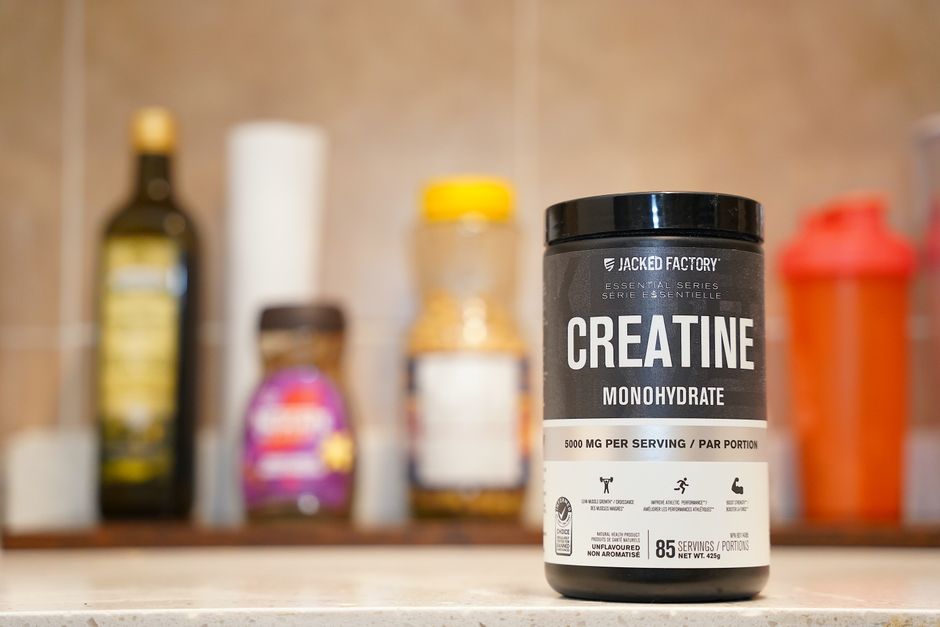
Creatine is one of the most studied supplements in sports nutrition, and it is generally considered safe for healthy adults. The direct answer is that creatine does not raise blood pressure in healthy people when taken at recommended doses. Most clinical trials measuring blood pressure as a secondary outcome have found no significant changes, even during long-term use. However, the relationship is not zero-risk for everyone, and specific populations need to be more careful.
What the Research Actually Shows
Research consistently shows that standard creatine monohydrate supplementation does not increase resting blood pressure in healthy individuals. Studies lasting anywhere from a few weeks to several months have tracked blood pressure alongside muscle mass and performance changes. The consistent finding is that blood pressure remains stable.
This makes physiological sense. Creatine draws water into muscle cells, which increases intracellular fluid, not blood volume in the arteries. The total body water increase is small and distributed mostly inside the cells. It does not constrict blood vessels or increase cardiac workload the way stimulants like caffeine do.
Some older case reports suggested a link between creatine and high blood pressure, but these were isolated incidents often involving people with pre-existing kidney conditions or those taking multiple supplements at once. No large human trial has confirmed a causal relationship.
Why Creatine Is Often Blamed for High Blood Pressure
Creatine gets blamed for blood pressure spikes because of how it is marketed and consumed. Many pre-workout formulas combine creatine with high doses of caffeine, which does raise blood pressure acutely. If someone takes a pre-workout powder containing both ingredients, their blood pressure may go up. The creatine is not the culprit.
Another reason is weight gain. Creatine causes a rapid 2 to 4 pound water weight gain within the first week. Some people interpret this as a sign of fluid retention affecting their heart. But this water is inside the muscles, not circulating in the bloodstream. It does not increase vascular pressure.
Dehydration is a third factor. Creatine pulls water into muscles, so if someone does not drink enough fluids, they can become dehydrated. Dehydration can cause a temporary drop in blood pressure or an increase in heart rate. Neither is a direct effect of creatine itself.
Who Should Be Cautious
People with existing high blood pressure, kidney disease, or heart conditions should talk to a doctor before starting creatine. This is not because creatine is proven dangerous for them, but because the evidence in these populations is limited. Most clinical trials exclude people with significant medical conditions, so safety data is simply absent.
If you have hypertension and are on blood pressure medication, adding creatine is likely fine, but your doctor should know. The concern is not that creatine will spike your blood pressure. The concern is that your kidneys handle creatine excretion, and if your kidney function is already impaired, creatine may not be cleared properly.
For healthy adults with normal blood pressure and kidney function, routine monitoring is not necessary. If you want extra reassurance, you can check your blood pressure at home a few weeks after starting. A single reading above 130/80 mmHg is not alarming, but a consistent trend upward warrants a discussion with your healthcare provider.





How Creatine Works in the Body
Creatine is stored in skeletal muscle as phosphocreatine. This compound helps regenerate ATP, the primary energy currency of cells, during short bursts of intense activity. That is why it improves performance in activities like weightlifting, sprinting, and other high-intensity efforts lasting under 30 seconds.
The standard dosing protocol is a loading phase of 20 grams per day divided into four 5-gram doses for five to seven days, followed by a maintenance dose of 3 to 5 grams daily. Alternatively, you can skip the loading phase and take 3 to 5 grams daily, reaching full muscle saturation in about three to four weeks.
Creatine monohydrate is the most studied form. Other forms like creatine ethyl ester, creatine hydrochloride, and buffered creatine have not shown superior benefits in clinical trials. Stick with monohydrate unless a specific reason exists to choose otherwise.
Blood Pressure vs. Heart Rate — Know the Difference
Blood pressure and heart rate are often confused. Creatine does not raise either in healthy people, but the distinction matters for understanding your own measurements.
Blood pressure is the force of blood against artery walls. Heart rate is how many times your heart beats per minute. A supplement can affect one without affecting the other. For example, caffeine raises both. Creatine affects neither in most people.
If you feel your heart racing after taking creatine, it is likely not the creatine itself. Check your other ingredients. Many flavored creatine powders contain artificial sweeteners or additives that some people are sensitive to. More commonly, the feeling comes from taking creatine with coffee or a pre-workout containing stimulants.
Common Mistakes That Could Affect Blood Pressure
Taking excessive doses of creatine is the most common mistake. Some people assume that if 5 grams is good, 15 grams is better. This is not true. Muscle cells become saturated, and the excess creatine is excreted in urine. High doses do not improve results and may stress the kidneys unnecessarily.
Not drinking enough water is a close second. Creatine increases water demand in muscle tissue. If you do not increase your fluid intake, you may experience cramping, headaches, or dizziness. These symptoms are not blood pressure spikes, but they are uncomfortable and can be mistaken for cardiovascular issues.
Skipping rest days is another issue. Creatine helps you push harder in training, which can lead to overtraining if you do not allow recovery. Overtraining can raise resting heart rate and blood pressure over time. This is an indirect effect of training load, not a direct effect of creatine.
What About Long-Term Use
Long-term safety data on creatine is reassuring. Studies following athletes for up to five years have not found adverse effects on blood pressure, kidney function, or liver enzymes. The World Anti-Doping Agency does not ban creatine, and it is widely used by professional athletes across many sports.
Some research suggests creatine may actually have cardiovascular benefits. One area of interest is its role in reducing homocysteine levels, an amino acid linked to heart disease risk. Other studies have looked at creatine’s potential to improve exercise capacity in people with heart failure. This research is preliminary but promising.
None of this means creatine treats or prevents heart disease. It simply means the supplement does not appear to harm cardiovascular health in healthy people. If you have a heart condition, the decision to use creatine should be made with your medical team.
How to Monitor Your Blood Pressure While Taking Creatine
If you decide to take creatine and want to track your blood pressure, use a validated home monitor. Sit quietly for five minutes before taking a reading. Keep your feet flat on the floor and your arm supported at heart level. Take two readings one minute apart and average them.
Measure at the same time each day, ideally in the morning before eating or taking any supplements. Record your readings in a log. This gives you a baseline before starting creatine and a clear picture of any changes afterward.
A normal blood pressure reading is below 120/80 mmHg. Elevated blood pressure starts at 120-129 systolic with diastolic below 80. Stage 1 hypertension is 130-139 systolic or 80-89 diastolic. If your readings consistently fall in the elevated or hypertensive range, talk to your doctor rather than assuming creatine is the cause.
Frequently Asked Questions
Can creatine cause high blood pressure?
No, creatine does not raise blood pressure in healthy people at recommended doses. Clinical trials have not found significant blood pressure changes with standard creatine use.
How much water should I drink while taking creatine?
Drink at least 8 to 10 cups of fluid per day, more if you exercise heavily. Creatine draws water into muscles, so adequate hydration prevents cramping and dehydration.
Can I take creatine if I already have high blood pressure?
Talk to your doctor first, especially if you take blood pressure medication. The evidence does not show creatine is dangerous for people with hypertension, but safety data in this population is limited.
Does creatine interact with blood pressure medication?
No known direct interaction exists between creatine and common blood pressure medications. However, your doctor should monitor your kidney function if you take both, since some blood pressure drugs affect kidney filtration.
