
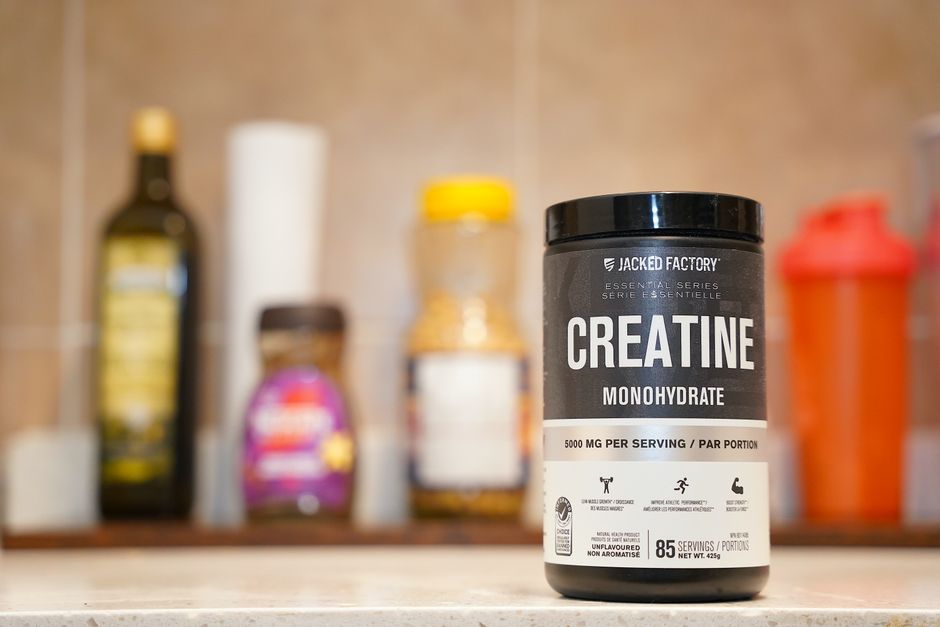
Creatine is one of the most studied supplements in sports nutrition, and the evidence is clear: for healthy adults, it is safe to take at recommended doses. Decades of research have not found serious side effects in healthy people who use it correctly. It is not a steroid, and it does not damage the liver or kidneys when taken as directed by healthy individuals. The main effects are well understood, and the risks are mostly limited to minor digestive discomfort and water retention.
What Is Creatine and How Does It Work?
Creatine is a natural compound your body makes from amino acids. Your liver, kidneys, and pancreas produce about 1 to 2 grams per day. You also get creatine from food, mainly red meat and seafood.
About 95% of the creatine in your body is stored in skeletal muscle. There, it helps your cells produce ATP, which is the primary energy currency for short, intense bursts of activity. Think of heavy lifting, sprinting, or jumping. Creatine helps you perform a few extra reps or maintain power output for a few more seconds.
Supplementing with creatine increases the amount stored in your muscles. This is why it is widely used by athletes and people who strength train. It is not a stimulant. It does not make you feel energetic. It works behind the scenes at the cellular level.
Is Creatine Safe To Take for Your Kidneys and Liver?
This is the most common concern, and the answer is reassuring for healthy people. Creatine is broken down into creatinine, which your kidneys filter out of your blood. High creatinine levels can look like kidney problems on a blood test, even when your kidneys are working fine.
Research consistently shows that creatine supplementation does not harm kidney function in healthy individuals. Studies lasting months to years have monitored kidney markers and found no damage. The concern comes from the fact that creatine raises creatinine levels, and doctors sometimes mistake this for kidney disease.
The situation is different for people who already have kidney disease. If your kidneys are not working properly, you should not take creatine without talking to your doctor first. The same applies to people with liver disease, though the evidence for liver damage is even weaker. For healthy people, the evidence is strong: creatine does not damage these organs.
What Are the Known Side Effects of Creatine?
The most common side effect is weight gain. This is not fat gain. Creatine draws water into your muscle cells, so you gain water weight. Most people gain 2 to 4 pounds in the first week. This is expected and harmless, though it can be surprising.
Digestive issues are the second most common complaint. Some people experience stomach cramps, nausea, or diarrhea. This is usually dose-related. Taking too much at once, or taking it without enough water, makes these symptoms more likely.
Muscle cramps and dehydration are often blamed on creatine, but research does not support this. Studies have actually found the opposite. Creatine may help maintain hydration and reduce cramping during exercise in the heat. The myth likely comes from the fact that creatine pulls water into muscles, leading people to believe they need less water. They still need the same amount, or more.





Does Creatine Cause Hair Loss or Other Myths?
Hair loss is a popular claim about creatine, but the evidence is weak and mixed. One small study found an increase in a hormone called DHT, which is linked to hair loss, in rugby players taking creatine. No study has actually shown that creatine causes people to lose their hair. Some research suggests a possible link, but it is far from proven.
Another common myth is that creatine is a steroid or that it harms testosterone. Creatine is not a steroid. It is a naturally occurring compound. Research on testosterone levels has found no negative effect. In fact, some studies suggest creatine may slightly increase testosterone after exercise, but the effect is small and not clinically meaningful.
There is also no evidence that creatine causes kidney stones, despite the common belief. Creatine does not increase the substances that form stones in most people. If you have a history of kidney stones, talk to your doctor, but the general population does not need to worry about this.
How Much Creatine Should You Take?
The standard dose is 3 to 5 grams per day. This is the dose used in most research studies and is supported by clinical guidelines. You do not need a loading phase, where you take 20 grams per day for a week. Loading just gets you to saturation faster, but the same result happens in about three to four weeks at the standard dose.
Timing does not matter much. Some research suggests taking it after your workout is slightly better, but the difference is small. The most important thing is consistency. Take it every day, whether you train or not. Muscle creatine levels stay elevated with daily use.
Creatine monohydrate is the form with the most research behind it. Other forms, like creatine ethyl ester or buffered creatine, are marketed as better, but no solid evidence shows they work better than monohydrate. They are also more expensive. Stick with the form that has decades of research supporting it.
Is Creatine Safe for Women and Older Adults?
Yes, the safety profile is the same for women as it is for men. The water retention can be more noticeable in women, but it is not dangerous. Some women worry about looking bulky, but creatine does not cause muscle growth on its own. It only supports the work you put in during training.
Older adults may actually benefit from creatine more than younger people. Age-related muscle loss, called sarcopenia, is a major health concern. Research shows that creatine combined with resistance training helps older adults build and preserve muscle mass. It also appears to support bone health when combined with exercise.
There is no evidence that creatine is unsafe for older adults who are healthy. As with any supplement, it is wise to check with your doctor if you have existing health conditions or take medications.
What About Creatine and Medication Interactions?
Creatine can interact with a few medications, though serious interactions are rare. The main concern is with medications that affect the kidneys. Nonsteroidal anti-inflammatory drugs, or NSAIDs like ibuprofen, can stress the kidneys when taken in high doses over a long time. Adding creatine to this combination may increase the risk, though this has not been well studied.
People taking medications for diabetes should be aware that creatine may affect blood sugar control. Some research suggests creatine can improve glucose tolerance, which could mean your medication needs adjustment. This is not a reason to avoid creatine, but it is a reason to monitor your blood sugar more closely.
If you take any medication for kidney or liver conditions, or if you have diabetes, talk to your doctor before starting creatine. For everyone else, the risk of a medication interaction is very low.
Who Should Not Take Creatine?
People with pre-existing kidney disease should not take creatine without medical supervision. The same applies to people with liver disease. These conditions change how your body processes creatine, and the safety data does not apply to you.
Pregnant and breastfeeding women should avoid creatine. No clinical guidelines exist for this population, and there is not enough research to confirm safety. This is a case where the absence of evidence means you should err on the side of caution.
People under 18 should also be cautious. Creatine is popular among teenage athletes, but the research on long-term safety in adolescents is limited. Some sports organizations restrict its use in younger athletes. If you are considering creatine for a teenager, talk to a pediatrician first.
Frequently Asked Questions
Can creatine damage your kidneys?
No, research shows creatine is safe for healthy kidneys. Creatine raises creatinine levels on blood tests, which can look like kidney damage, but it does not actually harm the kidneys in healthy people.
How long can you safely take creatine?
Studies have used creatine continuously for up to five years without serious side effects. There is no established upper limit for how long you can take it, as long as you are healthy and use standard doses.
Does creatine make you gain fat?
No, creatine does not cause fat gain. The weight you gain in the first week is water weight stored in your muscles. Fat gain only happens if you eat more calories than you burn.
Is creatine safe to take every day?
Yes, daily use is the recommended way to take creatine. Consistency matters more than timing, and taking 3 to 5 grams daily is supported by research.
