
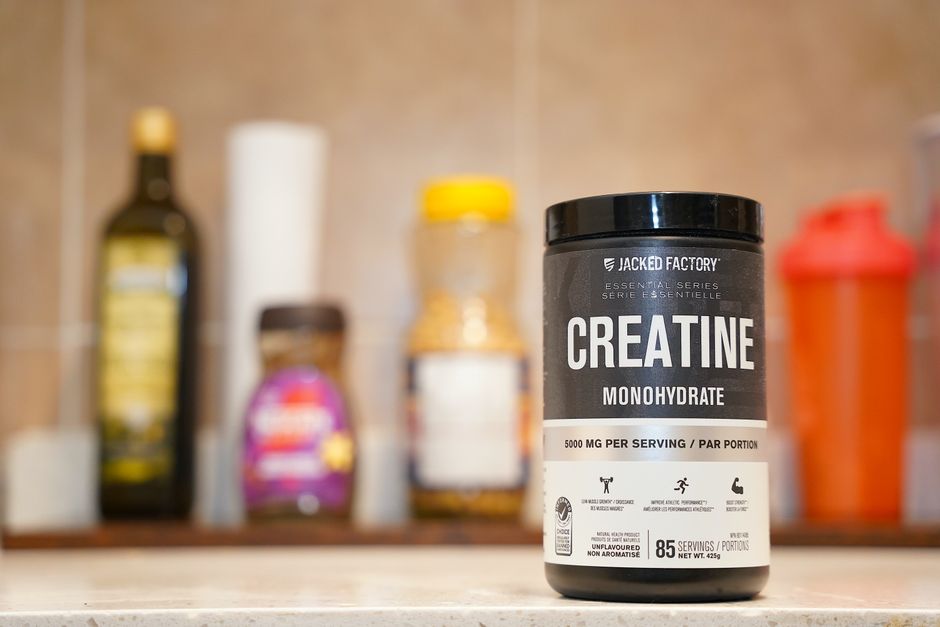
Creatine is one of the most studied supplements in sports nutrition, yet the fear of gaining fat keeps many people from trying it. The short answer is no—creatine does not make you fat. The weight you see on the scale during creatine use is mostly water inside your muscle cells, not new fat tissue. That distinction matters because it changes how you interpret the number on the scale and what you expect from the supplement.
What Actually Happens When You Take Creatine?
Creatine draws water into your muscle cells. This is a physical process, not a metabolic one. Your muscles hold more fluid, which makes them look fuller and heavier on the scale.
This water retention is intracellular, meaning it sits inside the muscle cells rather than under the skin. It is not the same as the bloated, puffy water retention you might get from high sodium intake. Most people gain about 2 to 4 pounds of water weight in the first week of supplementing. That gain is not fat and it is not permanent—it disappears when you stop taking creatine.
Creatine does not alter your fat cells. It does not slow your metabolism. It does not cause your body to store more energy as fat. The supplement works by helping your muscles produce ATP more quickly, which is why it is linked to strength and power improvements.
Why the Scale Goes Up but Your Waist Does Not
If you step on the scale after a week of creatine and see a higher number, your first instinct might be panic. But consider where that weight is going. Muscle tissue is dense. Water inside muscle adds volume but not the soft, jiggly appearance associated with fat gain.
Your waist measurement is a better indicator than the scale. If your pants fit the same and your waist measurement has not changed, the weight gain is not fat. Fat gain requires a calorie surplus over time. Creatine does not add calories to your diet or change how your body partitions energy.
One study published in the Journal of Strength and Conditioning Research followed athletes taking creatine for several weeks. The researchers found no significant increase in body fat percentage despite increases in total body weight. The added weight was lean mass and water.
Can Creatine Indirectly Lead to Fat Gain?
There is one indirect way creatine could contribute to fat gain, and it has nothing to do with the supplement itself. Some people feel hungrier when they start taking creatine. This is not a proven side effect, but it happens anecdotally. If you respond to that hunger by eating significantly more calories than you burn, you will gain fat—but the creatine is not the cause. The extra food is.
Another indirect factor is overconfidence. When people feel stronger in the gym, they sometimes reduce their cardio or increase their food intake thinking the supplement will handle the rest. It will not. Creatine improves performance capacity. It does not burn fat or offset a poor diet.
If you maintain your usual eating habits, creatine will not make you fat. If you use the strength gains to eat more without adjusting your activity level, the fat gain is on the diet, not the supplement.



Creatine vs. Other Weight Gain Supplements
Creatine is often grouped with mass gainers and weight-gain powders, but they work completely differently. Mass gainers are essentially calorie-dense shakes designed to push you into a calorie surplus. They can absolutely make you fat if you do not need those extra calories.
Creatine contains zero calories. A standard dose of 3 to 5 grams per day provides no energy your body can store as fat. It is not a food. It is a compound your muscles use to recycle ATP during high-intensity exercise.
This distinction matters because many people assume all supplements that cause weight gain do so through the same mechanism. They do not. One adds calories. The other adds water to muscle tissue.
What Does the Research Say About Body Composition?
Research consistently shows creatine improves lean body mass over time. This is not the same as building muscle directly—creatine does not build muscle on its own. It allows you to train harder, which leads to more muscle growth over weeks and months.
Multiple meta-analyses have examined creatine’s effect on body composition. The consistent finding is that creatine increases fat-free mass and does not increase fat mass. Some studies show a small decrease in body fat percentage, likely because the increase in lean mass dilutes the fat percentage number.
No credible study has shown creatine causes fat gain in people who maintain their normal diet. The supplement simply does not have a mechanism to do so.
Who Should Be Careful With Creatine?
People with kidney disease should not take creatine without talking to a doctor first. Creatine is processed by the kidneys, and high doses can strain already compromised kidney function. For healthy individuals, the safety record is strong across decades of research.
People watching their weight for athletic competition might also want to be aware of the water weight. If you compete in a weight-class sport like wrestling or powerlifting, the initial water gain could push you into a higher class. That is not fat gain, but it is a real consideration for competition planning.
If you are trying to lose weight, the scale might frustrate you in the first week of creatine use. The water weight can mask fat loss for a short period. Your waist measurement and how your clothes fit will give you a more accurate picture of your progress than the scale alone.
How to Tell If You Are Gaining Fat or Water
Water weight from creatine appears quickly—usually within the first week. Fat gain appears slowly over weeks. If the scale jumps up suddenly after starting creatine, it is water. If the scale creeps up steadily over a month, that is more likely fat from a calorie surplus.
Water weight also fluctuates day to day. Fat gain is more consistent. If your weight goes up 2 pounds one day and down 1.5 pounds the next, that is fluid shifts. Fat does not disappear overnight.
Your strength is another clue. If you are getting stronger in the gym while the scale goes up, the weight is likely lean mass and water. Fat gain does not come with strength improvements.
Frequently Asked Questions
Does creatine cause belly fat?
No. Creatine does not cause belly fat or any fat gain. The weight increase from creatine is water stored inside muscle cells, not fat tissue around your abdomen.
How much water weight do you gain on creatine?
Most people gain about 2 to 4 pounds of water weight in the first week of taking creatine. This weight goes away when you stop taking the supplement.
Will creatine make me look bigger?
Yes, but in a good way. Your muscles will look fuller because they hold more water. This is not the same as looking soft or bloated from fat gain.
Can I take creatine while trying to lose weight?
Yes. Creatine does not interfere with fat loss. It may help preserve muscle mass during a calorie deficit, which can actually improve your body composition results.
