
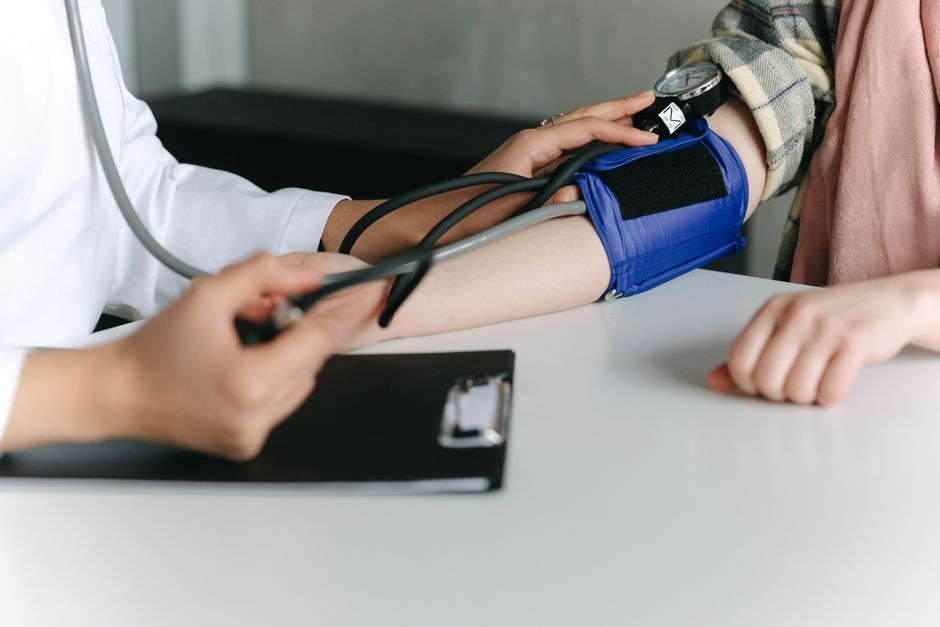
Yes, blood pressure can be higher when you are sick, and for several clear reasons. Illness triggers physical stress, inflammation, and sometimes pain, all of which can cause your heart to beat faster and your blood vessels to narrow. Certain medications used to treat colds and flu can also raise blood pressure. Understanding why this happens helps you know what to expect and when to check in with a doctor.
Why Does Illness Cause Blood Pressure to Spike?
The body treats an infection like an emergency. When you are sick, your immune system releases chemicals called cytokines to fight the invaders. These chemicals cause inflammation, which can make blood vessels stiffer and less flexible. Stiffer vessels mean the heart has to push harder to move blood, which raises the pressure inside the arteries.
Your body also produces more stress hormones when you are ill. Cortisol and adrenaline increase to help you cope, but they also tell your blood vessels to constrict. Narrower blood vessels with the same amount of blood flowing through them always results in higher pressure. This is a normal physical response, not a sign that something is wrong with your heart.
Fever adds another layer. For every degree your body temperature rises, your heart rate increases. A faster heart rate gives the blood less time to settle between beats, which can push systolic pressure higher. Dehydration from sweating, vomiting, or diarrhea reduces blood volume, and the body compensates by tightening blood vessels to maintain flow to vital organs. That tightening raises blood pressure readings too.
Which Illnesses Are Most Likely to Raise Blood Pressure?
Any illness that causes fever, pain, or significant inflammation can raise blood pressure. Respiratory infections like the flu, COVID-19, and pneumonia are common culprits because they cause both fever and lung inflammation. When your lungs are working harder to get oxygen, your heart rate increases, and blood pressure often follows.
Pain is a powerful driver of high blood pressure. Conditions like kidney stones, gallbladder attacks, or severe migraines cause the body to release stress hormones that spike blood pressure quickly. This is often temporary and resolves when the pain is controlled.
Infections that cause vomiting or diarrhea carry a double risk. Fluid loss reduces blood volume, and the stress of being ill raises stress hormones. The combination can produce readings higher than your normal baseline, even though you are losing fluid. Some research suggests that even mild infections can cause blood pressure to remain elevated for several days after symptoms improve.
Can Cold and Flu Medications Raise Blood Pressure?
Yes, and this is one of the most overlooked causes. Many over-the-counter cold medicines contain decongestants like pseudoephedrine or phenylephrine. These drugs work by narrowing blood vessels in your nasal passages to reduce congestion. The problem is they narrow blood vessels throughout your body, not just in your nose.
This effect can raise both systolic and diastolic blood pressure noticeably. People with well-controlled hypertension may see their numbers climb into unhealthy ranges while taking these medications. The effect is usually temporary, lasting only as long as you take the drug, but it can be significant.
Nonsteroidal anti-inflammatory drugs (NSAIDs) like ibuprofen and naproxen can also raise blood pressure. They reduce inflammation and fever effectively, but they cause the body to retain sodium and fluid. This extra fluid increases blood volume, which raises pressure. Acetaminophen is generally considered safer for blood pressure, but it does not reduce inflammation as effectively.
If you have high blood pressure, check the labels on cold and flu products carefully. Many “multi-symptom” formulas combine a decongestant with an NSAID and other ingredients. This combination can have a compounding effect on blood pressure. Some clinicians recommend avoiding decongestants entirely if your blood pressure is not well controlled, but you should discuss this with your doctor before making changes.


Will Blood Pressure Be Higher When Sick Heres Why: The Full Mechanism
The short answer is yes, and the reasons are rooted in basic physiology. Sickness activates the sympathetic nervous system, which is the body’s fight-or-flight response. This system releases norepinephrine and epinephrine. These hormones increase heart rate and constrict blood vessels. Both effects raise blood pressure.
Inflammation independently affects blood pressure. When your immune system fights an infection, inflammatory markers like C-reactive protein rise. Studies have shown that higher levels of systemic inflammation correlate with higher blood pressure readings. This is not just during chronic conditions like rheumatoid arthritis. Even short-term infections trigger this response.
The combination of increased heart rate, narrowed blood vessels, and inflammation creates a perfect storm for elevated readings. Add dehydration or fever, and the numbers climb further. For most healthy people, this elevation is temporary and returns to normal as the illness resolves. For people with existing hypertension, the elevation can be more pronounced and may last longer.
When Should You Be Concerned About Your Blood Pressure While Sick?
A single high reading while you are sick is not usually a medical emergency. Your body is under stress, and the reading reflects that. The concern is when blood pressure stays dangerously high or when it is accompanied by symptoms that suggest a more serious problem.
Symptoms that require immediate medical attention include chest pain, shortness of breath that is not explained by congestion, severe headache, vision changes, confusion, or difficulty speaking. These could indicate a hypertensive crisis or complications from the underlying illness. Do not wait to see if these symptoms improve on their own.
For people with diagnosed hypertension, a reading above 180/120 mmHg is considered a hypertensive crisis and warrants prompt medical evaluation, especially if accompanied by symptoms. For people without a hypertension diagnosis, a reading above that threshold during illness still deserves attention, but context matters. If you are in significant pain or have a high fever, the reading may come down once those issues are treated.
If you take blood pressure medication daily, do not stop taking it just because you are sick. Unless your doctor specifically tells you otherwise, continue your normal medication schedule. Stopping suddenly can cause blood pressure to rebound to dangerous levels. If you are vomiting and cannot keep medication down, contact your doctor for guidance rather than skipping doses on your own.
How to Monitor Blood Pressure Safely During Illness
If you have a home blood pressure monitor, you can track your readings while sick. Take measurements at the same time each day, preferably after sitting quietly for five minutes. Do not take a reading immediately after coughing, climbing stairs, or taking decongestants, as these will artificially elevate the number.
Rest your arm on a flat surface at heart level. Use the correct cuff size, as a cuff that is too small can give falsely high readings. Take two or three readings one minute apart and record the average. Keep a log to share with your doctor if your readings stay elevated after your illness resolves.
Hydration matters. If you have a fever or have been vomiting, drink fluids to maintain blood volume. Water is usually sufficient. Avoid caffeinated beverages, as caffeine can further raise blood pressure and heart rate. If you have heart failure or kidney disease, check with your doctor about how much fluid is safe for you to drink.
How Long Does Blood Pressure Stay Elevated After Being Sick?
For most people, blood pressure returns to baseline within a few days after symptoms resolve. Once the fever breaks, pain subsides, and inflammation decreases, the stress hormones drop and blood vessels relax. Readings taken during the recovery phase may still be slightly higher than normal but should trend downward.
Some research suggests that certain infections, particularly those that cause significant inflammation, may have effects that last longer. Viral infections like influenza can affect the cardiovascular system for weeks after the acute illness passes. This does not mean you will develop permanent high blood pressure, but it does mean your readings may remain elevated while your body fully recovers.
If your blood pressure remains high more than a week after your other symptoms have resolved, contact your doctor. This could indicate that the illness unmasked underlying hypertension you did not know you had, or it could mean your usual blood pressure medication needs adjustment. Either way, a professional evaluation is appropriate rather than assuming it will resolve on its own.
Can Illness Cause Low Blood Pressure Instead?
While this article focuses on high blood pressure, it is important to note that some illnesses cause the opposite. Severe infections can lead to sepsis, a life-threatening condition where blood pressure drops dangerously low. This happens because blood vessels dilate excessively and fluid leaks out of the circulation.
Dehydration alone can cause low blood pressure, especially if you are losing fluids faster than you can replace them. Symptoms of low blood pressure include dizziness, lightheadedness, fainting, and blurred vision. If you experience these symptoms while sick, especially if you cannot keep fluids down, seek medical care.
Certain blood pressure medications can cause low readings during illness. If you take diuretics and develop vomiting or diarrhea, you may become dehydrated and your blood pressure may drop. This is one reason why you should not adjust your medications without consulting a doctor.
Frequently Asked Questions
Is it normal for blood pressure to go up when sick?
Yes, it is normal for blood pressure to rise during illness. Fever, pain, inflammation, and stress hormones all cause blood vessels to narrow and the heart to work harder, which raises readings temporarily.
How much can blood pressure increase during illness?
The increase varies widely depending on the illness and the person. Some people see a rise of 10 to 20 mmHg, while others may see larger spikes, especially if they have existing hypertension or are taking decongestants.
Should I take my blood pressure medication if I am sick?
Yes, continue taking your blood pressure medication as prescribed unless your doctor tells you otherwise. If you are vomiting and cannot keep medication down, contact your doctor for specific instructions.
When should I go to the hospital for high blood pressure while sick?
Seek emergency care if your blood pressure reads above 180/120 mmHg and you have chest pain, severe headache, vision changes, confusion, or shortness of breath. These symptoms may indicate a hypertensive crisis.
