
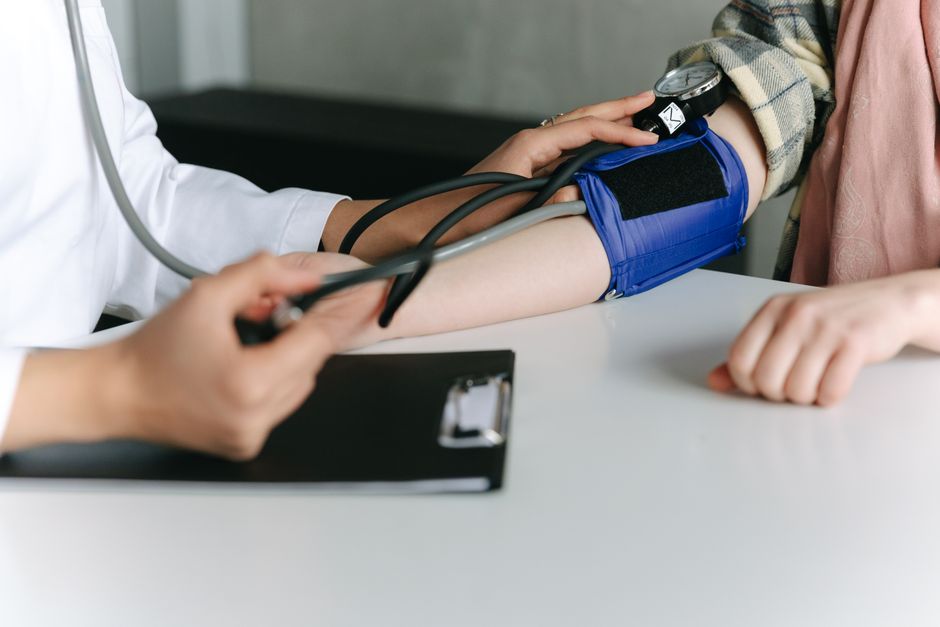
Low blood pressure, called hypotension, is not always a problem. Many people live with it and feel fine. But when it causes dizziness, fainting, or fatigue, it can disrupt daily life. If you need to raise your blood pressure, the most effective strategies involve increasing fluid and salt intake, adjusting how you move and stand, and reviewing your medications with a doctor. These methods work by increasing blood volume or improving circulation. More specific steps depend on why your blood pressure is low and what symptoms you have.
What Counts as Low Blood Pressure?
Blood pressure is measured in millimeters of mercury (mmHg). It has two numbers. The top number is systolic pressure, the force when your heart beats. The bottom number is diastolic pressure, the force when your heart rests between beats.
Most doctors consider blood pressure low when it reads below 90/60 mmHg. But the number alone does not tell the whole story. A reading of 85/55 might be normal for one person and cause symptoms in another.
The bigger concern is how you feel. Dizziness, lightheadedness, blurred vision, nausea, fatigue, or fainting alongside low numbers means the hypotension is affecting you. If you have no symptoms, doctors rarely treat low blood pressure as a condition.
How Can You Increase Your Blood Pressure Quickly?
If you feel faint or dizzy from low blood pressure, a few immediate actions can help. These are short-term fixes, not long-term solutions.
Drink a glass of water quickly. Dehydration reduces blood volume, and replacing fluids can raise pressure within minutes. Water alone may be enough if you are mildly dehydrated.
Eat something salty. Salt draws water into your bloodstream, increasing blood volume. A salty snack like pretzels or crackers can produce a measurable effect within 30 to 60 minutes.
Lie down with your legs elevated above heart level. This position encourages blood return to the heart and brain. If you are sitting, cross your legs and tighten your abdominal muscles. These movements squeeze blood upward from the lower body.
Splash cold water on your face or drink something cold. The sudden temperature change can trigger a temporary rise in blood pressure through nerve reflexes.
What Are the Best Long-Term Diet Changes?
Daily habits matter more than quick fixes for chronic low blood pressure. Diet is the foundation of most treatment plans.
Increase your salt intake. This is the opposite of advice given to people with high blood pressure. For hypotension, adding salt to meals or eating salty foods helps retain fluid. The typical American diet already contains plenty of sodium, so only increase it if your doctor recommends it. Some people need 3,000 to 5,000 mg of sodium daily, but this varies by individual health status.
Drink more fluids. Aim for 8 to 10 glasses of water per day. Proper hydration keeps blood volume adequate. Dehydration is one of the most common reversible causes of low blood pressure.
Eat smaller, more frequent meals. Large meals direct blood flow to your digestive tract. This can cause blood pressure to drop after eating, a condition called postprandial hypotension. Five or six smaller meals spread through the day reduce this effect.
Include foods rich in vitamin B12 and folate. Deficiencies in these nutrients can cause anemia, which lowers blood pressure. Good sources include eggs, fortified cereals, lean meat, leafy greens, and citrus fruits. Ask your doctor to test for these deficiencies before taking supplements.
Consider caffeine in the morning. Caffeine temporarily narrows blood vessels, which can raise blood pressure. A cup of coffee in the morning may help, especially if your blood pressure is lowest after waking. The effect fades with regular use, so it works best as an occasional tool rather than a daily habit.


What Lifestyle Adjustments Help Prevent Sudden Drops?
Many people with low blood pressure experience sudden drops when changing position. This is called orthostatic or postural hypotension. Simple movement strategies can reduce these episodes.
Stand up slowly. When you rise from lying or sitting, give your body time to adjust. Sit on the edge of the bed for a minute before standing. Hold onto a stable surface when you first stand up.
Wear compression stockings. These tight-fitting socks or leggings apply pressure to your legs. This pressure prevents blood from pooling in your lower body and keeps more blood circulating to your heart and brain. They are most helpful for people whose low blood pressure is caused by standing for long periods.
Avoid standing still for extended periods. If you must stand, shift your weight frequently or walk in place. Moving your leg muscles pumps blood back toward your heart.
Limit alcohol. Alcohol dehydrates the body and can lower blood pressure. If you drink, do so in moderation and drink water alongside alcoholic beverages.
Avoid very hot showers or baths. Heat causes blood vessels to widen, which can cause a sudden pressure drop. Use warm water instead and keep the duration short.
When Should You See a Doctor About Low Blood Pressure?
Low blood pressure sometimes signals an underlying medical condition that needs treatment. You should see a doctor if you experience frequent dizziness or fainting, or if your blood pressure drops suddenly.
Medical causes of hypotension include heart problems, endocrine disorders like thyroid disease or adrenal insufficiency, severe infection, and nervous system conditions. Certain medications also lower blood pressure, including some diuretics, alpha-blockers, beta-blockers, and antidepressants.
Your doctor can review your medications to determine if any are causing hypotension. Never stop or adjust a prescription medication on your own. Sudden changes can cause dangerous blood pressure spikes or other complications.
Seek emergency care if low blood pressure comes with chest pain, shortness of breath, severe headache, blurred vision, or loss of consciousness. These symptoms may indicate a more serious condition like internal bleeding, heart attack, or an allergic reaction.
What Medications Are Used to Treat Chronic Low Blood Pressure?
When lifestyle changes are not enough, doctors may prescribe medication. These are reserved for people with persistent symptoms that interfere with daily life.
Fludrocortisone is a corticosteroid that helps your body retain sodium and water. This increases blood volume and raises blood pressure. It requires monitoring for side effects like swelling and low potassium levels.
Midodrine narrows blood vessels, which increases pressure. It is taken as a pill, usually three times daily. It can cause tingling, chills, or goosebumps as side effects.
These medications require a prescription and ongoing medical supervision. They are not first-line treatments. Your doctor will only consider them after diet, hydration, and lifestyle changes have failed to control your symptoms.
Are There Natural Remedies That Actually Work?
Some natural approaches have evidence behind them. Others are popular but lack solid research support.
Licorice root can raise blood pressure. It contains glycyrrhizin, a compound that causes the body to retain sodium and water. This effect is real but can be dangerous. Large amounts can cause high blood pressure, low potassium, and heart rhythm problems. Do not use licorice supplements without medical supervision.
Rosemary essential oil is sometimes suggested for low blood pressure. Some small studies suggest it may have a mild stimulant effect, but no large human trials have confirmed this.
Some herbs marketed for low blood pressure have no reliable evidence behind them. Be cautious with any supplement claiming to treat hypotension. The supplement industry is not regulated the same way as medications, and products can vary widely in content and strength.
No clinical evidence currently confirms that most herbal remedies safely and effectively treat chronic low blood pressure. If you choose to try supplements, tell your doctor. Some herbs interact with prescription medications.
How Does Blood Pressure Change With Age and Pregnancy?
Blood pressure naturally changes across the lifespan. Understanding these patterns helps you know when low readings are typical versus concerning.
Blood pressure tends to rise with age because blood vessels become stiffer. However, some older adults develop a specific type of low blood pressure after eating or when standing. This increases fall risk, so older adults should be especially careful about rising slowly and staying hydrated.
During pregnancy, blood pressure often drops in the first and second trimesters. This is normal because the circulatory system expands to support the growing fetus. Blood pressure usually returns to pre-pregnancy levels after delivery. Pregnant women should discuss any concerning symptoms with their obstetrician rather than self-treating with extra salt or medication.
Frequently Asked Questions
Can drinking more water really raise blood pressure?
Yes, drinking water increases blood volume, which raises blood pressure. The effect can appear within minutes and is most pronounced if you are dehydrated.
Is it safe to add more salt to my diet for low blood pressure?
For most people with low blood pressure, increasing salt is safe and effective, but it is not appropriate for everyone. People with heart failure, kidney disease, or a history of high blood pressure should not increase salt without medical guidance.
How quickly does caffeine raise blood pressure?
Caffeine can raise blood pressure within 30 minutes of consumption. The effect lasts for several hours but diminishes with regular daily use.
Can low blood pressure be a sign of a serious condition?
Yes, sudden or severe low blood pressure can indicate bleeding, infection, heart problems, or endocrine disorders. Seek emergency care if it comes with chest pain, shortness of breath, or fainting.
