

Yes, being sick can cause a temporary increase in your blood pressure. This is a normal response from your body as it fights off an infection or deals with inflammation. The rise is usually not dangerous on its own, but it can be concerning for people who already have high blood pressure or other health conditions. Understanding why this happens and what it means for your health is important for managing both your illness and your blood pressure.
What Causes Blood Pressure to Rise When You Are Sick?
When you get sick, your body launches an immune response. This response involves inflammation, changes in hormone levels, and sometimes a fever. These factors can directly affect your cardiovascular system. Your blood vessels may narrow, and your heart may beat faster, both of which can raise your blood pressure.
Research published in the Journal of the American Heart Association found that even a common cold can lead to a noticeable spike in systolic blood pressure. The body releases stress hormones like cortisol and adrenaline to fight the illness. These hormones signal your heart to pump harder and your blood vessels to tighten. This is a survival mechanism, but it temporarily drives blood pressure up.
Dehydration is another common cause. When you have a fever, vomiting, or diarrhea, you lose fluids. Low fluid volume can make your blood thicker and harder to pump, which raises blood pressure in some cases. In other cases, severe dehydration can actually lower blood pressure, so the effect depends on the specific illness and your body’s response.
Does Being Sick Cause High Blood Pressure in Everyone?
Not everyone experiences a significant rise. The effect is more pronounced in people who already have high blood pressure, are older, or have other chronic conditions like diabetes or kidney disease. Studies from the CDC indicate that acute infections can trigger a temporary hypertensive crisis in vulnerable individuals.
For a healthy person with normal blood pressure, the increase is usually small and goes away once the illness passes. The body is good at regulating itself back to baseline. But if you are already on the edge of hypertension, even a 10 to 15 point spike can push you into a higher risk category for a few days.
Stress and pain also play a role. Being sick is uncomfortable. Pain from a sore throat, headache, or body aches can raise blood pressure. The mental stress of feeling unwell and worrying about recovery adds another layer. These factors combine to make the temporary rise more likely.
How High Can Blood Pressure Go During an Illness?
The increase varies widely. In mild illnesses like a cold, you might see a 5 to 10 point rise in systolic pressure. With more serious infections like the flu or pneumonia, the spike can be 20 points or more. Research from the American College of Cardiology has documented cases where hospitalized patients with severe infections experienced systolic readings above 180 mmHg.
This level is considered a hypertensive emergency if it stays high and causes symptoms like chest pain or shortness of breath. But for most people at home with a mild illness, the rise stays within a safe, temporary range. The key is that it is short-lived. Once the infection clears, blood pressure typically returns to its usual level within a few days to a week.
Fever is a major driver. For every degree Celsius your body temperature rises above normal, your heart rate increases by about 10 beats per minute. This increased cardiac output directly raises blood pressure. If you have a high fever, expect your blood pressure to be higher than usual.
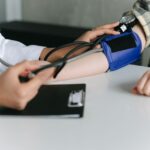
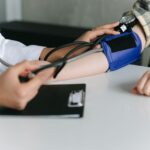

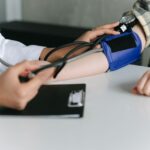
Should You Check Your Blood Pressure When Sick?
It depends on your health history. If you have been diagnosed with hypertension, checking your blood pressure at home during an illness is reasonable. The American Heart Association recommends keeping a log of readings when you are sick so you can share them with your doctor if needed.
If you do not have high blood pressure, checking once or twice out of curiosity is fine, but do not obsess over the numbers. Temporary spikes are normal and do not mean you have developed a chronic condition. Stress and anxiety about the reading itself can make the number go higher, which creates a false picture.
Use a validated home monitor. Sit quietly for five minutes before taking a reading. Do not take it right after coughing, sneezing, or moving around. If your reading is above 180/120 mmHg and you have symptoms like severe headache, vision changes, or chest pain, seek medical help immediately.
What About Medications and Blood Pressure During Illness?
Some over-the-counter cold and flu medications can raise blood pressure. Decongestants like pseudoephedrine and phenylephrine are common culprits. They work by narrowing blood vessels, which helps with nasal congestion but also raises blood pressure. The FDA has warned that these ingredients can cause dangerous spikes in people with hypertension.
Nonsteroidal anti-inflammatory drugs (NSAIDs) like ibuprofen and naproxen can also raise blood pressure. They reduce inflammation but also affect kidney function and fluid balance, which can increase pressure. If you need pain relief while sick, acetaminophen is generally safer for blood pressure, but always follow dosing guidelines.
If you take prescription blood pressure medication, do not stop it when you are sick. Skipping doses can cause your pressure to rebound higher. Some illnesses may affect how your body processes these drugs, so talk to your doctor if you are unsure. Never change your medication routine without medical advice.
How Long Does the Blood Pressure Rise Last After Being Sick?
Most people see their blood pressure return to normal within a few days after the illness resolves. For some, especially those with underlying conditions, it may take up to two weeks. The body needs time to clear inflammation and restore normal hormone levels.
If your blood pressure stays elevated for more than two weeks after you feel better, it is worth discussing with your doctor. This could indicate that the illness uncovered a pre-existing hypertension problem that was previously undetected. A single illness does not cause chronic high blood pressure, but it can reveal it.
Recovery matters. Getting enough rest, staying hydrated, and eating well help your cardiovascular system return to baseline faster. Pushing yourself back to normal activities too soon can keep your blood pressure higher for longer.
When Should You See a Doctor About Blood Pressure and Illness?
See a doctor if your blood pressure stays above 140/90 mmHg for more than a week after your symptoms are gone. Also seek care if you have a history of hypertension and your readings are significantly higher than your usual numbers during an illness.
Go to the emergency room if your blood pressure is above 180/120 mmHg and you have any of these symptoms: chest pain, shortness of breath, severe headache, vision changes, confusion, or nosebleeds. This is a hypertensive emergency and requires immediate treatment.
If you are pregnant and get sick, monitor your blood pressure closely. Pregnancy already puts stress on the cardiovascular system, and illness can compound that risk. The American College of Obstetricians and Gynecologists advises pregnant women to contact their provider if they have any blood pressure concerns during an illness.
| Illness Type | Typical Blood Pressure Change | Duration of Elevation |
|---|---|---|
| Common cold | +5 to 10 mmHg systolic | 2 to 4 days |
| Influenza (flu) | +10 to 20 mmHg systolic | 5 to 10 days |
| Pneumonia | +15 to 25 mmHg systolic | 1 to 2 weeks |
| COVID-19 | +10 to 20 mmHg systolic | 1 to 3 weeks |
| Urinary tract infection | +5 to 15 mmHg systolic | 3 to 7 days |
Common Misconceptions About Being Sick and Blood Pressure
A common myth is that a single high reading during illness means you now have high blood pressure. This is not true. Blood pressure varies throughout the day and is influenced by many factors. A diagnosis of hypertension requires multiple high readings over time, not just during an acute illness.
Another myth is that you should avoid all medications when your blood pressure is high during sickness. This is dangerous. Acetaminophen for fever and antibiotics for bacterial infections are generally safe. The risk of untreated infection is much higher than a temporary blood pressure spike.
Some people believe that drinking extra water will always lower blood pressure during illness. While hydration helps, overhydration can be harmful if you have kidney issues or heart failure. Drink to thirst, not to a specific volume. Your body knows what it needs.
Finally, there is a claim that natural remedies like garlic or hibiscus tea can immediately lower blood pressure during sickness. While some studies suggest these may have mild long-term effects, they do not work fast enough to counteract an acute spike. Rely on medical advice for acute situations, not herbs.
Frequently Asked Questions
Can a cold cause high blood pressure?
Yes, a cold can cause a temporary rise in blood pressure due to inflammation, fever, and stress on the body. The increase is usually small and goes away once the cold resolves.
How long does high blood pressure last after being sick?
It typically lasts a few days to a week after your symptoms improve. If it stays elevated for more than two weeks, see your doctor.
Should I take my blood pressure medication when sick?
Yes, continue taking your prescribed medication unless your doctor tells you otherwise. Skipping doses can cause dangerous blood pressure spikes.
Can cold medicine raise blood pressure?
Yes, decongestants and NSAIDs can raise blood pressure. Check labels and choose acetaminophen for pain relief if you have hypertension.
