
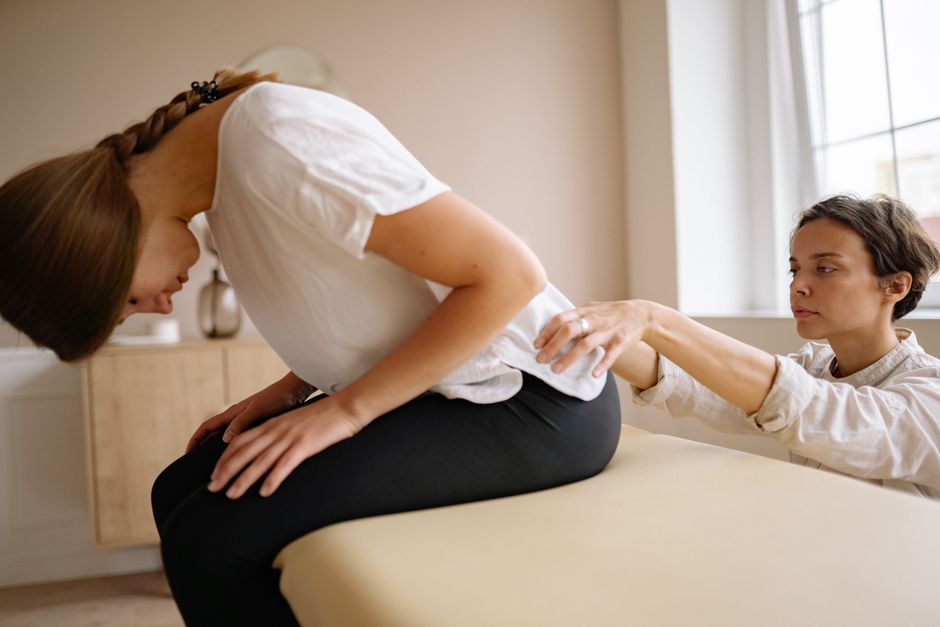
Yes, a UTI can cause back pain. When a urinary tract infection moves from the bladder to the kidneys, it often causes a dull ache or sharp pain in the lower back or side. This is a sign the infection is getting worse and needs medical attention quickly. Not all back pain with a UTI means kidney trouble, but it is a warning sign you should not ignore.
What Does Back Pain From a UTI Feel Like?
UTI-related back pain usually feels different from a pulled muscle or arthritis. People describe it as a dull, constant ache on one side of the lower back, just under the ribs. Sometimes it is a sharper pain that comes and goes.
The pain often stays in one spot rather than moving around. It might get worse when you press on the area or when you move a certain way. Fever, chills, and nausea often come with it if the infection has reached the kidneys.
If your back pain came on suddenly and you also have burning when you pee, you need to see a doctor. That combination is a strong sign of a kidney infection, which is a serious condition.
How Does a UTI Spread to Cause Back Pain?
A UTI starts when bacteria enter the urethra and travel up into the bladder. Most UTIs stay in the bladder and cause symptoms like burning, urgency, and cloudy urine. This is called cystitis.
If the infection is not treated, bacteria can travel further up the ureters and into one or both kidneys. Once the kidneys are infected, you have pyelonephritis. This is when back pain typically starts. The kidneys sit in the back of your body, behind your lower ribs. When they swell and become inflamed, you feel it in your back.
The pain is your body signaling that the infection is no longer contained. Research shows that about 1 in 30 UTIs in women progress to a kidney infection. In older adults and men, the risk can be higher.
Can a UTI Cause Back Pain Without Other Symptoms?
It is possible but not common. Some people, especially older adults, develop a kidney infection with back pain as their only clear symptom. They might not have burning or urgency at all.
This is one reason why unexplained back pain in older adults should always be checked. A simple urine test can tell if an infection is present. Waiting too long can lead to serious complications like sepsis.
In younger adults, back pain from a UTI almost always comes with at least one other symptom. Fever is the most common companion. If you have back pain and a fever with no other explanation, a UTI should be on your list of possibilities.
-
 Where to Put Tens Pads for Lower Back Pain? The Short Answer
 -
Can Lower Back Pain Cause Testicles to Ache? The Short Answer
-
Does Stem Cell Therapy Work for Back Pain? The Short Answer
-
Is a Heat Pack Good for Lower Back Pain? The Short Answer
-
Joint Genesis Reviews 2026: What Complaints Real Users Have!





How Is UTI Back Pain Different From Other Back Pain?
Muscle back pain usually feels better with rest and worse with movement. UTI back pain often stays the same no matter what position you are in. It does not care if you lie down or stand up.
Kidney pain tends to be higher up and more to the side than typical low back pain. It is often felt at the costovertebral angle, which is the spot where your lower ribs meet your spine. Doctors tap on this area to check for kidney infection. If it hurts when tapped, that is a strong sign.
Here is a simple comparison to help you tell them apart:
| Symptom | UTI Back Pain | Muscle Back Pain |
|---|---|---|
| Location | One side, under ribs | Center lower back or both sides |
| Pain type | Dull ache or sharp | Ache, stiffness, or spasm |
| Changes with position | Stays the same | Gets better or worse |
| Fever present | Often yes | No |
| Urinary symptoms | Usually yes | No |
If your back pain matches the left column, do not wait to see a doctor. Kidney infections can become dangerous quickly.
What Should You Do If a UTI Is Causing Your Back Pain?
You need antibiotics. This is not something you can treat at home with cranberry juice or water. A kidney infection requires prescription medication, usually a 7 to 14 day course of oral antibiotics.
If the infection is severe, you might need IV antibiotics in a hospital. Signs of severe infection include a fever over 101°F, vomiting, confusion, or severe pain that does not improve with over-the-counter pain relievers.
While you wait for treatment, you can do a few things to feel better:
- Drink plenty of water to help flush bacteria from your urinary tract
- Take acetaminophen for fever and pain, but check with your doctor first
- Use a heating pad on low heat over the painful area for short periods
- Rest until the fever breaks and pain improves
Do not take ibuprofen or other NSAIDs without asking your doctor. Some research suggests NSAIDs might mask symptoms or interfere with kidney function during an active infection.
Can a UTI Cause Back Pain That Comes and Goes?
It can, but that does not mean the infection is clearing up on its own. Some people notice their back pain fades for a few hours and then returns. This pattern often means the infection is still active and your body is fighting it in waves.
Current research suggests that intermittent back pain with a UTI is still a sign of kidney involvement. The pain might ease when your body temporarily controls the inflammation, but the bacteria are still there. Without antibiotics, the pain will keep coming back.
If your back pain comes and goes but you also have low-grade fever, fatigue, or changes in urination, get tested. A urine culture is the only way to know for sure if bacteria are present.
Common Misconceptions About UTI and Back Pain
Many people think back pain from a UTI means they already have kidney damage. That is not true. Pain means inflammation, not permanent damage. Most people recover fully with prompt treatment.
Another common myth is that drinking more water can cure a kidney infection. Water helps prevent UTIs and can support treatment, but it cannot kill bacteria once they reach the kidneys. You still need antibiotics.
Some people believe that only women get UTIs that cause back pain. Men do get them, though less often. When men get a kidney infection, it can be more serious because the infection often comes from a blockage or another underlying issue. As of 2026, current research shows that UTIs in older men are on the rise and should be taken seriously.
What to Avoid When You Have UTI Back Pain
Do not try to wait it out. Back pain from a UTI will not go away on its own. The longer you wait, the harder the infection is to treat.
Do not use strong painkillers that mask the pain without treating the cause. Opioids are not appropriate for UTI pain and can hide symptoms that tell your doctor how serious the infection is.
Do not rely on home remedies. Cranberry, vitamin C, and probiotics are not treatments for an active kidney infection. They might help prevent future UTIs, but they will not stop a current one from getting worse.
Do not skip doses of your antibiotics. Even if you feel better in two days, finish the full course. Stopping early is the main reason UTIs come back and become resistant to treatment.
Frequently Asked Questions About a uti cause back pain
Can a UTI cause back pain without a fever?
Yes, but it is less common. Some people develop kidney infections with back pain as their only symptom, especially older adults.
How long does back pain last from a UTI?
Back pain usually improves within 24 to 48 hours after starting antibiotics. It can take up to a week to fully disappear.
Can a UTI cause lower back pain on both sides?
Yes, if both kidneys are infected. This is more serious and requires immediate medical attention.
Is UTI back pain worse at night?
Some people report worse pain at night, likely because they are lying still and more aware of the discomfort. The infection itself does not change with time of day.
