
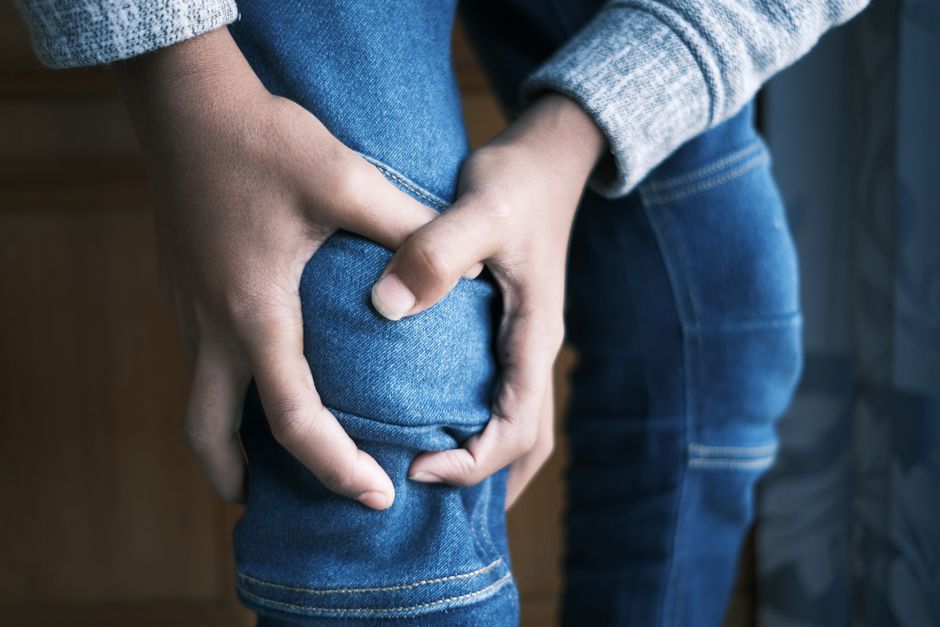
Yes, interstitial cystitis (IC) can cause back pain, but it is not a direct symptom of the bladder condition itself. The pain usually comes from how the body reacts to chronic bladder inflammation, including muscle tension, nerve pathways, and referred pain patterns. Research published in the Journal of Urology has found that up to 40% of people with IC report some form of back or flank pain. Understanding why this happens and what you can actually do about it is more useful than chasing another supplement that promises a cure.
What Is the Connection Between Interstitial Cystitis and Back Pain?
The bladder and the lower back share nerve pathways. When your bladder is inflamed, the nerves that serve it also connect to muscles, skin, and tissues in your lower back and pelvis. This is called referred pain. Your brain gets confused about where the signal is coming from and interprets it as back pain.
There is also the physical toll of living with IC. When you are in pelvic pain all day, you change how you sit, stand, and move. You might tense your lower back muscles without realizing it. Over weeks and months, this creates chronic muscle tightness and trigger points that feel like back pain but started because of your bladder.
Some studies suggest that people with IC also have higher rates of pelvic floor dysfunction. The pelvic floor muscles attach to your tailbone and lower spine. When those muscles are too tight or too weak, they pull on your back. This is not a mental issue. It is a mechanical one.
Can Interstitial Cystitis Cause Back Pain on Its Own Without Other Symptoms?
It is rare for back pain to be the only symptom of IC. Most people with IC also have bladder pain, urinary urgency, or frequency. If you have back pain but no bladder symptoms at all, IC is unlikely to be the cause.
That said, some people experience what doctors call a “silent” flare. The bladder inflammation is there, but the usual burning or pressure is mild. The body still sends pain signals through shared nerves, and those signals land in the back. This is not common, but it happens.
If your back pain is your main complaint and you have never had bladder issues, look at other causes first. Kidney stones, urinary tract infections, muscle strains, and spinal problems are all more likely. A urologist can help rule those out with simple tests.
What Does Research Say About Interstitial Cystitis Causing Back Pain?
The research is clear that back pain is a common complaint in IC patients, but it is not considered a core symptom. The American Urological Association lists IC symptoms as bladder pain, pressure, and urinary frequency. Back pain is not in their official criteria.
However, a 2018 study in the journal Urology found that 38% of women with IC reported lower back pain compared to 12% of women without IC. The researchers noted that the back pain was often on the same side as the bladder pain. This supports the idea of referred pain and nerve overlap.
Another study from the International Urogynecology Journal looked at pain patterns in IC patients. They found that back pain was more common in people who had IC for more than two years. This suggests that chronic inflammation and compensation patterns build up over time.
The evidence is strong enough that doctors should ask about back pain when diagnosing IC. But it is not strong enough to say that back pain alone proves you have IC.





How Can You Tell If Your Back Pain Is From IC or Something Else?
This is where a little detective work helps. The table below compares IC-related back pain with other common causes.
| Feature | IC-Related Back Pain | Muscle Strain | Kidney Stone | Spinal Issue |
|———|———————|—————|————–|————–|
| Location | Lower back, often one side | Lower or mid back | One side, sharp | Center back or leg |
| Timing | Worse during bladder flares | Worse with movement | Comes in waves | Worse sitting or standing |
| Other symptoms | Bladder pain, urgency | Muscle tenderness | Blood in urine | Numbness in leg |
| What helps | Bladder treatment, stretching | Rest, ice | Pain meds, water | Physical therapy |
If your back pain gets worse when your bladder symptoms flare, IC is likely involved. If your back pain is constant and your bladder feels fine, look elsewhere.
A simple test: press gently on your lower abdomen near your bladder. If that triggers or worsens your back pain, the connection is probably real. If pressing your back directly hurts more, the problem is more likely muscular or skeletal.
What Actually Helps IC-Related Back Pain?
Treating the bladder usually helps the back pain too. When the bladder inflammation calms down, the nerve signals quiet down, and the referred pain stops. This is why the first step is always managing IC itself.
Common IC treatments that can also reduce back pain include:
- Pelvic floor physical therapy – A trained therapist releases tight muscles in the pelvis and lower back. Many people find this helps more than painkillers.
- Bladder instillations – A doctor puts a solution directly into your bladder. This can reduce inflammation and the nerve signals that cause referred back pain.
- Oral medications like amitriptyline or hydroxyzine – These calm nerve signals and can reduce both bladder and back pain.
- Dietary changes – Avoiding acidic foods, caffeine, and alcohol can reduce bladder flares and the back pain that comes with them.
- Heat therapy – A heating pad on your lower back relaxes tense muscles. It does not treat the bladder, but it helps the compensation pain.
Some people report relief with gentle stretching. Cat-cow poses, child’s pose, and knee-to-chest stretches can loosen the lower back. But do not force any stretch that hurts your bladder area.
What Should You Avoid When Treating IC Back Pain?
Avoid strong back manipulations during a bladder flare. Chiropractic adjustments or deep tissue massage on the lower back can sometimes trigger more bladder pain. The nerves are already irritated, and adding pressure can make things worse.
Avoid relying on NSAIDs like ibuprofen or naproxen every day. They can irritate the bladder lining and make IC worse over time. The National Institute of Diabetes and Digestive and Kidney Diseases warns that long-term NSAID use may worsen IC symptoms in some people.
Avoid the mindset that back pain means something is structurally wrong. Many people with IC get MRIs and X-rays that show nothing. The pain is real, but it comes from nerve signals and muscle tension, not a slipped disc. Chasing surgical solutions for this type of pain usually leads to more frustration.
When Should You See a Doctor for IC-Related Back Pain?
See a doctor if your back pain is new, severe, or different from your usual IC pain. This could mean a kidney infection, kidney stone, or a separate spine problem. The CDC reports that kidney infections are more common in people with IC because of repeated urinary tract issues.
See a doctor if you have fever, chills, or nausea along with back pain. These are signs of infection, not IC.
See a doctor if the pain stops you from sleeping or doing daily activities. Chronic pain can be managed, but it takes a team. A urologist, a pelvic floor physical therapist, and sometimes a pain specialist can work together.
Most people with IC do not need surgery or strong opioids for back pain. But if your quality of life is dropping, do not suffer silently. There are treatments that work, even if none of them are perfect.
Frequently Asked Questions
Can interstitial cystitis cause lower back pain on both sides?
Yes, it can cause pain on both sides, though one side is more common. The pain is usually dull and achy rather than sharp.
Does IC back pain get worse after eating certain foods?
Yes, foods that irritate the bladder often make back pain worse too. Acidic foods, caffeine, and alcohol are common triggers.
How long does IC back pain usually last during a flare?
It can last from a few hours to several days. The pain typically fades once the bladder flare settles down.
Can pelvic floor therapy help IC back pain?
Yes, pelvic floor therapy is one of the most effective treatments for IC-related back pain. It releases muscle tension and calms the nerve signals.
