
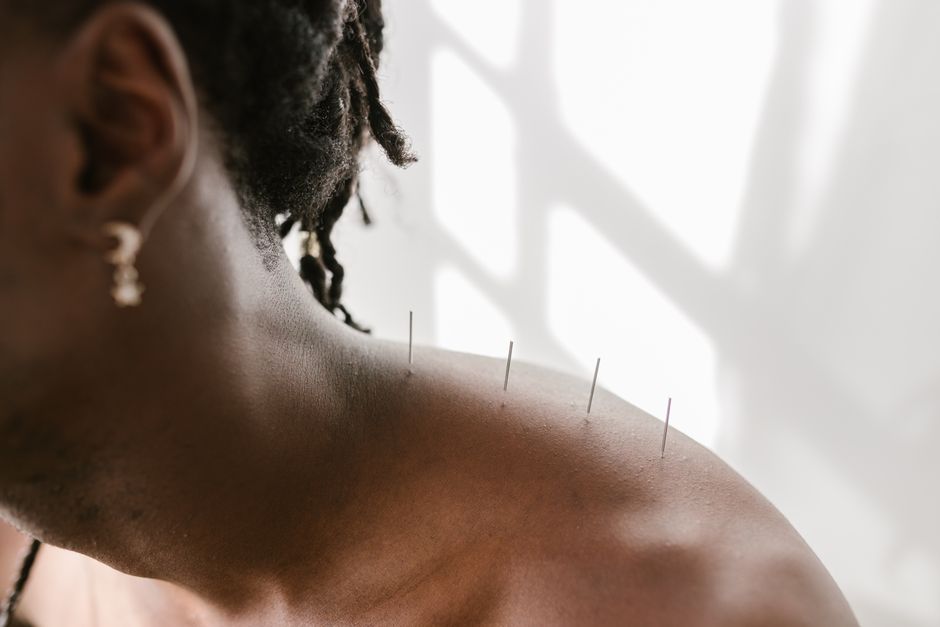
Many people feel a sharp pinch when they reach overhead or struggle to sleep on a sore shoulder and wonder if they need surgery. The short answer is yes, a rotator cuff tear can heal by itself, but only in specific situations. Small partial tears and tendon strains often improve with rest and physical therapy. Larger tears, especially full-thickness tears, rarely close on their own and may require medical treatment. The outcome depends heavily on the size of the tear, your age, and how soon you start the right kind of care.
What Exactly Is the Rotator Cuff?
The rotator cuff is a group of four muscles and their tendons that wrap around the ball of your shoulder joint. These muscles — the supraspinatus, infraspinatus, teres minor, and subscapularis — work together to keep the upper arm bone centered in the shoulder socket. They also help you rotate your arm and lift it away from your body.
Tendons attach muscle to bone. When a tendon in the rotator cuff tears, it can pull away from the bone partially or completely. A partial tear means the tendon is damaged but still connected. A full-thickness tear means the tendon has pulled completely off the bone.
The blood supply to these tendons matters more than most people realize. Tendons have poor blood flow compared to muscles. The supraspinatus tendon, the one most commonly torn, has a particularly weak blood supply near its attachment point. This limited circulation is a major reason why some tears struggle to heal on their own.
Can A Rotator Cuff Heal By Itself?
Some rotator cuff injuries heal without surgery, but this is not a simple yes or no answer. Small partial tears and tendon inflammation, called tendinopathy, frequently improve with conservative care. Rest, activity modification, and physical therapy give the tendon time to repair itself.
Full-thickness tears are a different story. Once a tendon has completely detached from the bone, it cannot reattach on its own. The gap between the torn tendon and the bone does not close spontaneously. Scar tissue may form, but scar tissue does not have the same strength or function as healthy tendon tissue.
Research consistently shows that many people with full-thickness tears can still function well without surgery. The tear does not heal, but the surrounding muscles can compensate. Studies have found that a significant number of people over 60 have rotator cuff tears on imaging scans with no symptoms at all. This tells us that a tear itself does not always cause pain or disability.
The key distinction is between healing the tendon and managing the symptoms. A small tear may heal. A large tear will not heal, but you may still recover your strength and range of motion through rehabilitation.
What Factors Determine Whether Healing Happens?
Tear size is the single most important factor. Partial tears that involve less than half the tendon thickness have the best chance of healing without intervention. Larger partial tears and complete tears have a much lower chance of closing on their own.
Age plays a significant role. Younger people have better blood flow and cellular repair mechanisms. Their tendons are more likely to heal. Older adults have more degenerative changes in their tendon tissue, which reduces the healing potential. This is not age discrimination — it is biology.
The cause of the tear matters too. An acute tear from a sudden injury, like falling on an outstretched arm, may heal differently than a chronic tear that developed slowly from years of wear and tear. Chronic tears often involve frayed, degenerated tissue that has less capacity for repair.
Your activity level and overall health also influence healing. Smoking impairs blood flow and slows tendon healing. Diabetes and other conditions that affect circulation can also reduce the chances of spontaneous recovery.


How Do You Know If Your Tear Can Heal Without Surgery?
Your doctor will start with a physical exam. They will test your shoulder strength, range of motion, and pain levels. Specific tests can help identify which rotator cuff tendon is involved and whether the tear is likely partial or complete.
Imaging is often necessary for an accurate diagnosis. An ultrasound or MRI can show the exact size and location of the tear. These images also reveal whether the tendon has retracted, meaning it has pulled back toward the muscle belly. A retracted tendon is far less likely to heal on its own.
Your doctor will also consider your functional demands. A young athlete who throws overhead needs a fully functioning rotator cuff. An older person with a sedentary lifestyle may do just fine with a tear that does not heal, as long as pain is controlled and basic daily activities are possible.
There is no single test that predicts whether a specific tear will heal. The decision to pursue conservative treatment versus surgery is made on an individual basis, weighing all these factors together.
What Does Conservative Treatment Look Like?
Conservative treatment does not mean doing nothing. It means a structured approach to give the tendon the best chance to heal.
The first phase involves reducing pain and inflammation. This may include rest from aggravating activities, ice application, and over-the-counter anti-inflammatory medications like ibuprofen. A short period of relative rest is appropriate, but complete immobilization for more than a few days is generally not recommended. Prolonged immobilization leads to stiffness and muscle weakness that can be harder to reverse than the original injury.
Physical therapy is the cornerstone of conservative treatment. A therapist will guide you through exercises that strengthen the muscles around the shoulder, improve posture, and restore range of motion. The goal is not just to heal the tendon but to improve how the entire shoulder joint functions.
Strengthening the rotator cuff muscles themselves and the larger muscles around the shoulder blade helps take pressure off the injured tendon. Better mechanics mean less stress on the damaged area during daily activities.
The timeline for conservative treatment is not quick. Most people need several months of consistent therapy before they see meaningful improvement. Some studies suggest that six months to a year of rehabilitation is often needed to determine whether surgery will be necessary.
When Is Surgery the Better Option?
Surgery is not the first choice for most rotator cuff tears, but it is clearly the right choice in certain situations.
Large full-thickness tears in young, active patients are often treated surgically. The goal is to reattach the tendon to the bone before the tissue quality degrades further. Waiting too long in these cases can make the tear irreparable because the tendon retracts and atrophies.
Acute traumatic tears in otherwise healthy shoulders are also frequently repaired surgically. If a healthy tendon tears suddenly in a young person, surgery within a few weeks or months gives the best chance of restoring full function.
People who do not improve after several months of conservative treatment may be candidates for surgery. Persistent pain and weakness despite good rehabilitation suggest that the tear itself is the problem, not just the surrounding muscle weakness.
Surgical repair involves anchoring the tendon back to the bone. Most procedures are done arthroscopically, using small incisions and a camera. Recovery takes several months, and the success rate is generally high for appropriate candidates.
However, surgery is not a guaranteed cure. The repaired tendon can re-tear, especially in older patients or those who return to heavy activity too soon. The decision to operate should be made carefully, with realistic expectations about the recovery process.
What Happens If You Leave a Tear Untreated?
Some people choose not to pursue any treatment for a rotator cuff tear. This is a valid option in certain cases, but it comes with risks.
Without treatment, a small partial tear may heal or may progress to a larger tear. There is no way to predict which direction it will go. Repeated stress on a weakened tendon can cause the tear to enlarge over time.
A full-thickness tear that goes untreated can lead to muscle atrophy. When a tendon is detached, the muscle it connects to stops receiving the normal tension that keeps it healthy. Over months and years, the muscle can shrink and accumulate fat. This process is often irreversible.
Untreated tears can also lead to other shoulder problems. The altered mechanics of the shoulder can cause impingement, bursitis, or arthritis in the joint. These secondary conditions can be more painful and harder to treat than the original tear.
That said, many people live with rotator cuff tears for years without significant problems. The tear does not heal, but it also does not get worse. Regular exercise and maintaining shoulder strength can help compensate for the damaged tendon.
How Long Does Healing Take?
There is no fixed timeline for rotator cuff healing. It depends on the severity of the injury and the treatment approach.
For small partial tears treated conservatively, noticeable improvement often occurs within six to twelve weeks. Full recovery of strength and function may take six months or longer. The tendon tissue itself takes many months to remodel and gain strength.
After surgery, the tendon needs roughly six to eight weeks to heal to the bone. Full recovery, including return to sports or heavy lifting, typically takes six to twelve months. The repaired tendon continues to strengthen for up to a year after surgery.
Pain often improves before strength returns. Do not mistake pain relief for full healing. Returning to heavy activity too soon can re-injure the tendon, whether it healed on its own or was repaired surgically.
What Can You Do to Protect Your Shoulder?
Prevention is always better than treatment. Maintaining strong shoulder muscles helps protect the rotator cuff from injury.
Regular strength training that includes the rotator cuff muscles is important, especially as you age. Simple exercises with resistance bands or light weights can keep these small muscles strong. The external rotators, which rotate your arm outward, are often neglected and particularly vulnerable.
Good posture matters more than most people realize. Rounded shoulders from prolonged desk work put the rotator cuff tendons in a compromised position. Improving posture can reduce the stress on these tendons during everyday activities.
Listen to your body. Shoulder pain that persists for more than a few weeks deserves attention. Early intervention, even just modifying your activities, can prevent a small problem from becoming a large tear.
Frequently Asked Questions
Can a rotator cuff heal without surgery?
Yes, small partial tears and tendon strains can heal with rest and physical therapy. Full-thickness tears cannot reattach to the bone on their own, but symptoms can still improve with conservative care.
How long does a rotator cuff take to heal naturally?
Noticeable improvement often occurs within six to twelve weeks for small tears. Full recovery of strength can take six months or longer.
What happens if you don’t fix a torn rotator cuff?
The tear may stay the same, or it may enlarge over time. Untreated full-thickness tears can lead to muscle atrophy and secondary shoulder problems like impingement or arthritis.
How do I know if my rotator cuff tear needs surgery?
Imaging tests like MRI or ultrasound show the size and location of the tear. Surgery is more likely recommended for large tears in young, active patients or when conservative treatment fails to improve symptoms after several months.
