
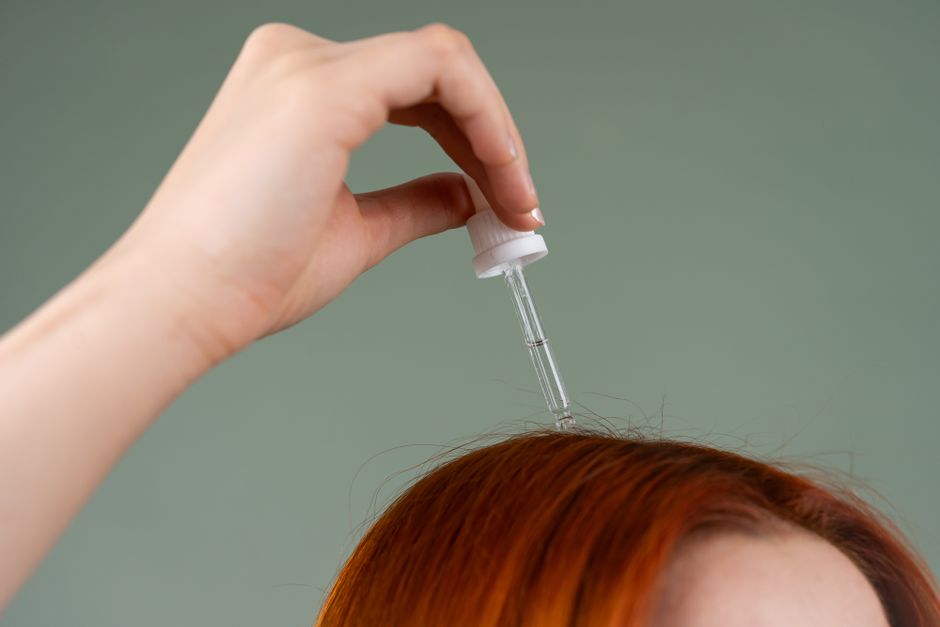
Scabs on the scalp are the body’s natural bandage. They form when a wound, irritation, or skin condition damages the top layer of skin, and blood platelets clot to stop bleeding and seal the area. Healing them involves two main steps: treating the underlying cause and leaving the scab alone so new skin can grow. Depending on the cause, treatment ranges from simple moisturizing and anti-itch shampoos to prescription medications for infections or inflammatory conditions.
What Causes Scabs on the Scalp?
Scabs are a symptom, not a condition themselves. Something caused the skin to break, and that something needs to be addressed or the scab will keep coming back. The most common causes fall into a few clear categories.
Seborrheic dermatitis is one of the most frequent culprits. This is a chronic inflammatory condition linked to an overgrowth of yeast that naturally lives on the skin. It causes flaking, greasy scales, and itching. When people scratch those areas, the skin breaks and scabs form. In infants, this is called cradle cap, but adults can have it too, often on the scalp, face, and chest.
Psoriasis is another common cause. This autoimmune condition speeds up skin cell turnover, causing thick, silvery plaques. On the scalp, these plaques can crack and bleed, especially when scratched or picked. The scabs that form are often mistaken for dandruff, but they are thicker and more persistent.
Contact dermatitis happens when the scalp reacts to a product. Hair dye, shampoo, conditioner, or styling products can trigger an allergic reaction or irritation. The skin becomes red, itchy, and sometimes blistered. Scratching those blisters leads to scabbing.
Folliculitis is an infection of the hair follicles, usually bacterial but sometimes fungal. It looks like small, red bumps or pustules that can be tender. When these break open or are scratched, they crust over.
Less common causes include head lice, which cause intense itching and scratching, and impetigo, a highly contagious bacterial skin infection that causes honey-colored crusts. In rare cases, a scab that does not heal or keeps bleeding could be a sign of skin cancer, specifically squamous cell carcinoma or basal cell carcinoma.
Physical habits matter too. Repeated scratching, picking, or using harsh combs can damage the scalp even when no underlying skin condition exists. This is sometimes called excoriation, and it can become a cycle: the scab itches as it heals, you scratch it, and it reopens.
How Are Scalp Scabs Diagnosed?
A doctor can usually identify the cause by looking at the scalp. The appearance of the scab and the surrounding skin gives strong clues. Seborrheic dermatitis looks greasy and yellowish. Psoriasis looks thick and silvery. Folliculitis looks like small, pus-filled bumps.
If the diagnosis is not clear, a doctor may take a skin scraping to examine under a microscope. This can confirm a fungal infection or identify yeast overgrowth. In rare cases, a biopsy may be needed. This involves removing a small piece of skin for laboratory analysis, usually only when skin cancer is suspected or when the condition does not respond to treatment.
How To Heal Scabs On Scalp: Causes And Treatments
Healing starts with stopping the damage. A scab is a protective layer. It needs to stay in place while new skin forms underneath. Removing it early reopens the wound, increases the risk of infection, and often leads to scarring or permanent hair loss in that spot.
Here are the steps that matter most:
- Stop scratching and picking. This is the single most important step. Cover the area with a hat or keep nails short to reduce damage.
- Wash gently. Use a mild, fragrance-free shampoo. Warm water, not hot. Gently massage the scalp with fingertips, never nails.
- Moisturize the scalp. Dry skin makes itching worse. A lightweight, non-comedogenic moisturizer or scalp oil can help.
- Treat the underlying condition. A scab from seborrheic dermatitis will not heal permanently until the yeast overgrowth is controlled. A scab from psoriasis needs anti-inflammatory treatment.
For seborrheic dermatitis, over-the-counter shampoos containing zinc pyrithione, selenium sulfide, or ketoconazole are first-line options. These reduce the yeast that drives the inflammation. Use them two to three times per week, leaving them on the scalp for a few minutes before rinsing. If these do not work, a doctor can prescribe a stronger ketoconazole shampoo or a topical steroid to reduce inflammation.
For psoriasis, treatments aim to slow skin cell turnover and reduce inflammation. Topical corticosteroids are commonly prescribed. Vitamin D analogs, such as calcipotriene, are also used. Salicylic acid shampoos can help soften and remove thick scales, but they should be used carefully because they can irritate broken skin.
For contact dermatitis, the first step is identifying and stopping the offending product. A patch test by a dermatologist can pinpoint the allergen. Once the irritant is removed, the skin usually heals on its own. Cool compresses and topical hydrocortisone can reduce itching while it heals.
For folliculitis, treatment depends on the cause. Bacterial folliculitis may require an antibiotic wash or oral antibiotics. Fungal folliculitis requires antifungal treatment. Warm compresses can help draw out pus and relieve discomfort.
For head lice, over-the-counter permethrin or pyrethrin treatments are effective for most cases. Prescription options exist for resistant lice. The itching can last for a week or two after the lice are gone, even after the scabs heal.
For impetigo, a doctor will typically prescribe a topical antibiotic like mupirocin. Oral antibiotics may be needed for widespread cases. Impetigo is contagious, so avoid sharing towels, combs, or pillows until it clears.



How Long Does It Take for a Scalp Scab to Heal?
A superficial scab from minor scratching usually heals in 5 to 7 days. Deeper wounds or scabs from inflammatory conditions can take two weeks or longer. The scalp has good blood flow, which supports healing, but the hair and constant movement of the skin can slow the process.
If a scab does not heal within two weeks, grows larger, or keeps bleeding, see a doctor. These are signs that the underlying cause is not being treated or that the wound is infected. Signs of infection include increasing redness, warmth, swelling, pain, or yellow or green discharge.
What Not To Do When Healing Scalp Scabs
Some common advice is wrong. Do not scrub scabs to make them cleaner. The scab is not dirt; it is a protective seal. Scrubbing removes it and restarts the healing clock.
Do not apply harsh chemicals directly to scabs. This includes undiluted tea tree oil, witch hazel, or rubbing alcohol. These can damage the fragile new skin forming underneath and make inflammation worse. Tea tree oil, in particular, is a common home remedy, but it is a potent irritant when used undiluted, and allergic reactions are not rare.
Do not cover the scab with heavy oils or ointments unless a doctor recommends it. Occlusive products can trap moisture and bacteria, increasing the risk of infection. If the scalp is dry, a light, water-based moisturizer is safer.
Do not ignore a scab that keeps returning in the same spot. Recurrent scabbing in one area is a red flag. It may indicate a persistent skin condition, an untreated infection, or, rarely, skin cancer. A dermatologist should evaluate any spot that does not heal.
When To See a Doctor
Most scalp scabs are not emergencies. But certain situations warrant medical attention.
See a doctor if the scab:
- Does not heal after two weeks of gentle care
- Keeps bleeding or weeping fluid
- Shows signs of infection, like spreading redness, warmth, or pus
- Is accompanied by fever or swollen lymph nodes
- Changes in size, shape, or color
- Is painful or tender to the touch
Also see a doctor if the scabs are widespread, if you have a weakened immune system, or if the underlying cause is unknown. A dermatologist can provide an accurate diagnosis and prescribe treatments that over-the-counter products cannot match.
Hair loss around a scab is another reason to seek care. If the hair follicle is damaged by repeated scratching or infection, the hair may not regrow. Early treatment can prevent permanent thinning in that area.
Frequently Asked Questions
Can I pick a scab off my scalp?
No. Picking removes the protective layer and reopens the wound, increasing infection risk and the chance of scarring or permanent hair loss.
What is the fastest way to heal a scalp scab?
Leave it alone and treat the underlying cause. Gentle washing, moisturizing, and avoiding scratching are the fastest ways to let the skin repair itself.
Can dandruff cause scabs on the scalp?
Yes. Dandruff itself is flaking, but the itching it causes can lead to scratching, which breaks the skin and forms scabs.
Should I put hydrogen peroxide on a scalp scab?
No. Hydrogen peroxide can damage healthy cells and slow healing. Plain soap and water are sufficient for cleaning, and the scab should be left intact.
