
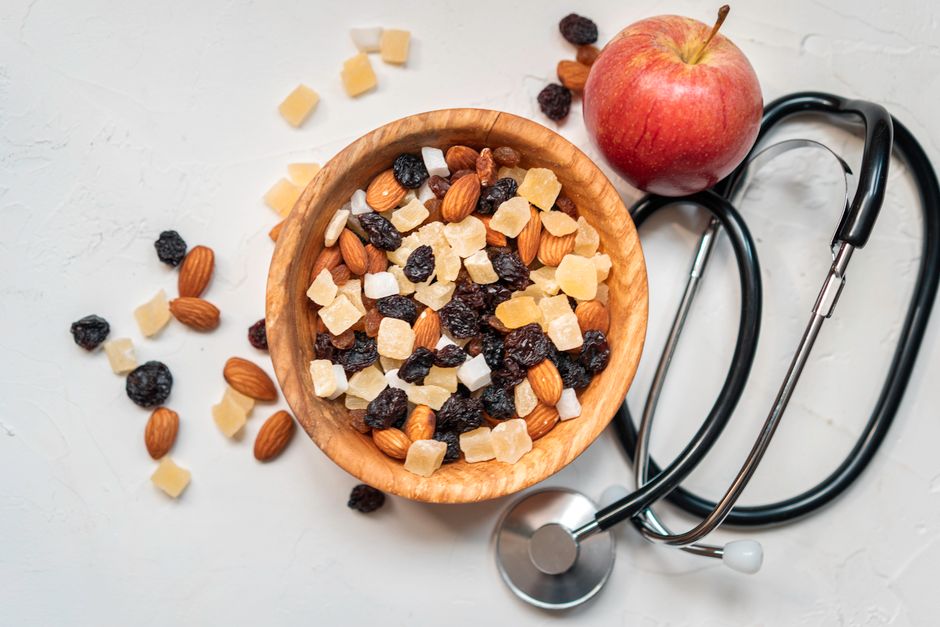
Most fruit snacks are not healthy. They are processed products made with fruit concentrate, added sugar, and little fiber. A few types, like dried fruit without added sugar, can be part of a balanced diet in small amounts. But the brightly colored gummies and fruit rolls marketed to kids are closer to candy than to real fruit.
What Exactly Are Fruit Snacks?
The term “fruit snacks” covers many products. Common types include fruit gummies, fruit leathers (like Fruit Roll-Ups), fruit bars, freeze-dried fruit, and dried fruit. The ingredients vary widely. Many fruit snacks use fruit juice concentrate or fruit puree as a base. But they also add sugar, corn syrup, gelatin, pectin, and artificial colors and flavors.
Some products are labeled “made with real fruit.” That means they contain some fruit ingredient, but it is often a small amount. The first ingredient is usually sugar or a sugar syrup. Check the ingredient list. If sugar appears before any fruit ingredient, the snack is mostly sugar.
Dried fruit without added sugar is the closest to whole fruit. But even dried fruit has concentrated sugar and can be sticky on teeth. Freeze-dried fruit has no added sugar and retains some fiber and vitamins. However, most fruit snacks on the market are not these types.
How Do Fruit Snacks Compare to Whole Fruit?
Whole fruit (apples, oranges, berries, bananas) provides fiber, vitamins, and water. The fiber in whole fruit slows down sugar absorption and helps with fullness. Fruit snacks, especially gummy types, have very little fiber. They also have much higher sugar density per gram.
For example, a medium apple has about 25 grams of sugar and 4.5 grams of fiber. A typical fruit gummy packet has 11 grams of sugar and zero fiber. The sugar in whole fruit comes naturally with fiber and water. In processed fruit snacks, sugar is often added in the form of high-fructose corn syrup or cane sugar.
Many fruit snacks also use fruit juice concentrate. While juice concentrate counts as “fruit,” it lacks the fiber of whole fruit. The American Academy of Pediatrics recommends limiting fruit juice for children because it contributes to excess sugar intake without fiber. Fruit snacks with fruit juice concentrate have the same problem.
Some studies suggest that eating whole fruit reduces the risk of heart disease and diabetes, while drinking fruit juice may increase risk. No large human trial has directly compared processed fruit snacks to whole fruit, but the nutritional differences are clear. Whole fruit is always the better choice.
Are Fruit Snacks Healthy for Kids?
For children, fruit snacks are not a healthy choice. They are marketed as a convenient, fun snack, but nutritionally they are similar to candy. Most fruit snacks for kids contain about 9 to 12 grams of added sugar per serving. The American Heart Association recommends that children aged 2 to 18 consume less than 25 grams of added sugar per day. A single pouch of fruit snacks can supply nearly half of that limit.
The sticky texture of fruit snacks also risks dental health. The sugar and acids cling to teeth, increasing the risk of cavities. Whole fruit, like apple slices or berries, are less sticky and also provide beneficial fiber and water that rinse the mouth.
Some parents choose fruit snacks because they think they are a fruit serving. But no national dietary guideline considers fruit snacks as a replacement for whole fruit. The USDA’s MyPlate recommends whole fruits, not processed fruit products. The evidence does not support fruit snacks as a healthy component of children’s diets.





What Should You Look for in a Healthier Fruit Snack?
If you choose to buy fruit snacks, not all are equal. Here are the key things to check:
- Ingredient list: Look for fruit listed as the first ingredient, not sugar or syrup. Ideally, the only ingredient is fruit.
- Added sugar: Many fruit snacks have added sugars. Check the label for “added sugars.” Choose options with 0 grams added sugar.
- Fiber content: Whole fruit has fiber. If the snack has 0 or 1 gram of fiber, it lacks the benefit of whole fruit. Better options may have 2 grams or more.
- Portion size: Even a “healthy” fruit snack like dried mango often comes in a small portion that still contains a lot of sugar. Stick to one serving.
Freeze-dried fruit pieces (without added sugar) are a reasonable option. They retain fiber and vitamins, and they are crunchy rather than sticky. Some fruit bars made with whole dates and nuts also provide more fiber and less sugar. But always read the label. Many “fruit and nut bars” still contain added sugar or chocolate.
No clinical guidelines currently exist specifically for fruit snacks. General dietary advice is to limit processed foods, including those with added sugars. The healthiest fruit snack is whole fruit.
Are Fruit Snacks Healthy? The Honest Bottom Line
Most fruit snacks are not healthy. They are processed, low in fiber, and high in added sugar. They do not provide the same nutritional benefits as whole fruit. A few exceptions — like dried fruit without added sugar or freeze-dried fruit — are better but still should be eaten in moderation because of concentrated sugar. Marketing claims like “made with real fruit” do not mean a product is good for you.
The evidence consistently shows that diets high in added sugar are linked to obesity, type 2 diabetes, and heart disease. Fruit snacks contribute to that sugar load without offering the protective fiber and nutrients found in whole fruit. For a health-conscious adult or a child, the best choice is always a piece of whole fruit. If you need a portable snack, consider an apple, a handful of grapes, or a small container of berries. They are naturally sweet and genuinely healthy.
Frequently Asked Questions
Are fruit snacks a healthy snack?
Most fruit snacks are not a healthy snack. They are processed, contain added sugar, and lack fiber. Whole fruit is a much better choice.
Can fruit snacks replace fresh fruit?
No, fruit snacks cannot replace fresh fruit. They lack the fiber, water, and vitamins found in whole fruit, and they often have added sugar.
Are fruit snacks bad for your teeth?
Yes, fruit snacks can be bad for teeth. They are sticky and high in sugar, which increases the risk of cavities, especially in children.
What is the healthiest fruit snack?
The healthiest fruit snack is dried fruit with no added sugar or freeze-dried fruit. Even then, limit portions because the natural sugar is concentrated.
