
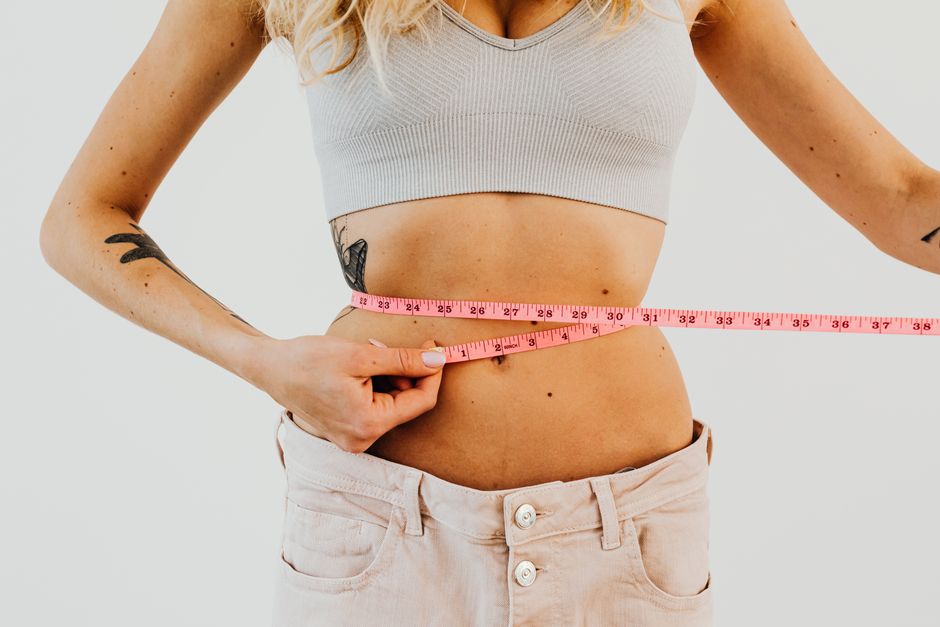
A healthy body fat percentage for most adults falls between 10% and 22% for men and 20% and 32% for women, but these numbers shift as you age. The ranges are not the same for a 25-year-old and a 65-year-old. Your body naturally changes how it stores fat over time, and what is considered healthy adjusts with it.
Body fat percentage measures how much of your total weight is fat versus muscle, bone, and water. It is a more useful number than the scale alone because it tells you about body composition, not just weight. Two people can weigh the same but have very different body fat levels and different health risks as a result.
What Is A Healthy Body Fat Percentage By Age?
The American College of Sports Medicine provides widely used ranges for body fat percentage by age and sex. For men aged 20 to 39, a healthy range is 8% to 20%. For men aged 40 to 59, it is 11% to 22%. For men 60 and older, the range shifts to 13% to 25%.
For women aged 20 to 39, a healthy range is 21% to 33%. For women aged 40 to 59, it is 23% to 34%. For women 60 and older, the range is 24% to 36%. Women naturally carry more essential fat for reproductive function, which explains the higher numbers across all ages.
These ranges come from research published by the American Journal of Clinical Nutrition and are used by doctors and exercise physiologists. They are not arbitrary. They are tied to metabolic health markers like blood pressure, blood sugar, and cholesterol levels.
How Do Age and Sex Change Healthy Body Fat Percentages?
Age changes body fat percentages for two main reasons. First, muscle mass naturally declines after age 30 in a process called sarcopenia. Less muscle means a higher percentage of your body weight is fat, even if your weight stays the same. Second, bone density decreases with age, which also shifts the ratio.
Sex differences are larger than age differences. Women need more body fat for hormone regulation and childbearing. Essential fat — the minimum needed for basic health — is about 3% for men and 12% for women. That gap stays consistent across all ages.
Research from the National Institutes of Health shows that women in their 20s with body fat below 17% often experience menstrual irregularities. That is a sign the body is too lean for healthy function. For men, body fat below 5% can suppress testosterone and immune function.
How Is Body Fat Percentage Measured?
There are several ways to measure body fat percentage, and they vary wildly in accuracy. The most accurate method is a DEXA scan, which uses low-dose X-rays to measure bone density, muscle, and fat. It is considered the gold standard in research settings.
Hydrostatic weighing and the Bod Pod use water or air displacement. They are also accurate but less available. Skinfold calipers are the most practical method for most people. A trained technician pinches skinfolds at three to seven sites on the body and uses a formula to estimate body fat.
Bioelectrical impedance scales — the kind you step on at home — are the least accurate. They send a small electrical current through your body and estimate fat based on how fast the current travels. Hydration levels, recent meals, and even foot calluses can throw off the reading by 4% to 8%. These scales are fine for tracking trends over time but not for getting a precise number.
| Measurement Method | Accuracy | Cost | Best For |
|---|---|---|---|
| DEXA scan | High (within 1-2%) | $100-$200 | One-time baseline |
| Hydrostatic weighing | High (within 2-3%) | $50-$100 | Accurate measure |
| Skinfold calipers | Moderate (within 3-5% with skilled tech) | $5-$10 per session | Regular tracking |
| Bioelectrical impedance scale | Low (within 4-8%) | $30-$100 | Trend tracking only |





What Do the Research Studies Actually Show About Body Fat and Health?
Research published in JAMA Internal Medicine followed over 50,000 adults and found that body fat percentage was a stronger predictor of early death than BMI. People with body fat in the healthy range had lower rates of heart disease, diabetes, and metabolic syndrome regardless of their weight on the scale.
The same study found that having a normal BMI but high body fat — sometimes called normal weight obesity — carried significant health risks. About 30% of adults with a normal BMI actually have body fat percentages in the unhealthy range. They look thin but carry too much fat relative to muscle.
Another study from the European Journal of Clinical Nutrition tracked older adults over 10 years. It found that the healthiest body fat range for people over 65 was slightly higher than for younger adults. The researchers suggested that a bit more body fat may protect against frailty and illness in older age.
Some studies suggest that where you store fat matters more than how much. Visceral fat — the fat stored deep in the belly around your organs — is linked to higher inflammation and disease risk. Subcutaneous fat under the skin is less harmful. Two people with the same body fat percentage can have very different health outcomes depending on fat distribution.
What Are the Real Risks of Body Fat Being Too Low or Too High?
Body fat that is too low carries real dangers that are often overlooked in fitness culture. For men, body fat below 6% can cause low testosterone, reduced libido, and weakened immune function. For women, body fat below 14% can stop menstruation, reduce bone density, and increase injury risk.
Body fat that is too high also carries serious risks. The American Heart Association reports that excess body fat increases the risk of high blood pressure, type 2 diabetes, stroke, and certain cancers. The risk climbs steadily as body fat percentage rises above the healthy range.
Joint problems are another common issue. Extra body fat puts mechanical stress on knees and hips. Fat tissue also produces inflammatory chemicals that can worsen arthritis symptoms. The combination of load and inflammation accelerates joint damage over time.
Sleep apnea is strongly linked to high body fat, especially around the neck and abdomen. Excess fat narrows the airway during sleep, causing breathing interruptions. The CDC estimates that over 25 million US adults have sleep apnea, and most of them have excess body fat.
How Can Someone Move Toward a Healthier Body Fat Percentage?
Resistance training is the most effective way to improve body composition. Building muscle raises your resting metabolic rate and shifts the fat-to-muscle ratio. Studies show that combining weight training with adequate protein intake — about 1.6 grams per kilogram of body weight — preserves muscle during fat loss better than diet alone.
Dietary changes should focus on calorie quality rather than extreme restriction. Whole foods, lean protein, vegetables, and fiber-rich carbohydrates support fat loss without triggering the body’s starvation response. Crash diets cause muscle loss and metabolic slowdown, which makes long-term body fat management harder.
Sleep matters more than most people realize. Research from the University of Chicago found that people who slept less than six hours per night had higher body fat percentages than those who slept seven to nine hours. Poor sleep increases cortisol and ghrelin, hormones that promote fat storage and hunger.
Stress management is another overlooked factor. Chronic stress raises cortisol levels, which encourages fat storage in the abdominal area. Even with perfect diet and exercise, uncontrolled stress can prevent body fat from dropping into a healthy range.
- Do not rely on home body fat scales for accuracy. Use them only to track direction over months.
- Do not compare your body fat percentage to athletes or fitness models. They are not normal.
- Do not try to lose body fat faster than 0.5% to 1% per month. Faster loss usually means muscle loss too.
- Do not assume a normal BMI means healthy body fat. Get measured directly if you are concerned.
- Do not ignore how you feel. Energy, sleep quality, and mood matter more than any single number.
Common Misconceptions About Body Fat Percentage
One common myth is that body fat percentage alone determines health. It does not. A fit person with 25% body fat who exercises regularly and eats well can be healthier than a sedentary person with 15% body fat. Cardiorespiratory fitness, blood markers, and lifestyle habits all matter.
Another myth is that women should aim for the same body fat as men. That is biologically wrong. Women need about 8% to 10% more body fat for essential functions. A woman at 18% body fat is likely underfat and may face health consequences, while a man at 18% body fat is in the athletic range.
Some people believe that body fat percentage cannot change after a certain age. That is false. Muscle can be built at any age with proper resistance training. Studies of adults in their 70s and 80s show significant improvements in body composition with consistent strength work.
The idea that you can spot-reduce fat from specific areas is not supported by evidence. Doing hundreds of crunches will not burn belly fat specifically. Fat loss happens from the whole body based on genetics and hormone patterns. Where you lose fat first is mostly determined by your DNA.
Frequently Asked Questions
What is the ideal body fat percentage for a 50 year old woman?
The healthy range for women aged 40 to 59 is 23% to 34%. The ideal falls in the middle of that range around 27% to 30% for most women.
What is a healthy body fat percentage for a 65 year old man?
For men 60 and older the healthy range is 13% to 25%. Many older men do well in the 18% to 22% range which offers a balance of health and vitality.
Can you have too little body fat even if you feel fine?
Yes. Low body fat can suppress hormones weaken bones and impair immune function even if you feel energetic. Symptoms often show up slowly over months.
How often should I measure body fat percentage?
Once every 4 to 8 weeks is enough. Body composition changes slowly. Measuring more often creates unnecessary noise and can lead to obsessive tracking.
