
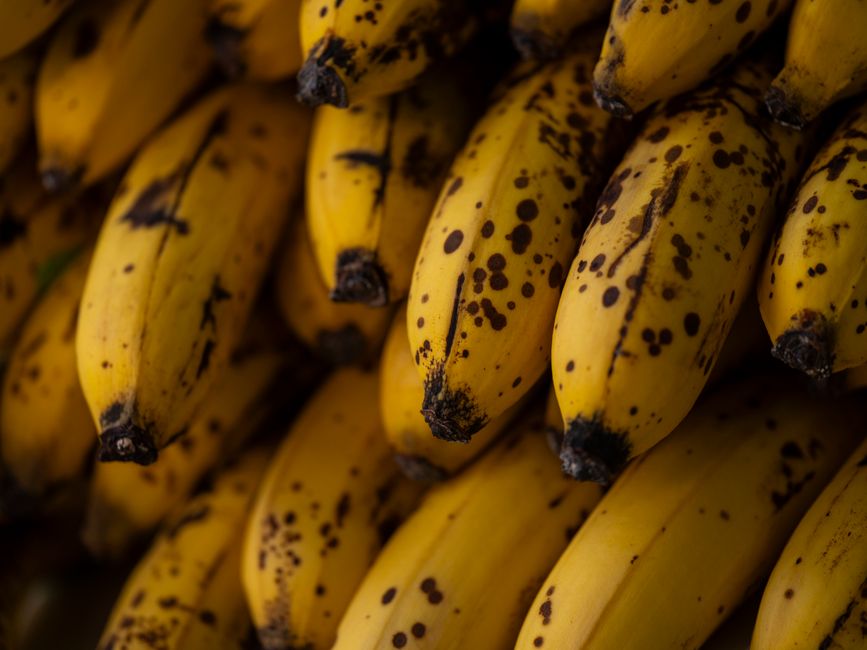
Bananas are not high in histamine, but they do trigger the release of histamine in some people. This is an important distinction. The fruit itself contains very little histamine, yet it can cause symptoms that look like a histamine reaction in sensitive individuals. For most people, bananas are perfectly fine. For those with histamine intolerance, the picture is more complicated.
What Is Histamine and Why Does It Matter?
Histamine is a chemical your body produces naturally. It plays a role in your immune system, digestion, and nervous system. It is also found in many foods. When histamine levels get too high, some people experience symptoms like headaches, hives, itching, or digestive upset.
Histamine intolerance is not an allergy. It is a condition where your body cannot break down histamine quickly enough. An enzyme called diamine oxidase, or DAO, normally handles this job. When DAO activity is low, histamine builds up and causes symptoms.
Are Bananas High In Histamine?
No. Bananas contain very low levels of histamine. Most food databases list bananas as a low-histamine food. However, bananas are known to trigger the release of histamine from cells in the body. This is called a histamine liberator. The distinction matters because the effect can be the same even though the cause is different.
For someone with histamine intolerance, a banana can cause symptoms even though the banana itself is not high in histamine. This makes bananas a tricky food. They are not inherently problematic, but they can be for certain people.
Why Do Bananas Trigger Symptoms in Some People?
Bananas contain a compound called serotonin. Serotonin is a neurotransmitter that can influence blood vessel tone and gut motility. In some people, serotonin triggers the release of histamine from mast cells. Mast cells are immune cells that store histamine and release it when triggered.
This mechanism is why bananas can cause reactions in people with histamine intolerance. The banana does not add histamine to your system directly. Instead, it causes your body to release histamine it already has stored. The result is the same set of symptoms, but the pathway is different.
Ripeness also plays a role. As bananas ripen, their serotonin levels increase. A very ripe banana with brown spots may trigger more histamine release than a green or yellow banana. Some people tolerate firmer, less ripe bananas better than fully ripe ones.


What Does the Research Say?
Research on histamine liberators is limited. This is an area where the evidence is not as strong as researchers would like. Some studies have identified bananas as a histamine-releasing food, but the exact compounds and mechanisms are not fully understood.
Clinical experience supports the idea that bananas can cause symptoms in people with histamine intolerance. Many people report reactions to bananas even though they test low for histamine content. This aligns with the histamine liberator theory, but it has not been confirmed by large controlled trials.
It is also worth noting that individual responses vary widely. Some people with histamine intolerance eat bananas without any issue. Others react strongly. There is no reliable way to predict who will react and who will not. If you have histamine intolerance, the only way to know how bananas affect you is to test them carefully.
How Do Bananas Compare to Other Fruits?
Bananas sit in an unusual position compared to other fruits. Most fruits are naturally low in histamine. Citrus fruits, like oranges and lemons, are also considered histamine liberators. Strawberries are another common trigger. These fruits are not high in histamine themselves, but they can cause histamine release.
| Fruit | Histamine Content | Histamine Liberator? |
|---|---|---|
| Bananas | Low | Yes, in some people |
| Strawberries | Low | Yes, in some people |
| Citrus fruits | Low | Yes, in some people |
| Apples | Low | Not typically |
| Blueberries | Low | Not typically |
This table shows that bananas are not unique. They belong to a group of fruits that are low in histamine but can still cause issues for sensitive individuals. If you tolerate bananas poorly, you may also react to strawberries or citrus. If you tolerate them well, you may handle other liberator foods without problems.
What About Dried Bananas or Banana Chips?
Dried bananas and banana chips are a different story. The drying process concentrates compounds in the fruit. This means that even though histamine content remains low, the concentration of potential liberators is higher. Dried banana products may trigger more symptoms than fresh bananas.
Banana chips are often fried and seasoned. The added oils and flavorings can introduce other potential triggers. If you are sensitive to bananas, dried versions are more likely to cause a reaction. If you tolerate fresh bananas, you may still react to dried ones.
Are There Other Compounds in Bananas That Matter?
Bananas contain several bioactive compounds beyond serotonin. They are rich in potassium, vitamin B6, and fiber. They also contain small amounts of tyramine and phenylethylamine. These are amines that can affect blood vessels and may contribute to symptoms in sensitive people.
Tyramine is more commonly associated with aged cheeses and cured meats. It is a known trigger for migraines in some people. Bananas contain tyramine in small amounts, but the levels increase as the fruit ripens. For someone who is sensitive to both histamine and tyramine, a very ripe banana could be a double trigger.
This is another reason why ripeness matters. A green banana has lower levels of both serotonin and tyramine. A fully ripe banana has higher levels of both. If you are sensitive, choosing a less ripe banana may reduce your risk of symptoms.
What Should You Do If Bananas Cause Symptoms?
If you suspect bananas are causing your symptoms, the first step is to track your reactions. Keep a food diary that notes what you ate, how much, and how you felt afterward. Include the ripeness of the banana. This information can help you identify patterns.
If you have been diagnosed with histamine intolerance, talk to your doctor or a registered dietitian. They can help you determine whether bananas are a problem for you specifically. They may recommend an elimination diet to test your tolerance.
An elimination diet involves removing suspected trigger foods for a period of time, then reintroducing them one at a time. This is the most reliable way to identify your personal triggers. It is not a quick process, but it provides clear answers.
No clinical guidelines currently exist for managing histamine liberator foods specifically. The general approach is to avoid foods that cause symptoms and to work with a healthcare professional to ensure your diet remains balanced.
Does Cooking or Processing Change Anything?
Cooking bananas does not reliably reduce their potential to trigger histamine release. Heat does not destroy serotonin or tyramine. Baking bananas into bread or muffins may change the texture and flavor, but it does not change the compounds that matter for histamine sensitivity.
Freezing bananas may be a better option for some people. Freezing can alter the structure of some compounds, but the evidence here is limited. Some people report tolerating frozen bananas better than fresh ones. This is anecdotal, not established by research.
If you want to test your tolerance, trying a small amount of a less ripe banana is a reasonable starting point. If you tolerate that, you can experiment with riper bananas to find your personal threshold. This approach is practical and does not rely on unproven claims.
Frequently Asked Questions
Can bananas cause allergic reactions?
Yes, but true banana allergy is different from histamine intolerance. A banana allergy involves the immune system producing specific antibodies, while histamine intolerance is a problem with breaking down histamine.
Are green bananas better for histamine intolerance?
Green bananas may be better because they contain lower levels of serotonin and tyramine than ripe bananas. Some people tolerate them well, but individual responses vary.
Should I avoid bananas if I have histamine intolerance?
Not necessarily. Many people with histamine intolerance eat bananas without problems. The best approach is to test your personal tolerance with a small amount and track your symptoms.
Do banana supplements cause the same issues?
Banana supplements and extracts are not well studied for histamine effects. The evidence is too limited to make any reliable recommendation about them.
