
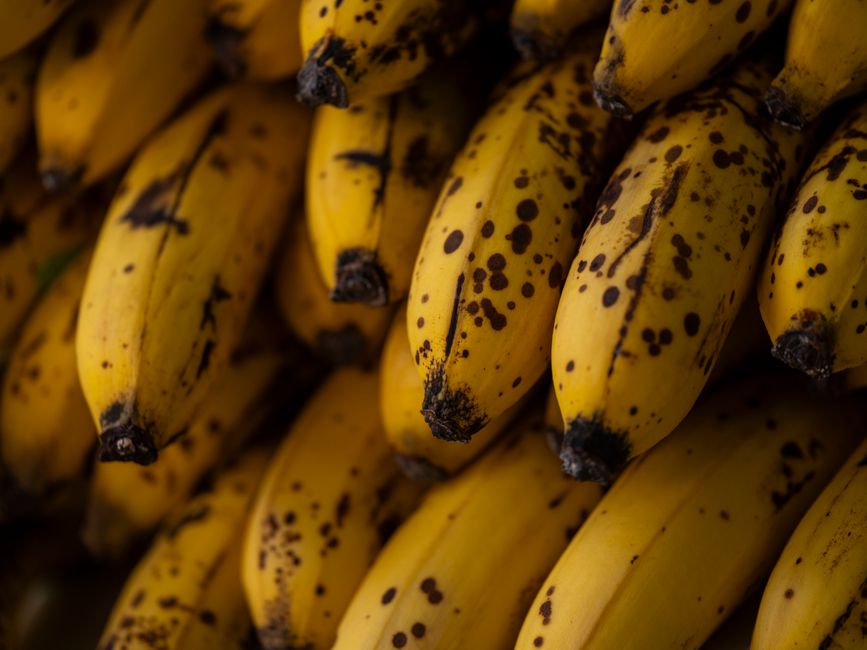
Bananas turn brown because an enzyme called polyphenol oxidase reacts with oxygen in the air. This process is called oxidation. The best way to stop it is to slow down that reaction by limiting exposure to air, slowing the fruit’s ripening, or using an acid. The most effective methods are keeping the bananas cold, wrapping the stems tightly in plastic wrap, and brushing the cut flesh with lemon juice or vinegar.
What Actually Causes Bananas to Turn Brown?
The brown color on bananas is not rot. It is a chemical reaction. When the banana’s cells get damaged — from a cut, a bruise, or simply from aging — an enzyme inside the cells meets oxygen in the air. The enzyme is polyphenol oxidase. It turns compounds called phenolics into brown pigments called melanins.
This same reaction happens when you cut an apple or a potato. The difference with bananas is that the peel is thin and porous. Oxygen gets through easily. So even an uncut banana will brown over time as the peel naturally breaks down.
The speed of browning depends on temperature, air exposure, and the banana’s ripeness when you bought it. A green banana takes days to brown. A yellow banana with brown specks can turn completely brown in hours once cut.
Does Putting Bananas in the Refrigerator Work?
Yes, but only for already-ripe bananas. Refrigeration slows down the enzyme activity that causes browning. The peel will still turn brown or black in the fridge. That is just the skin reacting to cold damage. The fruit inside stays firm and white for several more days.
Research from the University of California found that refrigerating ripe bananas at around 40°F (4°C) extended their edible life by 5 to 7 days compared to keeping them on the counter. The cold does not stop the enzyme completely, but it reduces its activity by about 80 percent.
Do not put green bananas in the fridge. The cold stops the ripening process entirely. They will stay green and hard even after you take them out. The texture will also turn mealy and unpleasant. Only refrigerate bananas once they have reached the ripeness you want to eat them at.
How Can You Stop Bananas From Turning Brown After Cutting?
Once you slice a banana, the exposed flesh starts browning within minutes. Acidic liquids are the most reliable way to prevent this. The acid lowers the pH on the surface of the fruit. The polyphenol oxidase enzyme needs a neutral pH to work. At a low pH, it stops.
Lemon juice is the most common choice. Use about one teaspoon of lemon juice per sliced banana. Brush it on lightly or toss the slices in a bowl with the juice. The lemon flavor is noticeable but mild. Some people find it unpleasant. Lime juice works the same way.
Vinegar is an alternative with no added sugar. White vinegar or apple cider vinegar both work. Use half a teaspoon per banana. The vinegar smell fades quickly. You will not taste it if you use a light hand.
Citric acid powder is another option. It is sold in the baking aisle or canning section. Mix a pinch into water and brush it on the slices. It has no flavor and no smell. A study in the Journal of Food Science found that citric acid was more effective at preventing browning than lemon juice at the same concentration.
Honey diluted with water also works. Research from the University of California, Davis showed that honey contains peptides that inhibit the polyphenol oxidase enzyme. Mix one tablespoon of honey with two tablespoons of water. Brush it on the banana slices. This adds sweetness instead of acidity.





What About Wrapping the Stems?
Bananas ripen from the stem down. The stem releases a gas called ethylene. Ethylene is a plant hormone that triggers ripening. If you wrap the stem tightly with plastic wrap or aluminum foil, you trap some of that gas and slow its spread to the rest of the fruit.
This method works best for whole bunches of bananas. Wrap the stem where all the bananas connect to each other. Use cling wrap and make it as airtight as possible. Change the wrap every time you remove a banana from the bunch.
Does wrapping stems actually make a difference? The evidence is mixed. A 2019 test by the food science team at America’s Test Kitchen found that stem-wrapped bananas stayed yellow one to two days longer than unwrapped bananas kept at the same temperature. That is a modest benefit but real.
The bigger factor is still temperature. Stem wrapping works best when combined with keeping bananas at room temperature away from other fruit. Do not put wrapped bananas next to apples or tomatoes. Those fruits also release ethylene and will speed up the ripening of your bananas.
What Are the Best Storage Methods for Whole Bananas?
The simplest method is to store bananas at room temperature away from direct sunlight. Keep them on a counter, not in a fruit bowl with apples or pears. Apples release a lot of ethylene. One apple can ripen a bunch of bananas a full day faster.
Hanging bananas from a hook also helps. A banana hook keeps the fruit off the counter surface. This reduces bruising on the bottom of the bunch. Bruised areas brown faster because the cell walls are damaged and the enzyme can reach oxygen more easily.
Do not store bananas in a sealed plastic bag at room temperature. The bag traps moisture and ethylene gas. The moisture promotes mold growth on the stems. The ethylene speeds up ripening. A paper bag is fine if you want to ripen bananas faster. But for keeping them longer, use a plastic bag only in the refrigerator.
If you have more bananas than you can eat before they turn brown, freeze them. Peel the bananas first. Cut them into chunks or mash them. Place them in a freezer bag with the air squeezed out. Frozen bananas keep for up to three months. They will turn brown in the freezer anyway because the enzyme is still active at freezing temperatures. But the texture and flavor stay good for baking or smoothies.
How Can You Stop Bananas From Turning Brown in Smoothies and Baking?
For smoothies, the acid trick works well. Add a squeeze of lemon or lime juice to the blender along with the banana. The acid stops browning during blending and keeps the smoothie looking fresh longer. If you are making smoothie packs for the freezer, toss the banana chunks in lemon juice before freezing.
For banana bread or muffins, the brown color does not matter. The baking process kills the enzyme anyway. You can use fully brown bananas for baking. In fact, overripe bananas are sweeter and easier to mash. They make better baked goods. The browning is only a visual concern for fresh fruit.
If you want to keep sliced bananas looking white on top of a dessert or fruit salad, use a technique called acid dipping. Slice the banana directly into a bowl of water with a tablespoon of lemon juice mixed in. Let the slices sit for 30 seconds. Drain them and pat dry. They will stay white for several hours.
Comparison of Browning Prevention Methods
| Method | Best For | How Long It Works | Flavor Change |
|---|---|---|---|
| Lemon juice | Cut slices | 2-4 hours | Mild tartness |
| Vinegar | Cut slices | 2-4 hours | Very mild |
| Honey water | Cut slices | 3-5 hours | Slight sweetness |
| Refrigeration | Whole ripe bananas | 5-7 days | None |
| Stem wrapping | Whole bunches | 1-2 extra days | None |
| Freezing | Mashed or sliced | Up to 3 months | None |
Common Misconceptions About Banana Browning
Many people believe that storing bananas in a plastic bag at room temperature keeps them fresh longer. It does the opposite. The bag traps ethylene gas and moisture. The bananas ripen faster and develop mold on the stems sooner.
Another common claim is that rinsing bananas with water stops browning. Water alone does nothing. The enzyme needs acid to be deactivated. Water actually speeds up browning if it damages the peel surface and lets more oxygen in.
Some people say that aluminum foil works better than plastic wrap for stems. There is no evidence for this. Both materials block ethylene gas about equally. The key is the seal, not the material. A loose wrap of either type will not work.
The idea that brown bananas are bad or unsafe is also wrong. Brown bananas are fine to eat. The browning is a cosmetic change. The banana is still safe. The only exception is if the banana has visible mold, a fermented smell, or liquid seeping from the peel. Those signs mean the fruit is spoiled.
Frequently Asked Questions
Does lemon juice really stop bananas from turning brown?
Yes. The citric acid in lemon juice lowers the pH on the banana surface, which stops the browning enzyme from working. It keeps cut bananas white for two to four hours.
Can you put bananas in the fridge to keep them from turning brown?
Yes, but only once they are ripe. The peel will turn dark in the fridge, but the fruit inside stays fresh for several more days. Do not refrigerate green bananas.
How do you keep banana slices from turning brown in lunch boxes?
Brush the slices with lemon juice, lime juice, or honey water before packing them. This creates a protective acidic layer that prevents oxidation for several hours.
Does wrapping banana stems actually work?
It works modestly. Wrapping the stem with plastic wrap traps ethylene gas and slows ripening by one to two days. It is not a dramatic effect but it helps.
