
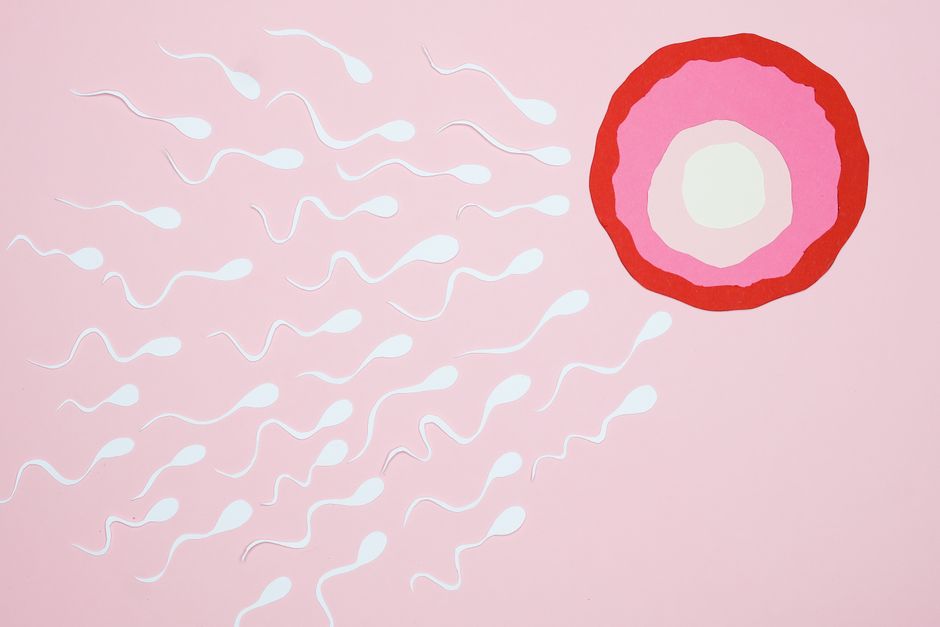
When doctors talk about sperm count, they are looking at the number of sperm in one milliliter of semen. A normal sperm count is between 15 million and 200 million sperm per milliliter. A high sperm count is technically anything above 200 million per milliliter. This is not a medical problem. It is simply above the normal range the World Health Organization uses.
What Is a Normal Sperm Count According to Medical Guidelines?
The World Health Organization sets the standards for semen analysis. Their most recent guidelines from 2021 define a normal sperm count as 15 million sperm per milliliter or more. This number comes from studying thousands of men around the world who fathered children within one year.
Anything below 15 million is considered low. This condition is called oligospermia. A count of zero is azoospermia. Both can make conception more difficult.
The upper end of normal is less discussed. The WHO does not set an official upper limit for high sperm count. Most fertility specialists consider 200 million per milliliter as the top of the normal range. Above that number you are in what some call high sperm count territory.
It is important to understand that a count above 200 million is not a disorder. It is not something doctors treat. It is simply a statistical outlier on the high end.
Does Having a High Sperm Count Improve Fertility?
Research shows that having more sperm than normal does not necessarily make you more fertile. The relationship between sperm count and fertility is not a straight line. Once you are above the normal threshold, adding more sperm does not improve your chances of conception.
A study published in the journal Human Reproduction looked at over 1,900 men. The researchers found that pregnancy rates did not increase once sperm counts exceeded 40 million per milliliter. Having 400 million sperm did not result in faster or more successful conception than having 40 million.
What matters more than total count is sperm quality. Motility, which is how well sperm move, and morphology, which is their shape, play a bigger role. A man with 50 million highly motile sperm may have better fertility than a man with 300 million poorly moving sperm.
Some men with very high sperm counts actually have lower fertility. This can happen when the extra sperm are produced in a way that compromises their quality. More is not always better.
What Causes a High Sperm Count?
A high sperm count is usually just a natural variation. Some men simply produce more sperm than others. Genetics play a large role. There is no single cause that doctors point to.
Certain lifestyle factors may push sperm counts higher. Men who avoid smoking, limit alcohol, and maintain a healthy body weight tend to have higher counts. Regular exercise, especially moderate aerobic activity, is linked to higher sperm production.
Some research suggests that men who ejaculate less frequently may have higher sperm counts on any given sample. This is a temporary effect. If you abstain for several days, the next ejaculate will contain more sperm. This does not mean your baseline production is higher.
There is no evidence that any supplement or food can push a normal sperm count into the high range. Supplements like zinc, selenium, and CoQ10 may help men with low counts reach normal levels. They do not boost a healthy count into the high zone.





What Is Considered a High Sperm Count and Should You Worry About It?
A high sperm count is not something to worry about. It is not linked to any health problems or diseases. There is no evidence that having more sperm than normal causes any physical issues.
Some men wonder if a high count could be a sign of testicular cancer or other problems. It is not. Testicular cancer sometimes causes changes in sperm count, but it usually lowers the count, not raises it. A high count is not a red flag for cancer.
The only situation where a very high count could be relevant is during fertility treatment. If a man produces an extremely high volume of semen along with a high count, it can sometimes dilute the sperm concentration. This is rare and easily identified through a standard semen analysis.
If you are trying to conceive and your sperm count is above 200 million, consider yourself within normal range. Focus your attention on motility and morphology instead. Those numbers matter more.
How Is Sperm Count Measured and What Affects the Results?
Sperm count is measured through a semen analysis. A man provides a sample, usually through masturbation, and a lab examines it under a microscope. The lab counts the number of sperm in a small volume and calculates the concentration per milliliter.
Multiple factors can affect the accuracy of a single test. The length of abstinence before the test matters. Two to five days of abstinence is standard. Less than two days can lower the count. More than five days can raise it but may reduce motility.
Illness can temporarily lower sperm count. A fever above 101 degrees Fahrenheit can reduce sperm production for up to three months. This is because sperm take about 70 days to mature. A single illness can affect samples for several months afterward.
Medications also play a role. Some antibiotics, steroids, and chemotherapy drugs lower sperm count. No common medication is known to raise sperm count above normal levels.
If you get a result showing a high count, it is worth repeating the test in a few weeks. A single high reading could be a fluke. Two consistent high readings confirm that your baseline is genuinely high.
Common Misconceptions About High Sperm Count
One of the most persistent myths is that a high sperm count means you are more fertile. As discussed earlier, this is not true. Fertility depends on many factors, and once you are above the normal threshold, count stops mattering.
Another myth is that a high sperm count means you have higher testosterone. Sperm production and testosterone are related, but they are not the same thing. Men with high sperm counts can have normal, low, or high testosterone levels. You cannot predict testosterone from sperm count.
Some people believe that a high sperm count protects against infertility. It does not. If a man has poor motility or abnormal morphology, a high count will not compensate. The quality of individual sperm matters far more than the quantity.
A final misconception is that you can increase your sperm count beyond your natural baseline through diet or supplements. This is widely claimed, but strong evidence is limited. Supplements can help men who are deficient in certain nutrients reach normal levels. They cannot push someone with a normal count into the high range.
| Sperm Count Range | Classification | What It Means for Fertility |
|---|---|---|
| 0 sperm/mL | Azoospermia | Infertile without medical intervention |
| 1-14 million/mL | Low (oligospermia) | Reduced fertility, may require treatment |
| 15-200 million/mL | Normal | Good fertility potential |
| Above 200 million/mL | High | Normal fertility, no special advantage |
What to Avoid If You Are Trying to Improve Sperm Health
If your goal is better sperm health, focus on avoiding things that damage sperm rather than trying to boost count. Heat is a major factor. Hot tubs, saunas, and tight underwear can raise scrotal temperature and reduce sperm production. This effect is temporary but real.
Smoking is clearly linked to lower sperm count and poorer sperm quality. Research published in the journal Fertility and Sterility found that smokers had 15% lower sperm counts than nonsmokers. Quitting smoking can improve sperm health within three months.
Heavy alcohol use also harms sperm. Men who drink more than 14 drinks per week tend to have lower counts and more abnormal sperm shapes. Moderate drinking, defined as one to two drinks per day, does not appear to have the same effect.
Recreational drugs like marijuana and cocaine are associated with lower sperm counts. Marijuana use is linked to abnormal sperm shape and reduced motility. Cocaine can cause temporary drops in count and quality.
Stress matters too. Chronic stress raises cortisol levels, which can lower testosterone and reduce sperm production. Managing stress through exercise, sleep, or therapy may help maintain normal sperm counts.
Frequently Asked Questions
Can a high sperm count cause infertility?
No. A high sperm count does not cause infertility. In rare cases, extremely high semen volume can dilute sperm concentration, but this is uncommon and easily identified through testing.
What is the normal sperm count range for fertility?
The World Health Organization defines normal as 15 million to 200 million sperm per milliliter. Any count within this range is considered normal for fertility purposes.
Does a high sperm count mean more testosterone?
No. Sperm production and testosterone levels are related but separate. A high sperm count does not predict high testosterone. Blood tests are needed to measure testosterone.
Can supplements increase sperm count to a high level?
Supplements can help men with low counts reach normal levels but cannot push a normal count into the high range. There is no clinical evidence that any supplement does this.
