
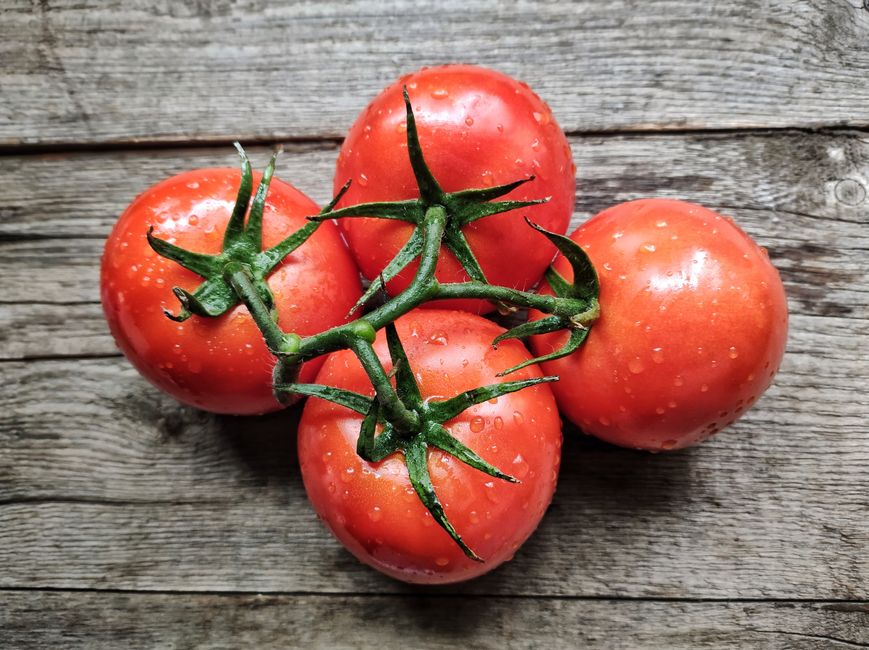
Tomatoes are not high in oxalates. A medium raw tomato contains about 5 to 11 milligrams of oxalates, which is considered a low amount. For context, foods classified as high in oxalates contain over 50 milligrams per serving. So if you eat tomatoes in normal amounts, oxalate content is rarely a concern for most people.
What Are Oxalates and Why Do People Worry About Them?
Oxalates are natural compounds found in many plant foods. Your body also makes them as a waste product. When oxalate levels in urine get too high, they can bind with calcium and form crystals. Those crystals can grow into kidney stones over time.
This is why some people try to limit oxalates in their diet. The concern is real for certain groups. About 1 in 10 people will get a kidney stone at some point, according to the National Kidney Foundation. But not everyone needs to worry about dietary oxalates equally.
The bigger issue for most people is not the oxalate itself but whether they have enough calcium in their diet. Calcium binds to oxalates in the gut before they reach the kidneys. When you eat calcium-rich foods alongside oxalates, less oxalate gets absorbed into your bloodstream. This is an important detail that many oversimplified health articles leave out.
Are Tomatoes High In Oxalates Compared to Other Foods?
No, tomatoes are on the low end of the oxalate scale. Here is how they compare to common foods people ask about:
| Food | Oxalate Content (mg per serving) | Category |
|---|---|---|
| Raw tomato (1 medium) | 5-11 mg | Low |
| Spinach (1 cup cooked) | 750-800 mg | Very high |
| Almonds (1 ounce) | 120-150 mg | High |
| Potato (1 medium baked) | 30-50 mg | Moderate |
| Strawberries (1 cup) | 10-20 mg | Low |
| Orange (1 medium) | 5-10 mg | Low |
Spinach, rhubarb, beets, and almonds are the foods that actually deserve attention if you are tracking oxalates. Tomatoes are not in that category. Even tomato sauce or concentrated tomato products like paste have higher oxalate levels per serving, but still moderate compared to spinach.
Does Cooking Tomatoes Change Their Oxalate Content?
Yes, cooking can affect oxalate levels, but not in a way that makes tomatoes high. When you cook tomatoes into sauce or soup, the water content reduces and oxalates become more concentrated per spoonful. A half-cup of tomato sauce may contain around 15 to 25 milligrams of oxalates. That is still low to moderate.
Boiling vegetables can actually leach oxalates into the water. If you discard the cooking water, some oxalates go with it. But this matters more for high-oxalate vegetables like spinach or Swiss chard. For tomatoes, the difference is small because their starting oxalate level is already low.
One thing worth noting: sun-dried tomatoes are more concentrated in every nutrient and compound, including oxalates. A small handful of sun-dried tomatoes could contain 20 to 30 milligrams. Still not high, but something to be aware of if you eat them in large amounts regularly.





Who Actually Needs to Worry About Oxalates in Tomatoes?
Most people do not need to limit tomatoes for oxalate reasons. The groups who might benefit from paying attention are people with certain medical conditions.
- People who have had calcium oxalate kidney stones before. These are the most common type of kidney stone.
- People with chronic kidney disease, especially at later stages.
- People with a rare condition called primary hyperoxaluria, where the liver makes too much oxalate.
- People who have had gastric bypass surgery, which can change how oxalates are absorbed.
If you fall into one of these groups, talk to your doctor or a kidney dietitian. They will likely recommend a moderate oxalate diet, not an extremely low one. Completely avoiding all oxalates is nearly impossible and not necessary. Even on a low-oxalate diet, tomatoes are usually allowed in reasonable amounts.
For everyone else, the benefits of eating tomatoes far outweigh any theoretical oxalate risk. Tomatoes provide lycopene, vitamin C, potassium, and other nutrients linked to heart health and lower cancer risk. The CDC notes that most Americans do not eat enough vegetables. Worrying about oxalates in tomatoes is not a priority for the general population.
What Are Common Misconceptions About Oxalates and Tomatoes?
One widespread myth is that oxalates in tomatoes cause inflammation or joint pain. Some people report feeling better after cutting out nightshade vegetables like tomatoes, peppers, and eggplants. But this is not well supported by clinical evidence. Research published in the journal Nutrients has found no consistent link between dietary oxalates and inflammatory conditions like arthritis in most people.
Another misconception is that oxalates are toxic and should be avoided completely. This is not accurate. Oxalates are a normal part of human metabolism. Your body handles small amounts daily without issue. The problem only arises when oxalate levels become very high in urine over long periods, combined with low urine volume or low calcium intake.
A third misunderstanding is that all plant foods with oxalates are unhealthy. This is backward thinking. Many high-oxalate foods like spinach, beets, and almonds are nutrient-dense and linked to better health outcomes. The key is balance and preparation, not elimination. Eating spinach with a calcium source like cheese or yogurt reduces oxalate absorption significantly.
Some people also believe that seed oils or processed tomato products are the real problem. But the oxalate content in tomato paste or canned tomatoes is not dramatically different from fresh tomatoes per serving. The bigger issue with processed tomato products is usually added sugar or sodium, not oxalates.
How Should You Think About Tomatoes in a Balanced Diet?
Tomatoes are a versatile, nutrient-rich food that fits well into most eating patterns. They provide lycopene, which some studies suggest may help reduce the risk of prostate cancer and heart disease. The lycopene in cooked tomatoes is actually more absorbable than in raw ones, according to research in the American Journal of Clinical Nutrition.
If you are concerned about oxalates for a medical reason, here is a practical way to think about it. Eat tomatoes as part of meals that include calcium-rich foods. A tomato and mozzarella salad, pasta with tomato sauce and Parmesan, or eggs with tomatoes and cheese all pair oxalates with calcium naturally. This simple step reduces how much oxalate your body absorbs.
Drink enough water throughout the day. This dilutes your urine and makes it harder for oxalate crystals to form. The National Kidney Foundation recommends about 2 to 3 liters of fluid daily for people prone to kidney stones. For everyone else, drinking when thirsty is usually sufficient.
Avoid falling into the trap of fearing foods that are not actually high in the compound you are tracking. Tomatoes are not high in oxalates. They are not a common cause of kidney stones. They are not inflammatory for most people. If you enjoy tomatoes, there is no strong evidence that you should stop eating them because of oxalate content.
Frequently Asked Questions
Can tomatoes cause kidney stones?
Tomatoes are unlikely to cause kidney stones on their own because they are low in oxalates. Kidney stones usually result from a combination of factors including low fluid intake, high sodium, and insufficient calcium in the diet.
Are cherry tomatoes higher in oxalates than regular tomatoes?
Cherry tomatoes have a similar oxalate content per weight as regular tomatoes. The difference is negligible and both are still considered low-oxalate foods.
Should people with gout avoid tomatoes due to oxalates?
No. Gout is caused by uric acid crystals, not calcium oxalate crystals. Tomatoes do not significantly affect uric acid levels or gout symptoms for most people.
Is tomato sauce high in oxalates?
Tomato sauce is slightly more concentrated than raw tomatoes but still falls in the low to moderate oxalate range. A half-cup serving contains about 15 to 25 milligrams of oxalates.
