
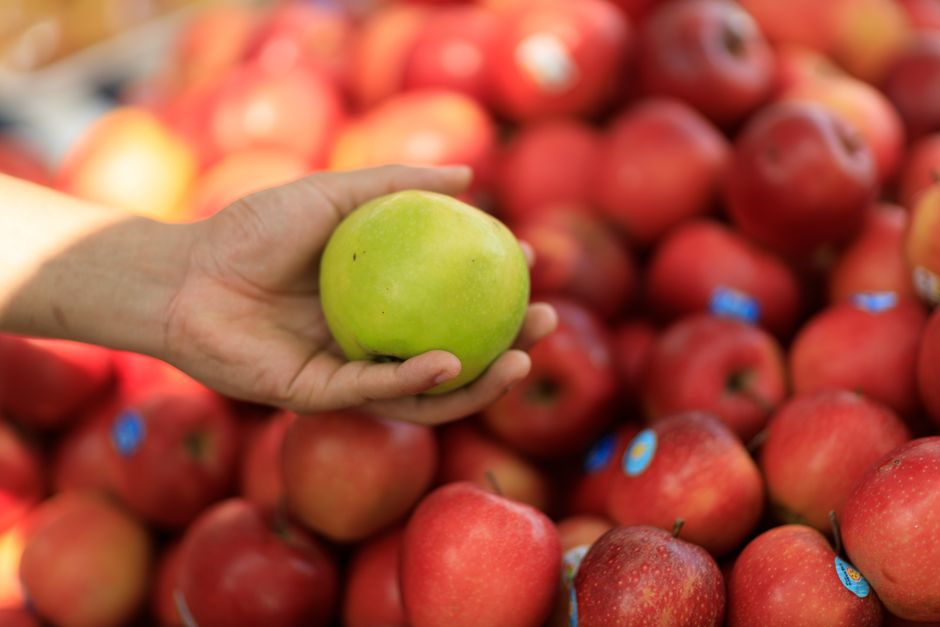
Yes, apples are good for gut health. They contain dietary fiber, particularly pectin, and natural compounds called polyphenols. These nutrients support the growth of beneficial bacteria in the colon and help keep bowel movements regular. Eating whole apples with the skin provides the most benefit.
Are Apples Good for Gut Health? The Role of Fiber and Polyphenols
Apples are good for gut health primarily because of their fiber and polyphenol content. A medium apple provides roughly 4 grams of fiber, about half of which is a soluble fiber called pectin. The rest is insoluble fiber, mostly in the skin. Polyphenols in apples include quercetin, catechin, and chlorogenic acid. These compounds are not fully digested in the upper gut. They travel to the colon where gut bacteria break them down, producing metabolites that can reduce inflammation and support the gut lining.
Research suggests that regularly eating apples increases the amount of beneficial bacteria like Bifidobacteria and Lactobacillus. These bacteria are linked to better digestion, stronger immune function, and lower risk of some chronic diseases. The combination of fiber and polyphenols makes apples a uniquely gut-friendly fruit.
How Does Apple Pectin Affect Your Gut Bacteria?
Pectin is a soluble fiber that forms a gel in the digestive tract. It slows digestion and helps you feel full. More importantly, pectin ferments in the colon. This fermentation produces short-chain fatty acids, mainly butyrate, acetate, and propionate. Butyrate is the primary fuel for cells lining the colon. It helps maintain a healthy gut barrier and reduces inflammation.
Some studies have found that pectin selectively promotes the growth of beneficial bacteria. It acts as a prebiotic, meaning it feeds good microbes rather than harmful ones. Not all fibers work this way. Pectin appears to be particularly effective at increasing microbial diversity, which is a marker of a healthy gut.
Should You Eat the Skin for Maximum Benefits?
Yes. The skin of an apple contains the majority of the fiber and a large portion of the polyphenols. One study found that apple skins contain up to six times more flavonoids than the peeled flesh. Flavonoids are a type of polyphenol with antioxidant and anti-inflammatory effects.
Washing apples thoroughly removes most pesticide residue and wax. If you are concerned about pesticides, choose organic apples. But even conventionally grown apples are safe when washed well. The gut health benefits of eating the skin far outweigh the small risks.





Can Apples Help With Constipation or Diarrhea?
Apples can help with both, but the effect depends on how you eat them. The insoluble fiber in the skin adds bulk to stool and helps prevent constipation. The pectin in the flesh absorbs water, which can firm up loose stools and help with mild diarrhea. This is why applesauce is often recommended for digestive upset.
Individual responses vary. Some people with irritable bowel syndrome find that apples trigger bloating or gas. This is usually due to the fruit sugar content or the fermentation of fiber in a sensitive gut. If you have IBS, start with a small portion and see how you feel.
What About Apple Juice Versus Whole Apples?
Apple juice is not a good substitute for whole apples when it comes to gut health. Most commercial apple juice has the fiber removed. Even cloudy apple juice, which does not undergo complete filtration, contains less than 10 percent of the fiber found in a whole apple.
Juice also delivers a concentrated dose of sugar without the fiber to slow absorption. This can spike blood sugar and does not provide the same prebiotic benefits. For gut health, choose whole apples over any form of juice. Apple cider vinegar also lacks fiber and should not be considered a gut health food.
Are There Any Risks or Downsides?
Apples are safe for most people when eaten in normal amounts. A few potential downsides exist. People with fructose malabsorption or an intolerance to FODMAPs may experience bloating, gas, or diarrhea after eating apples. The standard low-FODMAP diet restricts apples to about half a medium apple per serving.
Apple seeds contain a compound called amygdalin, which can release small amounts of cyanide when chewed. However, you would need to chew and swallow hundreds of seeds to experience any toxic effect. Accidentally eating a few seeds is harmless.
Some people worry about pesticide residues on apple skins. Washing with cool water and rubbing the skin removes most residues. Peeling eliminates residues but also removes most of the fiber and polyphenols. If this is a concern, organic apples are a good choice.
How Many Apples Should You Eat for Gut Health?
There is no official recommendation specific to apples. General dietary guidelines suggest eating 1–2 cups of fruit per day for adults. One medium apple counts as about 1 cup of fruit. Eating one apple per day is a reasonable goal that provides meaningful amounts of fiber and polyphenols without overdoing sugar intake.
Eating more than two apples per day is not likely to cause harm for most people, but it may lead to excess calorie intake from fruit sugar. For gut health specifically, consistency matters more than quantity. A single apple eaten daily over weeks supports a healthier gut microbiome better than several apples eaten irregularly.
Frequently Asked Questions
How many apples should I eat per day for gut health?
One medium apple per day is a good target for most people. There is no official recommendation, but that amount provides about 4 grams of fiber and a useful dose of polyphenols.
Are green apples or red apples better for your gut?
Both are beneficial. Green apples tend to have slightly more fiber and less sugar, but the differences are small. Choose the apple you enjoy eating so you eat it regularly.
Can apples help with bloating and gas?
For some people, apples can actually cause bloating due to their fiber and FODMAP content. If apples make you feel bloated, try eating a smaller portion or peeling the skin.
Does apple cider vinegar improve gut health?
Apple cider vinegar is not a substitute for whole apples. It lacks fiber and most polyphenols. Some small studies suggest it may affect blood sugar, but evidence for gut health benefits is limited.
