
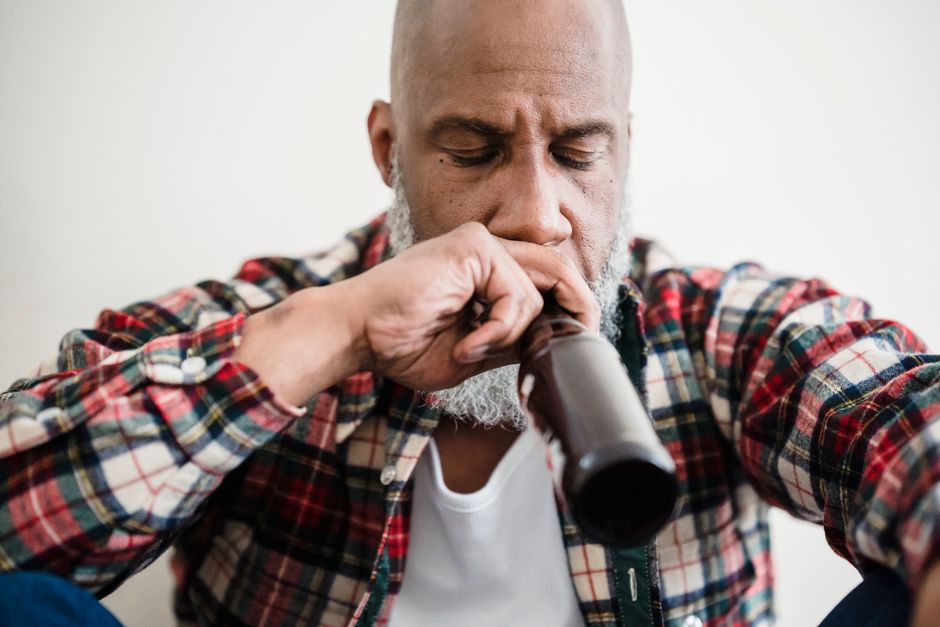
Your gut takes a hit every time you drink alcohol. It disrupts the balance of bacteria in your digestive system, damages the lining of your intestines, and triggers inflammation. The good news is that your gut can heal. Restoring gut health after alcohol is not complicated, but it takes consistency. The process involves eating the right foods, supporting your liver, and giving your body time to repair. This guide explains what actually works based on research, not hype.
What Happens to Your Gut When You Drink Alcohol?
Alcohol directly affects your entire digestive tract from mouth to colon. It kills beneficial bacteria in your gut microbiome. This allows less helpful bacteria to grow in their place. A 2018 study published in Alcohol Research: Current Reviews found that alcohol changes the composition of gut bacteria within days of regular drinking.
Alcohol also damages the cells that line your intestines. This condition is often called “leaky gut.” The tight junctions between intestinal cells loosen up. Undigested food particles and toxins then pass into your bloodstream. Your immune system reacts to these particles, which causes body-wide inflammation.
The liver works overtime to process alcohol. When your liver is busy breaking down alcohol, it has less capacity to filter toxins from your gut. This creates a cycle where gut problems strain the liver, and a strained liver worsens gut problems. The National Institute on Alcohol Abuse and Alcoholism reports that alcohol-related liver disease often begins with gut barrier damage.
Alcohol also reduces stomach acid production. Stomach acid is your first line of defense against harmful bacteria entering your intestines. Less acid means more pathogens survive and reach your gut.
How Long Does It Take to Restore Gut Health After Alcohol?
There is no single timeline that fits everyone. The speed of recovery depends on how much you drank, for how long, and your overall health before stopping. Some people notice improvements in digestion within a few days. Full restoration of the gut lining and microbiome can take weeks to months.
Research shows that the gut microbiome can begin to recover within 14 days of stopping alcohol. A study in Frontiers in Microbiology found that gut bacteria diversity increased significantly after two weeks of abstinence in heavy drinkers. The gut lining repairs more slowly. Intestinal barrier function may take four to six weeks to normalize after stopping alcohol.
If you drank heavily for years, recovery takes longer. Your body has more damage to repair. Consistent healthy habits speed up the process. One night of heavy drinking followed by a week of good habits will show faster improvement than years of daily drinking followed by the same week.
Do not expect overnight results. Your gut is a complex ecosystem. It did not fall out of balance in a day, and it will not rebalance in a day either.
What Foods Help Restore Gut Health After Alcohol?
Food is the most powerful tool you have. What you eat directly feeds your gut bacteria and provides the raw materials your intestinal cells need to repair.
Fermented foods are the best source of live beneficial bacteria. Yogurt, kefir, sauerkraut, kimchi, and miso contain probiotics that can help replenish your gut microbiome. A study in Cell found that eating fermented foods increased microbiome diversity more effectively than taking probiotic supplements. Aim for one serving per day.
Prebiotic fiber feeds the good bacteria already in your gut. Foods like garlic, onions, leeks, asparagus, bananas, and oats contain this type of fiber. Your gut bacteria ferment prebiotic fiber and produce short-chain fatty acids. These fatty acids are the main fuel source for cells lining your colon. They also help repair the gut barrier.
Collagen and bone broth provide amino acids like glycine and proline that support intestinal lining repair. The evidence here is weaker than for fermented foods and fiber. Some animal studies show benefit. Human studies are limited. Including bone broth in your diet is unlikely to hurt and may help, but do not rely on it as your only strategy.
Polyphenol-rich foods reduce inflammation in the gut. Berries, dark chocolate, green tea, and olive oil all contain polyphenols. These compounds are not digested by your enzymes. Instead, your gut bacteria break them down and produce anti-inflammatory molecules. Research published in Nutrients shows that polyphenols can increase beneficial gut bacteria and decrease harmful ones.
| Food Type | How It Helps | Example Foods |
|---|---|---|
| Fermented | Adds live beneficial bacteria | Yogurt, kefir, kimchi, sauerkraut |
| Prebiotic fiber | Feeds existing good bacteria | Garlic, onions, oats, bananas |
| Collagen-rich | Supports gut lining repair | Bone broth, chicken skin, fish skin |
| Polyphenol-rich | Reduces gut inflammation | Berries, dark chocolate, green tea |


What Supplements Actually Help Restore Gut Health After Alcohol?
Supplements are not a replacement for good food. But some can support the process if used correctly. The evidence varies widely between different supplements.
Probiotic supplements are the most commonly recommended. The research is mixed. Some studies show that probiotics help restore gut bacteria after alcohol. Others show no significant benefit over placebo. The key issue is that probiotic supplements contain a limited number of bacterial strains. Your gut needs hundreds of strains. If you choose a probiotic, look for one with multiple strains and at least 10 billion colony-forming units. Lactobacillus and Bifidobacterium are the most studied strains for gut health.
L-glutamine is an amino acid that intestinal cells use for fuel. Some research suggests it helps repair the gut lining. A study in Current Opinion in Clinical Nutrition and Metabolic Care found that glutamine supports intestinal barrier function. The evidence is stronger in animal studies than human studies. Doses of 5 to 10 grams per day are commonly used in research.
Zinc supports the integrity of the gut lining. Alcohol depletes zinc levels in the body. A zinc deficiency makes it harder for your gut to repair itself. The National Institutes of Health recommends 8 to 11 mg per day for adults. Do not exceed 40 mg per day without medical supervision.
Vitamin D plays a role in gut barrier function and immune regulation. Low vitamin D levels are linked to increased intestinal permeability. A blood test is the only reliable way to know if you are deficient. If you are low, supplementation can help.
Be skeptical of any supplement that claims to “detox” your gut. Your liver and kidneys handle detoxification. Supplements cannot speed this process up in any meaningful way.
What Lifestyle Changes Support Gut Healing After Alcohol?
Food and supplements are only part of the picture. Your daily habits have a direct impact on gut health. These changes are often overlooked but matter just as much as diet.
- Sleep is when your body repairs itself. Your gut cells regenerate during deep sleep. Poor sleep increases cortisol, which damages the gut barrier. Aim for seven to nine hours per night. Consistent bedtimes help more than total hours alone.
- Stress management matters because stress directly affects gut function. Chronic stress reduces blood flow to the digestive system and alters gut bacteria. Even five minutes of deep breathing before meals can improve digestion.
- Exercise increases microbiome diversity. A study in Medicine & Science in Sports & Exercise found that regular aerobic exercise increased beneficial gut bacteria independent of diet. Moderate exercise is better than intense exercise for gut health. Walking, cycling, or swimming for 30 minutes most days is enough.
- Hydration supports digestion and nutrient absorption. Alcohol is a diuretic that dehydrates you. Dehydration slows down the movement of food through your intestines. Drink water consistently throughout the day. Your urine should be pale yellow.
- Eating on a schedule helps your gut microbiome. Your gut bacteria have their own circadian rhythms. Irregular eating patterns disrupt these rhythms. Eating meals at roughly the same time each day supports a stable gut environment.
What Should You Avoid While Trying to Restore Gut Health After Alcohol?
What you stop doing matters as much as what you start. Some common habits can undo your progress.
Processed foods with added sugars and artificial sweeteners feed harmful bacteria. Sugar promotes the growth of bacteria that produce inflammation. Artificial sweeteners like sucralose and saccharin have been shown in some studies to alter gut bacteria in negative ways. The research is not conclusive for all sweeteners, but avoiding them during recovery is a safe bet.
Non-steroidal anti-inflammatory drugs (NSAIDs) like ibuprofen and aspirin damage the gut lining. These drugs inhibit enzymes that protect the stomach and intestinal lining. If you have a headache after drinking, do not reach for ibuprofen. Acetaminophen is easier on the stomach but hard on the liver. Rest and hydration are better options.
Antibiotics should only be taken when absolutely necessary. Antibiotics kill both harmful and beneficial bacteria. A single course can disrupt your gut microbiome for months. If your doctor prescribes an antibiotic, ask if it is truly needed. Do not stop taking prescribed antibiotics without consulting your doctor.
Excessive caffeine can irritate an already sensitive gut. Caffeine increases stomach acid production and speeds up intestinal movement. This can cause discomfort and diarrhea. One cup of coffee is usually fine. Three or four cups may slow down healing.
Do not replace alcohol with sugary mocktails or soda. Sugar feeds the same harmful bacteria that alcohol allowed to grow. Plain water, herbal tea, or sparkling water with lemon are better choices.
Common Misconceptions About Restoring Gut Health After Alcohol
A lot of advice online is not backed by evidence. Some popular ideas can actually slow down your recovery.
Juice cleanses do not help your gut. They flood your system with sugar and lack the fiber and protein your gut needs to repair. Your liver does not need a “cleanse.” It needs you to stop drinking so it can do its normal job.
Activated charcoal does not absorb alcohol toxins. Charcoal binds to some substances in the stomach, but it does not remove the byproducts of alcohol metabolism from your body. It can also bind to nutrients and medications, making them less effective.
Apple cider vinegar does not restore gut bacteria. It is acidic and may help some people with digestion, but it has no direct effect on the microbiome. Drinking it undiluted can damage tooth enamel and irritate the esophagus.
You do not need to starve yourself. Some people think fasting gives the gut a “rest.” While short-term fasting has some health benefits, your gut needs nutrients to repair. Starving yourself slows down the healing process.
Frequently Asked Questions
How long does it take to restore gut health after alcohol?
Most people see noticeable improvement in digestion within two to four weeks of stopping alcohol. Full microbiome recovery can take two to three months depending on how long and how heavily you drank.
Can probiotics help restore gut health after alcohol?
Probiotics can help, but whole food sources like yogurt and kimchi are more effective than supplements. Look for supplements with multiple strains and at least 10 billion CFUs if you choose to take one.
What is the best diet to restore gut health after alcohol?
A diet rich in fermented foods, prebiotic fiber, and polyphenols from fruits and vegetables is the most effective. Avoid processed foods, added sugars, and artificial sweeteners during recovery.
Does drinking water help restore gut health after alcohol?
Staying hydrated supports digestion and nutrient absorption but does not directly restore gut bacteria. Water helps your body function properly while the gut heals on its own.
