
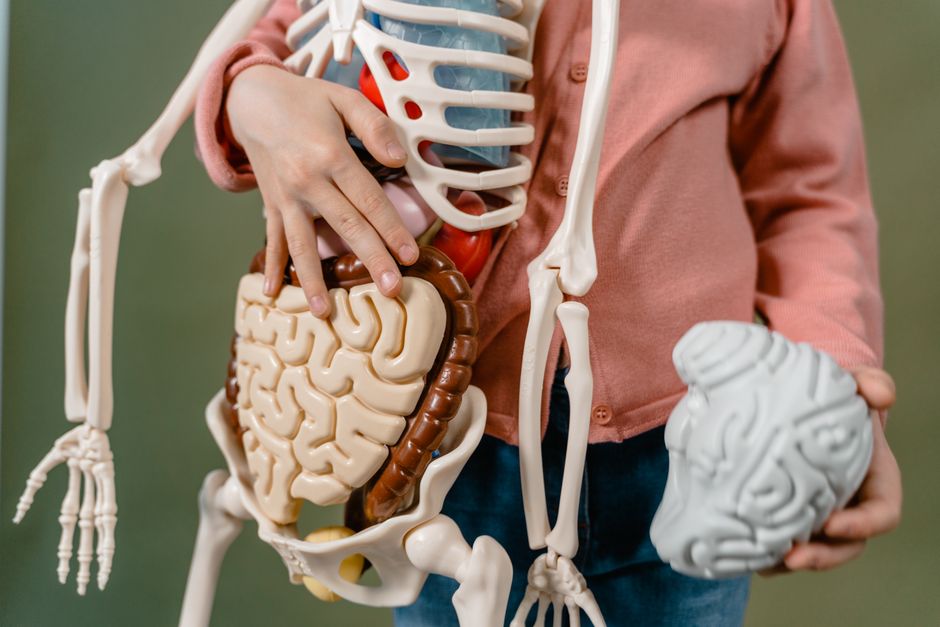
Your gut health affects everything from your digestion to your mood to your immune system. To restore your gut health, experts recommend eating a diverse diet rich in fiber and fermented foods, managing stress, getting enough sleep, and avoiding unnecessary antibiotics. The most effective approach focuses on feeding the good bacteria already living in your gut rather than trying to replace them with expensive supplements.
What Actually Causes Poor Gut Health?
Your gut microbiome is the collection of trillions of bacteria, fungi, and other microbes living in your digestive tract. When this ecosystem gets out of balance, health problems can follow. The causes are usually a combination of factors, not a single mistake.
The most common disruptors include a diet low in fiber and high in processed foods. The CDC reports that only about 5% of American adults get enough fiber each day. That matters because fiber is the primary food source for beneficial gut bacteria. Without it, those bacteria starve and less helpful strains take over.
Antibiotics are another major cause of gut disruption. They kill harmful bacteria but also wipe out beneficial ones. Research published in JAMA found that even a single course of antibiotics can alter the gut microbiome for up to one year. Other factors include chronic stress, poor sleep, and heavy alcohol use.
Some people report that artificial sweeteners affect their gut health. This is widely claimed though strong evidence is limited in humans. Animal studies suggest certain sweeteners like sucralose may alter gut bacteria, but human research has not confirmed this consistently.
How to Restore Your Gut Health Through Diet
Diet is the most powerful tool you have for improving your gut microbiome. The goal is not to eat one magic food but to eat a wide variety of plant-based foods consistently over time.
Fiber is the foundation. There are two main types and both matter. Soluble fiber dissolves in water and feeds bacteria in the large intestine. You find it in oats, beans, apples, and carrots. Insoluble fiber adds bulk to stool and helps food move through your system. It is found in whole wheat, nuts, and vegetables. Most people need both.
Fermented foods are another key piece. Yogurt, kefir, sauerkraut, kimchi, and kombucha contain live bacteria that can temporarily add to your gut population. A study published in Cell in 2021 found that people who ate fermented foods regularly showed increased microbiome diversity. The effect was modest but consistent.
Polyphenols are a less obvious but important category. These are plant compounds found in dark chocolate, green tea, berries, and red wine. Research shows they act as prebiotics, meaning they feed good bacteria. They are not fiber but they serve a similar purpose.
Here is a simple comparison of foods that support gut health versus foods that can disrupt it:
| Supports Gut Health | Can Disrupt Gut Health |
|---|---|
| Oats, barley, and whole grains | Ultra-processed snack foods |
| Yogurt and kefir with live cultures | High-sugar sodas and drinks |
| Beans, lentils, and chickpeas | Fried and greasy foods |
| Berries, apples, and bananas | Excessive alcohol |
| Leafy greens and cruciferous vegetables | Artificial sweeteners (in some studies) |
Do Probiotics and Supplements Actually Work?
Probiotic supplements are widely marketed as a quick fix for gut health. The truth is more complicated. Some studies suggest that probiotics can help in specific situations, like after a course of antibiotics or for certain digestive conditions. But for a generally healthy person, the evidence is weaker.
Research published in the journal Nature in 2018 found that probiotic supplements did not consistently colonize the gut of healthy people. In some cases, the bacteria simply passed through without taking hold. The study also found that taking probiotics after antibiotics may actually slow the return of the person’s original gut bacteria.
This does not mean probiotics are useless. It means they are not a substitute for good diet and lifestyle habits. If you do choose a probiotic, look for one with multiple strains and at least 10 billion colony-forming units. Store it properly, as many probiotics die at room temperature.
Prebiotic supplements are a different story. They contain the fiber that bacteria eat. Some people report bloating and gas when starting prebiotics, especially if they increase fiber too quickly. Start with a low dose and increase slowly over several weeks.


What Role Does Stress and Sleep Play?
Your brain and your gut are directly connected through the vagus nerve. This is called the gut-brain axis. When you are stressed, your body releases hormones that can change the environment in your gut. Beneficial bacteria are more sensitive to these changes than harmful ones.
Chronic stress has been shown to reduce the diversity of gut bacteria. A study from the University of California Los Angeles found that people with high stress levels had less varied microbiomes. Lower diversity is linked to higher inflammation and a greater risk of digestive issues.
Sleep is equally important. Your gut bacteria follow a daily rhythm just like you do. When you sleep poorly, that rhythm gets disrupted. Research shows that even a few nights of poor sleep can shift the balance of your gut bacteria toward less helpful strains.
Practical steps include aiming for seven to eight hours of sleep per night, keeping a consistent sleep schedule, and managing stress through activities like walking, deep breathing, or talking to a friend. These are not alternative treatments. They are direct inputs to your gut health.
What to Avoid When Trying to Restore Gut Health
Some popular gut health advice is not supported by evidence. Knowing what to skip can save you time and money. Here are some things to be cautious about:
- Gut cleanses and detoxes. There is no clinical evidence that juice cleanses or colonics improve gut health. Your body has its own detox systems. These products can actually remove beneficial bacteria and electrolytes.
- Extreme elimination diets. Cutting out entire food groups without medical reason can reduce the diversity of your microbiome. Unless you have a diagnosed intolerance, variety is better than restriction.
- Overuse of antibiotics. If your doctor prescribes antibiotics, take them as directed. But do not ask for them for viral infections. They do not work on viruses and they harm your gut bacteria.
- Unregulated supplements. The supplement industry is not tightly regulated. A product labeled as a probiotic may not contain the bacteria it claims. Some bottles have been found to contain no live bacteria at all.
Another common myth is that you need to “kill” bad bacteria in your gut. This is not how the microbiome works. The goal is to create an environment where beneficial bacteria can outcompete harmful ones. Starving bad bacteria by feeding good ones is more effective than trying to eliminate them directly.
How Long Does It Take to See Results?
Gut health changes do not happen overnight. Most people notice improvements in digestion and energy within two to four weeks of consistent dietary changes. But full shifts in the microbiome can take months.
A study from Stanford University found that participants who ate a diet high in fermented foods showed measurable changes in their microbiome diversity within three weeks. Those who ate a high-fiber diet took longer, about six to eight weeks, but the changes were more stable over time.
Individual results vary based on your starting point, your genetics, and how consistent you are. If you have been eating a low-fiber diet for years, your gut will not transform in a week. Be patient and focus on habits you can maintain long term.
A good sign that things are working is more regular bowel movements, less bloating, and more stable energy throughout the day. These are not dramatic changes for most people. They are gradual improvements that add up over time.
Frequently Asked Questions
Can you restore your gut health in a week?
No, meaningful changes to your gut microbiome take at least two to four weeks of consistent dietary and lifestyle changes. Quick fixes are not supported by evidence.
What is the fastest way to improve gut health?
Eating a diverse range of fiber-rich foods and fermented foods daily is the fastest evidence-based approach. Adding these foods with every meal helps feed beneficial bacteria quickly.
Do probiotics help restore gut health?
Probiotics can help in specific situations like after antibiotics, but for most people, eating fermented foods is more effective than taking supplements. The evidence for probiotics in healthy people is mixed.
Is coffee bad for your gut microbiome?
No, moderate coffee consumption is associated with higher microbiome diversity. Coffee contains polyphenols that act as prebiotics and feed beneficial bacteria.
