
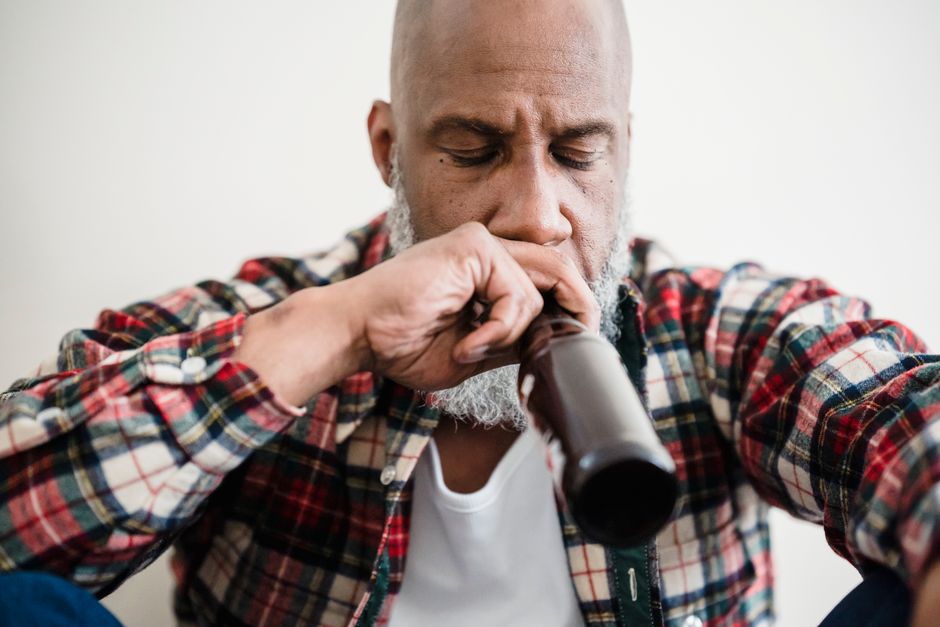
Alcohol travels through your digestive system from the moment it hits your mouth. It touches your stomach, small intestine, and colon, changing how each part works. Within minutes, it can irritate the lining of your gut, disrupt the balance of bacteria living there, and make it harder for your body to absorb nutrients. The effects range from temporary bloating and heartburn to longer-term changes in your gut microbiome that may affect your immune system and overall health.
What Happens to Your Gut When You Drink Alcohol?
Alcohol does not just pass through your digestive system like water or food. It directly damages the cells lining your stomach and intestines. The stomach lining can become inflamed, which slows down how fast food moves through you. This is why some people feel full or nauseous after drinking.
In the small intestine, alcohol reduces the tiny finger-like projections called villi that absorb nutrients. When these get damaged, your body struggles to take in vitamins like B12, folate, and zinc. Research published in Alcohol Research: Current Reviews found that even moderate drinking can reduce nutrient absorption by up to 30 percent in some people.
The colon also takes a hit. Alcohol speeds up muscle contractions in the large intestine, which pushes waste through too quickly. That is why some people get diarrhea after drinking. Others experience the opposite — constipation — because alcohol dehydrates the body and slows bowel movements.
How Does Alcohol Affect Your Gut Microbiome?
Your gut microbiome is the collection of trillions of bacteria, fungi, and other microbes living in your colon. These organisms help digest food, produce vitamins, and keep your immune system working. Alcohol disrupts this ecosystem in several ways.
Studies have shown that alcohol reduces the number of beneficial bacteria like Lactobacillus and Bifidobacterium. At the same time, it allows harmful bacteria like Enterobacteriaceae to grow more than they should. This imbalance is called dysbiosis. The American Gastroenterological Association notes that dysbiosis is linked to inflammation, weight gain, and a higher risk of chronic diseases.
One study in the journal Gut Microbes looked at people who drank moderately — one or two drinks per day — and found they had less microbial diversity than non-drinkers. Less diversity is generally a sign of a less resilient gut. The changes can happen within weeks of regular drinking and may take months to reverse after stopping.
Can Alcohol Cause Leaky Gut Syndrome?
Leaky gut is a term used to describe increased intestinal permeability. In simple terms, the tight junctions between cells in your gut lining loosen up. This allows partially digested food, toxins, and bacteria to pass into your bloodstream. Your immune system then reacts to these foreign particles, which can cause inflammation throughout the body.
Alcohol is one of the strongest known triggers for leaky gut. Research from the Journal of Hepatology found that a single episode of heavy drinking can increase intestinal permeability within 30 minutes. Even moderate drinking — two to three drinks in one sitting — can temporarily loosen tight junctions in some people.
Once the gut barrier is compromised, your liver has to work harder to filter out toxins that should have stayed in your digestive tract. Over time, this can contribute to fatty liver disease and other metabolic problems. The good news is that the gut lining can repair itself if you give it time without alcohol.





Does Alcohol Increase Gut Inflammation?
Yes, alcohol directly triggers inflammation in the gut. It does this by activating immune cells in the intestinal lining called mast cells and macrophages. These cells release inflammatory chemicals like cytokines. The result is redness, swelling, and pain in the digestive tract.
Chronic drinkers often have higher levels of a marker called calprotectin in their stool. This is a sign of intestinal inflammation. A study in Alimentary Pharmacology & Therapeutics found that people who drank more than seven drinks per week had significantly higher calprotectin levels than non-drinkers. Even people who drank only on weekends showed some increase.
Inflammation in the gut does not stay in the gut. It can spread through the bloodstream and contribute to joint pain, skin problems, and brain fog. Some researchers believe that gut inflammation from alcohol may be one reason why heavy drinkers have higher rates of depression and anxiety.
How Do Different Types of Alcohol Affect the Gut Differently?
Not all alcoholic drinks hit your gut the same way. The alcohol molecule itself is the main problem, but other ingredients matter too. Beer contains gluten and fermentable carbohydrates that can cause gas and bloating in people with sensitive guts. Wine has sulfites and histamines, which some people react to with flushing, stuffiness, or stomach cramps.
Hard liquor has no carbs or gluten, but it is more concentrated. A higher alcohol concentration can damage the gut lining faster than beer or wine. Mixed drinks add sugar, which feeds harmful bacteria and yeast in the gut. Sugary mixers like soda or juice can make the microbiome imbalance worse.
Here is a quick comparison of how common alcoholic drinks affect the gut:
| Drink Type | Alcohol Content | Gut Effects |
|---|---|---|
| Beer | 4-6% | Gas, bloating, gluten reaction in sensitive people |
| Wine | 12-15% | Histamine release, sulfite sensitivity, stomach acid increase |
| Hard liquor | 40%+ | Fast damage to gut lining, higher risk of inflammation |
| Mixed drinks | Varies | Added sugar worsens bacterial imbalance |
The key takeaway is that no type of alcohol is gut-friendly. But drinks with fewer additives and lower alcohol content may cause less immediate irritation for some people.
Can Your Gut Recover After You Stop Drinking?
Yes, the gut has a remarkable ability to heal. The lining of the small intestine regenerates every few days under normal conditions. When you stop drinking, the inflammation begins to calm down within 24 to 48 hours. Tight junctions between gut cells start to reseal within days to weeks.
The microbiome takes longer to bounce back. A study in Alcoholism: Clinical and Experimental Research followed people who stopped drinking for one month. After 30 days, their gut bacteria diversity improved, but it did not fully return to the level of non-drinkers. Full recovery may take three to six months or longer for heavy drinkers.
To support gut healing, focus on whole foods rich in fiber like vegetables, fruits, and whole grains. Fermented foods like yogurt, kefir, and sauerkraut provide beneficial bacteria. Prebiotic foods like garlic, onions, and bananas feed the good bacteria. Staying hydrated and managing stress also help the gut lining repair itself.
Some people report that probiotics help speed up recovery. The evidence is mixed. A review in Nutrients found that certain strains like Lactobacillus rhamnosus and Bifidobacterium bifidum may reduce alcohol-induced gut damage in animal studies. Human studies are still limited. Probiotics are not a replacement for cutting back on alcohol, but they may offer modest support.
Common Misconceptions About Alcohol and Gut Health
One common myth is that red wine is good for your gut because of antioxidants called polyphenols. While polyphenols can feed beneficial bacteria, the alcohol in wine still damages the gut lining. The negative effects of alcohol outweigh the positive effects of polyphenols in most people. Non-alcoholic red wine gives you the polyphenols without the gut damage.
Another myth is that drinking only on weekends protects your gut. Binge drinking — four or more drinks in a few hours — causes more damage to the gut barrier than spreading the same amount of drinks across a week. The sudden flood of alcohol overwhelms the gut’s ability to repair itself. Weekend binge drinkers show similar gut inflammation to daily moderate drinkers.
Some people believe that taking a probiotic before drinking prevents gut damage. Probiotics do not coat the gut lining in a protective layer. They cannot stop alcohol from damaging cells or loosening tight junctions. At best, they may help the microbiome recover faster afterward. The only reliable way to prevent alcohol-related gut damage is to drink less or not at all.
Frequently Asked Questions
How long does it take for alcohol to affect your gut?
Alcohol begins irritating your stomach lining within minutes of drinking. Changes to gut bacteria can start after just a few days of regular drinking.
Can one night of drinking damage your gut?
Yes, a single episode of heavy drinking can increase intestinal permeability and cause inflammation that lasts for days. The gut usually heals within a few days if you do not drink again.
Does alcohol kill gut bacteria?
Alcohol can kill some bacteria in the upper digestive tract, but it mostly disrupts the balance of bacteria in the colon. It reduces beneficial bacteria while allowing harmful bacteria to grow.
Is there a safe amount of alcohol for gut health?
No amount of alcohol has been shown to benefit gut health. The safest level for your gut is zero, though occasional light drinking causes less damage than regular or heavy drinking.
