
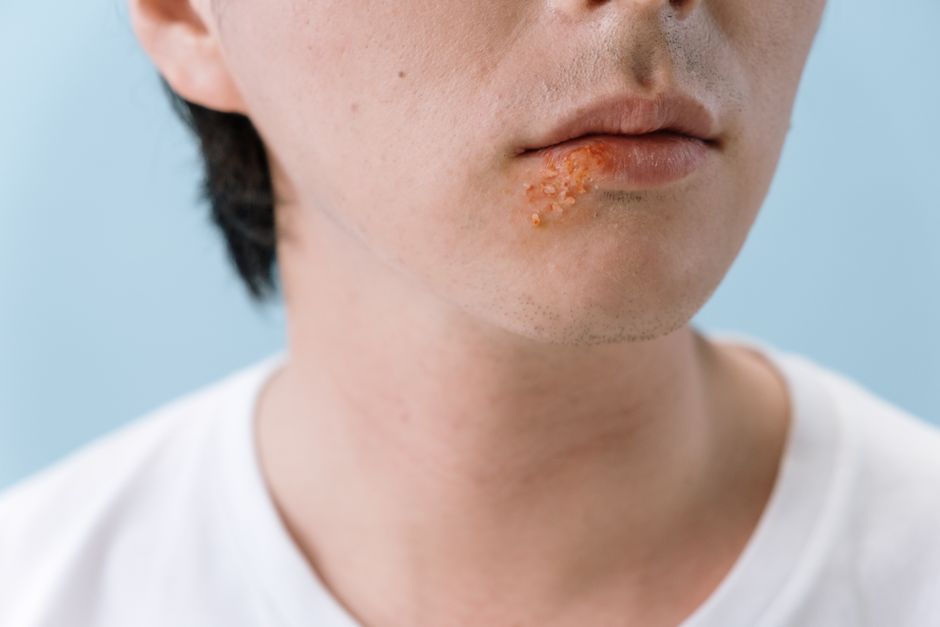
If you have a cold sore, you might wonder if Neosporin can help. The short answer is no. Neosporin is an antibiotic ointment for bacterial infections. Cold sores are caused by a virus. Antibiotics do not kill viruses. Neosporin will not make a cold sore heal faster or prevent future outbreaks. It may even irritate the skin or cause an allergic reaction in some people.
What Is Neosporin?
Neosporin is a brand of triple antibiotic ointment. It contains three active ingredients: bacitracin, neomycin, and polymyxin B. These antibiotics work together to stop bacteria from growing on the skin. Neosporin is used to prevent infection in minor cuts, scrapes, and burns. It is not designed to treat viral infections like cold sores.
What Causes Cold Sores?
Cold sores are caused by the herpes simplex virus type 1 (HSV-1). The virus lives in nerve cells and can reactivate. Triggers include stress, illness, sun exposure, and a weak immune system. When the virus becomes active, it travels to the skin and causes a blister. These blisters usually appear on or around the lips. They are contagious until they scab over.
The key point is that cold sores are viral. Antibiotics do not affect viruses. So Neosporin cannot stop the herpes virus from reproducing or causing symptoms.
Will Neosporin Help A Cold Sore?
No. Neosporin has no antiviral activity. It cannot treat the underlying herpes infection. Some people think putting Neosporin on a cold sore will keep it clean and prevent a secondary bacterial infection. While that is theoretically possible, it is not standard medical practice.
The American Academy of Dermatology and other health organizations do not recommend Neosporin for cold sores. In fact, neomycin (one of the ingredients) can cause allergic contact dermatitis in some people. That can make a cold sore look worse, not better.
If you apply Neosporin and notice increased redness, swelling, or itching, stop using it. That could be a sign of an allergic reaction.


Can Neosporin Prevent Infection In A Cold Sore?
Cold sores are open blisters. Like any break in the skin, they can become infected with bacteria. However, this is uncommon. The herpes virus itself causes inflammation and discomfort, but bacterial superinfection is rare in healthy people.
If you have a weakened immune system or a large, weeping sore, keeping the area clean is reasonable. But using Neosporin is not the best choice. Plain petroleum jelly (like Vaseline) can protect the skin without the risk of allergy. Or you can use a simple wound care ointment without neomycin.
No clinical trial has studied whether Neosporin reduces bacterial infection in cold sores. The evidence is absent. In general, doctors advise against putting antibiotics on cold sores because they are unnecessary and may cause irritation.
What Actually Works For Cold Sores?
Antiviral medications are the proven treatment for cold sores. They work best when started early, at the first sign of tingling or redness.
- Prescription antivirals: Acyclovir (Zovirax), valacyclovir (Valtrex), and famciclovir (Famvir) are oral medications that shorten healing time and reduce pain. They are most effective when taken at the first symptom.
- Over-the-counter creams: Docosanol (Abreva) is an FDA-approved nonprescription cream that can help a cold sore heal a day or two faster. It works by preventing the virus from entering healthy cells.
- Other options: Some people use topical lidocaine for pain, or keep the area moist with petroleum jelly to prevent cracking. Avoiding triggers like sun exposure and stress can reduce outbreaks.
No home remedy has strong evidence. Not honey, not tea tree oil, not lemon balm. Some small studies suggest these may have some effect, but the results are not consistent enough to recommend them over proven treatments.
When Should You See A Doctor For A Cold Sore?
Most cold sores go away on their own in 7 to 10 days. You do not usually need medical care. But see a doctor if:
- The cold sore does not heal within two weeks
- You have frequent or severe outbreaks
- The sore spreads to your eyes or other parts of your body
- You have a weakened immune system (from chemotherapy, organ transplant, or HIV)
- You develop signs of bacterial infection: increasing pain, pus, redness, or fever
A doctor can prescribe antiviral medication that will shorten the duration and reduce pain. They can also diagnose whether a sore is actually a cold sore or something else, like a canker sore or impetigo.
Summary: Will Neosporin Help A Cold Sore?
Neosporin is not an effective treatment for cold sores. It does not fight the virus that causes them. Using it is unnecessary and may cause skin irritation or allergy. For faster healing, use an antiviral cream like Abreva or ask your doctor for a prescription. Keep the area clean and avoid touching the sore to prevent spreading the virus to others.
Frequently Asked Questions
Can I put Neosporin on a cold sore to prevent infection?
It is not recommended. Bacterial infection of a cold sore is rare, and Neosporin can cause allergic reactions. Petroleum jelly is a safer option.
Why does my cold sore sting when I put Neosporin on it?
Neosporin contains neomycin, which can cause contact dermatitis in some people. The stinging may be an allergic reaction. Stop use and wash the area.
What is the fastest way to get rid of a cold sore?
Prescription antiviral pills like valacyclovir, taken at the first sign of symptoms, provide the fastest results. Over-the-counter Abreva can also help shorten healing time.
Is it safe to use Neosporin on a cold sore if it looks infected?
If you suspect a bacterial infection, see a doctor rather than self-treating. They can prescribe a proper antibiotic. Neosporin may not cover all bacteria and can worsen irritation.
