
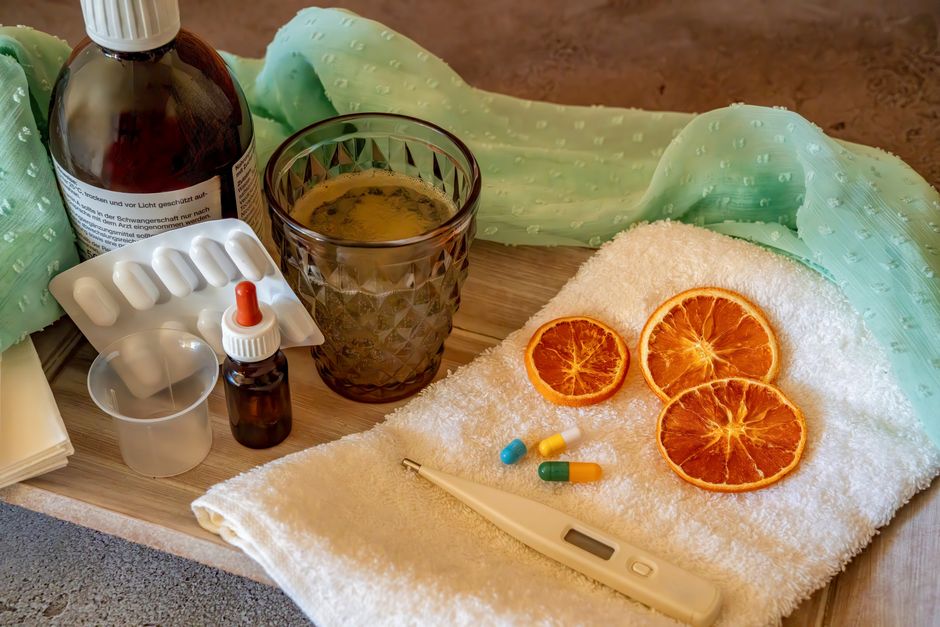
A cold sore can appear without warning and cause significant discomfort. To stop it fast, start treatment at the first tingle with an over-the-counter antiviral cream containing docosanol or a prescription antiviral medication like acyclovir or valacyclovir. Applying a cold compress to the area and taking an over-the-counter pain reliever like ibuprofen or acetaminophen can also help ease the pain and swelling. The sooner you act, the shorter and milder the outbreak is likely to be.
What Causes a Cold Sore?
Cold sores are caused by the herpes simplex virus type 1 (HSV-1). Once the virus enters the body, it stays there for life. It lives quietly in nerve cells until something triggers it to become active. Common triggers include stress, fatigue, a fever or cold, sun exposure, hormonal changes, and a weakened immune system. Not everyone who carries HSV-1 gets cold sores, but many people have occasional outbreaks when the virus reactivates.
What Are the First Signs of a Cold Sore?
Most people feel a warning before a cold sore appears. This is called the prodrome stage. You might notice a tingling, burning, or itching sensation in one spot on or around your lip. The skin may feel slightly raised or tender. This stage usually lasts a few hours to a day. Starting treatment during this window gives you the best chance to stop the blister from forming or to shorten its duration.
How To Soothe a Cold Sore Fast and Ease the Pain
Acting early is the single most effective thing you can do. As soon as you notice the tingle, apply an antiviral cream. Docosanol (Abreva) is available over the counter and works by blocking the virus from entering healthy cells. Prescription antiviral creams like acyclovir or penciclovir are stronger and require a doctor’s note. For people with frequent outbreaks, your doctor may prescribe an oral antiviral such as valacyclovir or acyclovir. Taking the oral medication at the first sign can stop the outbreak altogether.
To ease pain and reduce swelling, hold a cold compress—like a clean cloth wrapped around an ice cube—against the sore for 10 minutes at a time. Repeat several times a day. Over-the-counter pain relievers such as ibuprofen or acetaminophen can also help. Avoid touching the sore, picking at it, or trying to pop it. That will only make it worse and spread the virus to other parts of your skin or to other people.
Keep the area clean and dry. You can apply a gentle lip balm with SPF 30 or higher if you go outside, because sun exposure can trigger more outbreaks. Some people find that using a topical numbing agent like benzocaine or lidocaine helps with pain, but these do not treat the virus—they only numb the skin temporarily.



Do Over-the-Counter Cold Sore Creams Work?
Yes, some do. The evidence is strongest for antiviral creams that contain docosanol or acyclovir. Studies have shown that docosanol (sold as Abreva) can shorten healing time by about half a day to a full day when applied at the first symptom. Prescription creams like acyclovir and penciclovir are more effective, but they require a prescription. Creams that contain only numbing agents or moisturizers can help with comfort but will not stop the virus from replicating. There is no good evidence that toothpaste, rubbing alcohol, or household remedies speed healing, and they can irritate the skin.
When Should You See a Doctor for a Cold Sore?
Most cold sores heal on their own within 7 to 14 days. But see a doctor if the sore does not heal after two weeks, if you have very frequent outbreaks (more than six per year), or if the pain is severe. You should also see a doctor if the cold sore spreads to your eye area—herpes simplex can cause serious eye infections. People with weakened immune systems from conditions like HIV or chemotherapy should also get medical advice early. Your doctor may prescribe oral antiviral medication to shorten the outbreak and prevent future ones.
Can You Prevent Cold Sores?
Prevention focuses on avoiding your personal triggers. Common triggers include too much sun, lack of sleep, emotional stress, and illness. Wearing sunscreen on your lips every day can help. Some people take the amino acid L-lysine as a supplement to reduce outbreaks, but the evidence is mixed. A few small studies suggest lysine may help, but larger trials have not confirmed a clear benefit. Antiviral medication taken daily (suppressive therapy) is proven to reduce the frequency of outbreaks in people who get them often. Your doctor can help you decide if that is right for you.
Is a Cold Sore Contagious?
Yes. A cold sore is contagious from the first tingle until the sore is completely healed and the scab has fallen off. The virus spreads through direct contact, like kissing or sharing utensils, lip balm, towels, or razors. Do not touch the sore and then touch another part of your body, especially your eyes or genitals. Wash your hands frequently during an outbreak. Even when the sore is not clearly visible, you may still shed the virus without symptoms—so you can pass it on without knowing.
How Long Does a Cold Sore Last?
Without treatment, a cold sore typically lasts 7 to 14 days. With antiviral treatment started at the first sign, the sore may heal in 5 to 7 days. The blister stage usually lasts a few days, then it crusts over and forms a scab. The scab dries and falls off as new skin grows underneath. Picking at the scab can delay healing and increase scarring.
Frequently Asked Questions
Can toothpaste help heal a cold sore faster?
No. There is no evidence that toothpaste helps cold sores, and the ingredients in toothpaste can irritate the skin and delay healing. Stick to proven treatments like antiviral creams or cold compresses.
Does ice help a cold sore?
Yes, ice or a cold compress can reduce pain and swelling temporarily. It will not kill the virus or speed healing, but it can make you more comfortable during an outbreak.
Can you pop a cold sore blister?
No. Popping or picking at a cold sore can spread the virus to other areas and increase the risk of bacterial infection and scarring. Let the blister heal naturally.
How long is a cold sore contagious after it scabs?
A cold sore is still contagious while the scab is present. It stops being contagious only when the scab has completely fallen off and healthy skin has grown underneath. Until then, avoid close contact and sharing personal items.
