
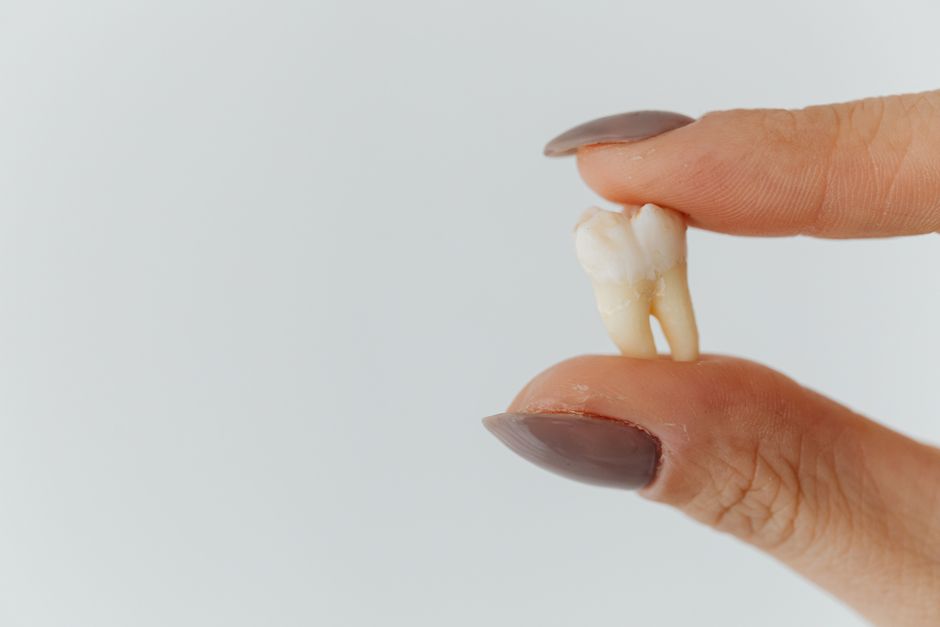
Tooth sensitivity to cold and hot happens when the protective layers of your teeth wear down, exposing the soft inner layer called dentin. Dentin contains tiny tubes that lead directly to the nerve. When you drink something cold or hot, the temperature change makes fluid inside these tubes move, and that movement triggers a pain signal to the nerve.
What causes tooth sensitivity to cold and hot?
The most common cause is enamel erosion or gum recession. Enamel is the hard outer coating of your teeth. When it gets thinner from acidic foods, brushing too hard, or grinding your teeth, the dentin underneath becomes exposed. Gums can also pull back due to aging, aggressive brushing, or gum disease, exposing the tooth roots. Roots do not have enamel, so they are much more sensitive to temperature.
Other causes include cavities, cracked teeth, worn fillings, and recent dental work like fillings or crowns. Each of these can open a pathway to the nerve. Sometimes sensitivity is temporary after a dental cleaning or whitening treatment, but it usually fades within a few days.
How does temperature trigger tooth pain?
Think of dentin like a bundle of straws. Each tiny tube — called a tubule — runs from the outer surface of the dentin to the nerve inside the tooth. The tubules are filled with fluid. When cold touches the tooth, the fluid contracts slightly. When heat touches it, the fluid expands. This movement stimulates the nerve endings at the base of the tubules, and your brain interprets that as pain or a sharp jolt. The stronger the temperature change, the more the fluid moves, and the more intense the sensation.
This mechanism is well understood and is the basis for how desensitizing toothpastes work. They block the tubules so the fluid cannot move as easily.
Is tooth sensitivity a sign of a cavity or cracked tooth?
It can be. A cavity that reaches the dentin can cause temperature sensitivity. So can a cracked tooth — the crack allows temperature changes to reach the nerve directly. However, not every sensitive tooth has a cavity. Many people have healthy teeth with exposed dentin from receding gums or enamel wear. Your dentist can tell the difference by examining your teeth, taking X-rays, and sometimes using air or cold tests.
If the sensitivity is sharp and lasts only a few seconds after the hot or cold stimulus stops, it is more likely to be from exposed dentin. If the pain lingers for 30 seconds or more, it may signal deeper nerve inflammation (pulpitis) from decay or trauma, and you should see a dentist promptly.




Can teeth whitening make sensitivity worse?
Yes. Teeth whitening products contain peroxide-based bleaching agents that penetrate enamel and can temporarily irritate the nerve. This usually causes sensitivity during and shortly after treatment. Studies show that about 40-50% of people experience some tooth sensitivity during whitening. The effect is typically temporary, lasting a few days to a week after treatment stops.
If you plan to whiten your teeth, using a desensitizing toothpaste for two weeks beforehand may help. You can also choose whitening products with lower peroxide concentrations or use them for shorter exposure times.
When should I see a dentist for tooth sensitivity?
See a dentist if the sensitivity is new, severe, or lasts more than a few seconds after the hot or cold stimulus is removed. Also see a dentist if you have pain that keeps you from sleeping or eating normally, or if the sensitivity does not improve after a couple of weeks of using a desensitizing toothpaste.
These signs could indicate a cavity that needs a filling, a cracked tooth, a failing filling, or gum disease. Your dentist will clean your teeth, check for these problems, and recommend the appropriate treatment. Early treatment is simpler and less expensive than waiting until the nerve becomes infected or dies.
How can I prevent tooth sensitivity?
Prevention focuses on protecting your enamel and gums. Use a soft-bristled toothbrush and avoid scrubbing hard — gentle circular motions are enough. Limit acidic foods and drinks like citrus, soda, and wine, and rinse your mouth with water after consuming them. Wait at least 30 minutes before brushing after eating acidic foods, because acid softens enamel and brushing immediately can wear it away.
If you grind your teeth at night, ask your dentist about a mouthguard. Grinding wears down enamel over time. For gum recession, your dentist may recommend a technique called gum grafting if it is severe. For general sensitivity, over-the-counter desensitizing toothpaste containing potassium nitrate or stannous fluoride is the first-line option. Some research supports the effectiveness of these ingredients for reducing dentin hypersensitivity.
Does dental work cause temporary sensitivity?
Yes. Fillings, crowns, and even professional cleanings can make teeth temporarily sensitive to cold and hot. After a filling, the tooth may be irritated from the drilling and the materials used. After a crown, the underlying tooth is often slightly exposed. After a deep cleaning, the gums may recede a bit, exposing roots. This sensitivity usually resolves within a week or two. If it persists longer, check with your dentist to make sure the restoration fits properly and there is no hidden problem.
Frequently Asked Questions
Can tooth sensitivity go away on its own?
Sometimes yes, if the sensitivity is from a temporary cause like recent whitening or a mild gum irritation that heals. But if the cause is enamel erosion, gum recession, or a cavity, it usually will not go away without treatment.
What toothpaste is best for sensitive teeth?
Toothpastes with potassium nitrate or stannous fluoride are well studied for reducing dentin hypersensitivity. Brands that include these ingredients should say “desensitizing” or “sensitivity relief” on the package.
Is tooth sensitivity a sign of a serious problem?
Not always, but it can be. If pain lingers after the hot or cold trigger is removed, if you have swelling, or if sensitivity suddenly gets worse, these are signs of a problem that needs a dental exam.
Can I prevent sensitivity from brushing too hard?
Yes. Switch to a soft-bristled brush and use gentle, circular motions. Avoid scrubbing back and forth. This helps prevent enamel wear and gum recession over time.
