
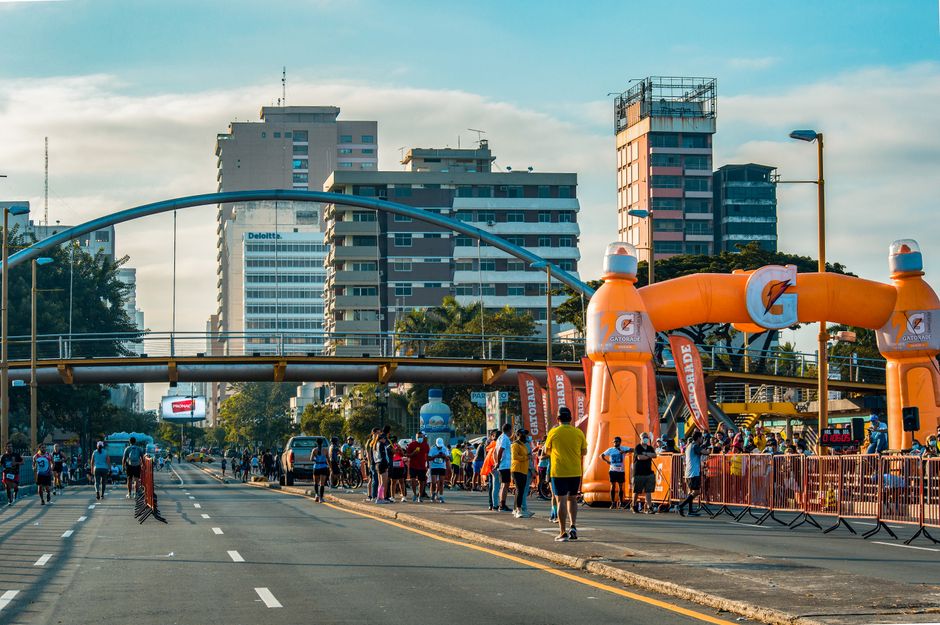
Yes, Gatorade will rehydrate you. It contains water, sugar, and electrolytes, which are the three basic ingredients needed to restore fluids and minerals lost through sweat. For most people doing moderate exercise or dealing with a mild illness, it works well. The bigger question is whether you actually need it over plain water, and that depends on the situation.
How Does Gatorade Actually Work?
Gatorade is a sports drink designed to replace what you lose when you sweat. Sweat is not just water. It contains sodium, potassium, chloride, and small amounts of other minerals. These are electrolytes, and they help your nerves and muscles work properly.
When you drink Gatorade, the water in it restores your body’s fluid volume. The sodium helps your body hold onto that water instead of quickly peeing it out. The sugar provides quick energy for working muscles. This combination is why sports drinks can be more effective than water during long or intense exercise.
The science behind this is well established. Your intestines absorb glucose and sodium together through a specific transport mechanism. This means the sugar in Gatorade is not just for taste. It actually helps your gut pull water into your bloodstream more efficiently than plain water alone.
When Do You Actually Need Gatorade?
The short answer is that most people do not need a sports drink for everyday activities. If you are sitting at a desk, running errands, or taking a 20-minute walk, water is all you need. Your body is very good at maintaining its electrolyte balance through normal eating and drinking.
Gatorade becomes genuinely useful in specific situations:
- Exercise lasting longer than 60 minutes, especially in heat
- High-intensity sports like soccer, basketball, or distance running
- Heavy sweating with visible salt stains on clothing
- Illnesses causing vomiting or diarrhea, where electrolyte loss is significant
For these scenarios, the sugar and sodium in Gatorade provide a real advantage. Your muscles need the carbohydrates for fuel, and your body needs the sodium to replace what you lost. This is not marketing. This is exercise physiology.
What About Gatorade for Illness and Dehydration?
Gatorade is often used for stomach bugs and other illnesses that cause fluid loss. It can help, but it is not always the best choice. Oral rehydration solutions like Pedialyte are specifically formulated for illness-related dehydration. They contain a higher ratio of electrolytes to sugar compared to Gatorade.
The concern with Gatorade during illness is the sugar content. A standard 20-ounce bottle of Gatorade contains about 34 grams of sugar. High sugar intake can draw water into the intestines, which can worsen diarrhea in some cases. This is why oral rehydration solutions use a lower sugar concentration that is optimized for water absorption.
For a mild illness where you are losing fluids but not severely dehydrated, Gatorade is generally fine. For severe dehydration, especially in children or older adults, an oral rehydration solution is the safer and more effective option. If someone cannot keep fluids down at all, they need medical attention regardless of what drink they choose.





Gatorade vs. Water vs. Other Sports Drinks
The right choice depends on your activity level and goals. Here is how the main options compare for rehydration:
| Drink | Best For | Main Limitation |
|---|---|---|
| Water | Daily hydration, exercise under 60 minutes | No electrolytes or energy for long sessions |
| Gatorade | Exercise over 60 minutes, heavy sweating | High sugar content for everyday use |
| Oral rehydration solutions | Illness-related dehydration | Taste is often less appealing |
| Coconut water | Light rehydration with natural source | Lower sodium than sports drinks |
For most people doing everyday activities, water wins. It is calorie-free, cost-free, and perfectly sufficient. Gatorade becomes the better choice when your body is actually depleting its electrolyte stores through heavy sweating or illness.
Does the Sugar in Gatorade Matter?
The sugar in Gatorade is a double-edged sword. During exercise, it is a benefit. Your muscles use that carbohydrate for fuel, and the sugar helps your intestines absorb water faster. For an athlete running a marathon, that sugar is essential.
For someone drinking Gatorade while watching television, the sugar is pure extra calories. A 20-ounce bottle has about 140 calories, all from sugar. Regular consumption without exercise can contribute to weight gain and blood sugar spikes. This is why Gatorade also makes Gatorade Zero, which replaces sugar with artificial sweeteners.
Gatorade Zero will still rehydrate you because it contains water and electrolytes. The sugar is not required for rehydration itself. It is required for energy during exercise. If you are choosing Gatorade for hydration alone and not for performance, the sugar version offers no advantage over the zero-sugar version.
How Much Gatorade Should You Drink?
There is no single correct amount that works for everyone. Fluid needs vary based on body size, sweat rate, exercise intensity, and environmental conditions. The general approach is to drink when thirsty and to replace roughly the amount of fluid you lose through sweat.
A practical way to estimate your sweat loss is to weigh yourself before and after exercise. Every pound lost during exercise equals about 16 ounces of fluid. Drinking that amount of Gatorade or water after your workout will bring you back to your starting hydration level. This method is simple and works for most people.
For daily hydration outside of exercise, the common guidance is to drink enough water so that your urine is light yellow or clear. Dark urine typically indicates you need more fluids. This applies whether you drink Gatorade or water.
Are There Any Risks with Gatorade?
For healthy people, Gatorade is safe when consumed in reasonable amounts. The main risks come from overconsumption, not from the drink itself. Drinking excessive amounts of any fluid can lead to a condition called hyponatremia, where blood sodium levels drop too low. This is rare but can happen with endurance athletes who drink large volumes of water without enough sodium.
People with certain medical conditions should be cautious. Those with diabetes need to account for the sugar content. People with kidney disease may need to limit potassium and other electrolytes. Anyone with high blood pressure should be aware of the sodium content, which is about 270 milligrams per 20-ounce bottle.
For most people, these are not concerns. Gatorade is a beverage, not a medication. It does not require a prescription or special caution. But it also is not a health drink. It is a tool for specific situations, and using it outside those situations is simply consuming unnecessary sugar and sodium.
Frequently Asked Questions
Is Gatorade better than water for dehydration?
Gatorade is better than water only when you have lost significant electrolytes through heavy sweating or illness. For everyday dehydration, water is equally effective with no added sugar or calories.
Can Gatorade make dehydration worse?
In most cases, no. But the high sugar content can worsen diarrhea in people with stomach bugs, which is why oral rehydration solutions are preferred for illness-related dehydration.
How long does it take for Gatorade to rehydrate you?
Most people feel rehydrated within 30 to 60 minutes after drinking a full bottle. The exact time depends on how dehydrated you are and how quickly your stomach empties.
Is Gatorade Zero as effective as regular Gatorade?
For rehydration alone, yes. Gatorade Zero contains the same water and electrolytes without the sugar. Regular Gatorade only has an advantage when you need the carbohydrate for energy during prolonged exercise.
