
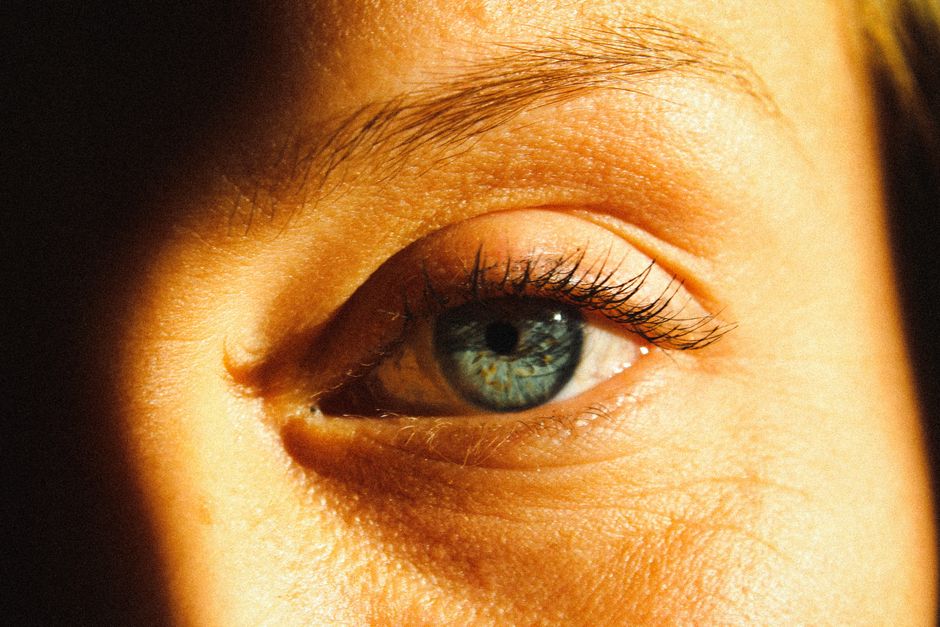
If bright light makes you squint, tear up, or turn away, you are experiencing photophobia — the medical term for light sensitivity. It is not a disease on its own. It is a symptom, and a surprisingly common one. Photophobia happens when the eye’s light-detecting system and the brain’s pain-processing pathways get activated more strongly than they should. That signal can come from the eye itself, from the nerves that carry visual information, or from the brain. This article explains the main reasons it happens, when it deserves a doctor’s attention, and what actually helps.
Why Are Your Eyes So Sensitive To Light? Why It Happens
Light enters your eye and strikes the retina, a thin layer of tissue at the back. Specialized cells there convert light into electrical signals. Those signals travel down the optic nerve to the brain. In most people, this process produces vision without discomfort. In photophobia, the same process triggers pain or avoidance.
Research points to a specific pathway. Certain light-sensitive cells in the retina connect to nerve fibers that also carry pain signals from the eye and face. Bright light can activate these fibers directly. That is why light sensitivity often travels with headache and eye pain rather than appearing alone.
The discomfort is real, not imagined or exaggerated. Two people can have identical eyes and very different thresholds for light. Thresholds shift depending on eye health, brain state, medications, and genetics.
What Causes Light Sensitivity in Healthy Eyes?
Plenty of people with completely normal eye exams still find bright light uncomfortable. Several factors explain this.
- Eye color. Lighter irises contain less pigment. Pigment absorbs light, so less of it means more stray light reaches the retina. People with blue or green eyes often report more light sensitivity.
- Migraine biology. Many people who get migraines are sensitive to light even between attacks. This is not a coincidence — the same brain chemistry involved in migraine lowers the threshold for light discomfort.
- Age-related lens changes. As the lens of the eye ages, it can scatter light instead of focusing it cleanly. This becomes more noticeable in the 40s and beyond.
- Medications. Some drugs list light sensitivity as a known side effect. Certain antibiotics, acne treatments, and diuretics are common examples.
- Fatigue and sleep loss. Tired eyes and tired brains handle sensory input less well. Light that feels fine when rested can feel harsh when exhausted.
None of these necessarily mean something is wrong. They are variations in how the visual system is built and how it is currently functioning.
Which Eye Conditions Make Light Painful?
When light sensitivity is new, severe, or one-sided, an eye condition is more likely. Several conditions cause it directly.
Dry eye is one of the most common. A healthy tear film smooths the surface of the eye. When it breaks down, the exposed surface becomes irritated, and light makes it worse. Dry eye is often worse in air conditioning, wind, or on screens.
Corneal problems — scratches, infections, or inflammation — irritate the most densely nerve-packed tissue in the body. Light sensitivity here is often sharp and intense, and it usually comes with a feeling that something is in the eye.
Uveitis is inflammation inside the eye. It causes pain, redness, and strong light sensitivity, and it needs prompt medical care because it can damage vision if untreated.
Cataracts cause light to scatter inside the eye. People notice glare from headlights and sunlight long before their vision seems blurry.
Conjunctivitis (pink eye) and other surface infections can make light uncomfortable while the eye is inflamed. This usually settles as the infection clears.




How Are Migraine and Light Sensitivity Connected?
Migraine and photophobia are tightly linked. Most people who get migraines become sensitive to light during an attack. A large share are also sensitive between attacks, which surprises many people who assume the symptom should disappear when the headache does.
The connection runs through the brain, not just the eye. The trigeminal nerve carries sensation from the face and eye. In migraine, this nerve becomes overactive. Bright light feeds into the same circuit. That is why a dark room helps — it reduces the input driving the pain.
Some people experience photophobia without ever having a headache. In those cases, the light sensitivity itself may be the main migraine symptom. This pattern is more common than many people realize.
Can Light Sensitivity Be a Sign of Something More Serious?
Most light sensitivity is not dangerous. But certain patterns deserve prompt medical attention.
Seek care quickly if light sensitivity comes with:
- Severe headache that started suddenly or feels like the worst of your life
- Stiff neck, fever, or rash
- Vision loss, double vision, or new floaters
- Eye redness with pain and reduced vision
- Symptoms after a head injury
These can signal conditions such as meningitis, a serious eye infection, or bleeding inside the skull. They are uncommon, but they are the reason not to ignore light sensitivity when it arrives suddenly or with other warning signs.
Meningitis is a specific concern because light sensitivity is a recognized symptom alongside fever, headache, and neck stiffness. If several of these appear together, that combination is a medical emergency.
What Actually Helps With Light Sensitivity?
Treatment depends on the cause. There is no single fix, and anything promising to cure photophobia should be treated with skepticism.
For everyday management, several approaches have reasonable support:
- Tinted lenses. Sunglasses or specially tinted glasses reduce the amount of light reaching the retina. This manages symptoms rather than treating the cause.
- Wide-brimmed hats. Simple and effective for outdoor glare.
- Screen adjustments. Lowering brightness, increasing text size, and reducing time in bright rooms can help.
- Treating the underlying condition. Dry eye, uveitis, and migraine all have established treatments. Addressing these often reduces light sensitivity directly.
One caution: wearing dark sunglasses constantly indoors can make the eyes more sensitive over time. The visual system adapts to whatever light level it regularly experiences. Some clinicians recommend using tinted lenses only when needed rather than all day, every day.
When Should You See a Doctor About Light Sensitivity?
See a doctor if light sensitivity is new, is getting worse, affects one eye more than the other, or comes with pain, redness, or vision changes. These features point toward an eye condition that needs diagnosis and treatment.
You should also see a doctor if light sensitivity is interfering with daily life — driving, working, or spending time outdoors. That level of impact is worth investigating rather than enduring.
An eye exam can usually identify surface problems, inflammation, and cataracts. If the eyes look normal, the cause may be neurological, and a doctor may look at migraine or other brain-related explanations.
Is Light Sensitivity Something You Just Live With?
Sometimes, yes. People with lighter eyes, older lenses, or a migraine-prone brain may always find bright light uncomfortable. That is a trait, not a failing, and it can be managed.
But new or worsening light sensitivity is a signal worth listening to. It is the eye and brain telling you something has changed. In many cases, that something is treatable. In a smaller number, it is a warning sign that needs urgent attention.
Paying attention to when it started, which situations trigger it, and what comes along with it gives a doctor the information needed to find the cause. Light sensitivity is common, but it is not something to simply push through when it changes or intensifies.
Frequently Asked Questions
Why are my eyes suddenly sensitive to light?
Sudden light sensitivity often points to a new eye problem such as dry eye, a corneal scratch, or inflammation inside the eye. If it comes with severe headache, fever, or vision changes, seek medical care right away.
Is light sensitivity a sign of a serious condition?
Most cases are not serious and relate to dry eye, migraine, or normal eye variation. It can be a warning sign when it appears with a stiff neck, fever, sudden severe headache, or vision loss, which require urgent care.
Can light sensitivity be caused by migraines?
Yes, migraine is one of the most common causes, and many people remain sensitive to light even between attacks. The sensitivity comes from an overactive nerve pathway in the brain, not just the eye.
Do sunglasses make light sensitivity worse over time?
Wearing dark sunglasses constantly indoors may make the eyes adapt to low light and feel more sensitive when you go outside. Some clinicians suggest using tinted lenses only when you actually need them.
