
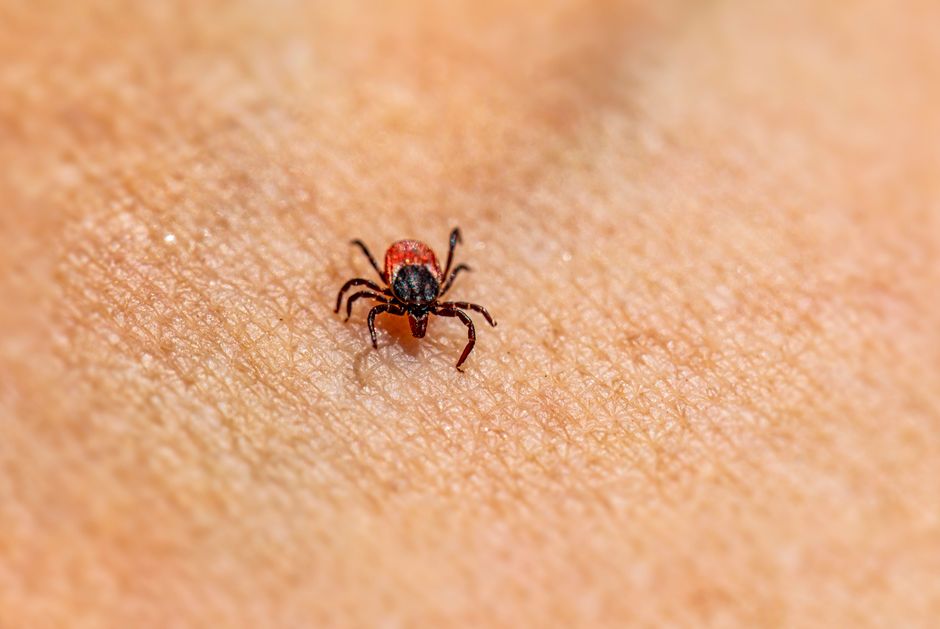
Yes, centipedes can bite humans. A centipede bite happens when the animal uses its front legs, which are modified into venomous claws called forcipules, to pinch and inject venom. Most centipede bites are painful but not dangerous, though the level of pain and the severity of the reaction depend on the species and the individual person.
Do Centipedes Bite or Sting?
Centipedes do not bite in the way a dog or a mosquito does. They do not have jaws that clamp down in a typical bite. Instead, they use a pair of modified legs located just behind the head. These are called forcipules.
These forcipules look like claws. When a centipede feels threatened, it grabs the skin with these claws and injects venom through them. This is technically a bite, but it functions more like a sting because venom is delivered through a puncture wound.
People often confuse this with a sting from a bee or wasp. The mechanism is similar in that venom is injected, but the anatomy is entirely different. Centipedes use these claws for hunting prey and for defense. When a human is bitten, it is almost always defensive.
Will Centipedes Bite Humans?
Centipedes will bite humans only in self-defense. They do not seek out humans as prey. A centipede would rather run away than fight. Bites typically happen when a person accidentally steps on one, reaches under a rock or log where one is hiding, or puts on clothing or shoes where a centipede has taken shelter.
House centipedes, which are common in many US homes, are capable of biting. However, their forcipules are small and weak. They have difficulty piercing human skin. Most encounters with house centipedes result in no bite at all.
Larger species, such as the giant desert centipede found in the southwestern United States, have much larger forcipules. These can easily break human skin and deliver a more significant amount of venom. The bite from these larger species is considerably more painful.
What Does a Centipede Bite Look and Feel Like?
The immediate sensation is sharp, intense pain. Many people describe it as feeling like a bee sting, but some report it as more intense. The pain from a larger species can be severe and may radiate up the affected limb.
Typically, two small puncture marks are visible at the bite site. The area around the bite often becomes red and swollen. This is a normal reaction to the venom.
Other common symptoms include:
- Numbness or burning at the site
- Mild swelling
- Redness and warmth
- Itching
These symptoms usually resolve within a few hours to a couple of days. For most healthy adults, a centipede bite is a temporary, painful event with no lasting consequences.





When Is a Centipede Bite Dangerous?
Serious complications from centipede bites are rare. However, they can happen. The risk depends on the species and the person bitten.
Some people experience a severe allergic reaction to the venom. This is not common, but it can be serious. Signs of a severe allergic reaction include difficulty breathing, swelling of the face or throat, dizziness, and a rapid heartbeat. These symptoms require immediate emergency medical care.
In rare cases, the bite site can become infected. This is not caused by the venom itself but by bacteria entering the wound. Signs of infection include increasing pain, spreading redness, pus, and fever.
Children and people with weakened immune systems may have stronger reactions to the venom. Their bodies may respond more intensely to the toxins. In these cases, it is wise to seek medical advice even if symptoms seem mild.
There is also a specific concern with the giant desert centipede. Its venom is potent enough to cause more systemic symptoms, including headache, nausea, and anxiety. While still rarely dangerous, these bites are significantly more unpleasant.
How to Treat a Centipede Bite at Home
Most centipede bites can be managed at home. The goal is to reduce pain and prevent infection. No specific antidote exists for centipede venom, so treatment focuses on symptom relief.
Wash the bite area thoroughly with soap and water as soon as possible. This removes any venom on the surface of the skin and reduces the risk of bacterial infection.
Apply a cold compress or ice pack wrapped in a cloth to the area. This helps reduce pain and swelling. Apply it for 10 to 15 minutes at a time.
Over-the-counter pain relievers such as acetaminophen or ibuprofen can help manage the pain. An antihistamine may help with itching and localized swelling.
Keep the area clean and watch it closely. If you notice any signs of infection, such as increasing redness, warmth, or discharge, see a doctor.
What Not to Do After a Centipede Bite
There are some common myths about treating bites and stings that you should avoid. These methods are not supported by evidence and can make things worse.
Do not apply a tourniquet. This is not recommended for centipede bites. It restricts blood flow and can cause tissue damage without providing any benefit.
Do not cut the wound open to “drain” the venom. This increases the risk of infection and does not remove the venom already injected into the tissue.
Do not apply heat. Heat can increase blood flow to the area and potentially spread the venom or worsen inflammation. Cold is the preferred method.
Do not try to capture the centipede for identification unless you can do so safely. For most bites, identification is not necessary for treatment. If you are having a severe reaction, get medical help rather than focusing on the centipede.
How to Prevent Centipede Bites
Prevention is straightforward. Centipedes are predators that hunt other insects. They are nocturnal and prefer dark, damp places. Reducing these conditions in and around your home will reduce encounters.
Seal cracks and gaps in foundations, walls, and around doors and windows. Centipedes are small and can squeeze through surprisingly tiny openings.
Reduce moisture. Fix leaky pipes, use dehumidifiers in damp basements, and ensure proper ventilation in bathrooms and crawl spaces. Centipedes need moisture to survive.
Remove clutter. Piles of leaves, wood, stones, and debris outside provide shelter. Inside, boxes, papers, and clutter on the floor give them places to hide.
Control other insects. Centipedes eat cockroaches, termites, silverfish, and other pests. If you eliminate their food source, they will not stay.
When working outdoors in areas where large centipedes live, wear gloves and long sleeves. Shake out boots, shoes, and clothing that have been left outside or in a garage before putting them on.
Are House Centipedes Dangerous?
The house centipede, Scutigera coleoptrata, is the species most people encounter indoors. It is fast, has long legs, and looks intimidating. Its appearance causes far more fear than its bite warrants.
House centipedes are not considered dangerous to humans. Their forcipules are too weak to reliably pierce human skin. Even when they do manage to bite, the venom is mild and causes only minor, localized pain similar to a weak bee sting.
In fact, house centipedes are beneficial. They are aggressive predators of other household pests. They hunt and kill cockroaches, flies, moths, and silverfish. Having a house centipede in your home may mean you have fewer other pests.
If you see a house centipede, the best response is to leave it alone or remove it. Do not try to handle it with bare hands. If you are concerned about bites, wear gloves when moving items in basements, garages, or storage areas.
When to See a Doctor
Most centipede bites do not require medical attention. However, you should see a doctor if you experience any of the following:
- Signs of a severe allergic reaction, such as trouble breathing or swelling of the lips, face, or throat
- Signs of infection, such as increasing pain, redness spreading beyond the bite site, pus, or fever
- Severe pain that does not improve with over-the-counter pain relievers
- Symptoms that last longer than 48 hours or get worse instead of better
- The bite victim is a young child or an older adult with a weakened immune system
When you see a doctor, describe the bite and your symptoms. They will examine the wound and determine if any treatment is needed. For infections, they may prescribe antibiotics. For severe allergic reactions, they will treat the symptoms directly.
For the vast majority of people, a centipede bite is an unpleasant but harmless event. The pain fades, the swelling goes down, and there are no lasting effects. The key is to clean the wound, manage the pain, and watch for signs of complications.
Frequently Asked Questions
Can a centipede bite kill you?
No, centipede bites are not known to be fatal to humans. Deaths from centipede bites have not been documented in reliable medical literature.
How long does centipede bite pain last?
Most pain from a centipede bite lasts from a few hours up to 48 hours. Swelling and redness may persist for a day or two longer in some cases.
Do centipedes bite humans while sleeping?
It is very unlikely. Centipedes avoid humans and do not seek them out as prey. A bite during sleep would only happen if a person accidentally rolled onto a centipede.
What attracts centipedes to your bed?
Centipedes are attracted to moisture and the presence of other insects. They do not target beds, but they may wander into bedrooms hunting for prey.
