

If you are going through IVF injections, the short answer is that most fertility doctors recommend stopping alcohol completely. This is not about being overly cautious. Alcohol can affect hormone levels, egg quality, and the overall success of your cycle. The safest choice during IVF injections is to avoid alcohol entirely.
Why Do Doctors Recommend No Alcohol During IVF Injections?
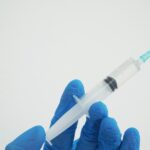
IVF injections deliver hormones directly into your body to control your reproductive system. These medications are precise. They are designed to stimulate your ovaries or prepare your uterine lining at exact times.
Alcohol is processed by your liver. The liver also helps regulate and clear hormones from your body. When you drink, your liver prioritizes breaking down alcohol. This can change how your body handles the injected hormones. Some research suggests this could make your medication less effective or create unpredictable hormone levels.
There is also a direct effect on egg quality. The eggs that will be retrieved in your cycle have been developing for months. Alcohol consumption during that development period can affect the quality of those eggs. Studies have consistently found that even moderate drinking can reduce the number of healthy eggs retrieved.
What About the Two-Week Wait After the Transfer?
The period after your embryo transfer is called the two-week wait. This is when implantation happens or does not happen. During this time, your body needs ideal conditions.
Alcohol can interfere with implantation. It may affect blood flow to the uterus. It can also alter estrogen and progesterone levels, which are critical for a developing embryo to attach and grow.
Most fertility specialists recommend complete abstinence during this phase. If you are trying to achieve a pregnancy, the embryo is exposed to whatever is in your bloodstream. There is no safe level of alcohol established for early pregnancy. The standard medical advice is that no amount of alcohol is known to be safe during pregnancy, and the two-week wait is treated as the beginning of pregnancy.
Does a Single Glass of Wine Ruin the Cycle?
One drink will not automatically destroy your IVF cycle. The evidence does not support that a single glass of wine guarantees failure. However, the risk is not worth the benefit.
Think about the cost of an IVF cycle. It involves significant financial investment, time, and emotional energy. Every decision you make during this process should protect that investment. If you are going to make a mistake, one drink is less harmful than binge drinking. But the honest medical position is that zero alcohol is the only confirmed safe approach.
Some clinics tell patients that one drink during stimulation is acceptable. Other clinics are absolute about zero tolerance. The difference in advice reflects the lack of strong data on low-level drinking during IVF. What is clear is that heavy drinking reduces success rates. The safest path is to abstain completely.



How Does Alcohol Affect Male Partners During IVF?
IVF is not only about the person receiving the injections. The male partner’s sperm quality matters just as much. Sperm takes about 74 days to develop. Alcohol affects sperm count, shape, and movement.
Studies have shown that men who drink regularly have lower sperm quality than men who abstain. This is true even when the drinking is moderate. For the best chance of creating healthy embryos, the male partner should also stop drinking during the IVF cycle.
This is often overlooked. Many couples focus only on the woman’s medication and diet. But embryo quality depends on both egg and sperm. If the male partner continues drinking, it can reduce fertilization rates and embryo quality.
What Is the Safest Approach During IVF Injections?
The safest approach is to stop drinking alcohol as soon as you decide to start IVF. Ideally, you stop three months before your egg retrieval. This matches the time it takes for eggs to mature and sperm to develop.
If you have already started your injections, stopping now is better than continuing. Your eggs are still developing in the final weeks before retrieval. Reducing or eliminating alcohol during this final stage can still make a difference.
If you struggle with stopping, talk to your clinic. Some patients benefit from counseling or support groups. Be honest with your doctor about your drinking habits. They cannot help you manage risks if they do not know the full picture.
Can You Drink Alcohol During IVF Injections and Still Get Pregnant?
Some women do drink during IVF and still get pregnant. That is a fact. Pregnancy outcomes are not determined by a single factor. Many things influence success, including age, diagnosis, and embryo quality.
But the question is not whether anyone has ever succeeded while drinking. The question is whether drinking improves, harms, or does nothing to your chances. The evidence shows it does not help. It may harm. When you are spending thousands of dollars and weeks of your life on treatment, you want every possible advantage.
Alcohol is a known reproductive toxin. It has no nutritional value. It provides no benefit to your fertility treatment. Removing it from your routine removes one controllable risk factor.
What About Alcohol After a Negative Pregnancy Test?
If your cycle fails and you get a negative pregnancy test, you may feel like having a drink to cope. This is understandable. The emotional toll of IVF is real.
There is no medical reason to avoid alcohol after a negative test. Your body is no longer under the influence of the IVF medications. A drink will not affect a cycle that has already ended.
However, if you are planning another cycle, keep in mind that your next eggs are already developing. Drinking heavily after a failed cycle can affect the quality of eggs for your next attempt. Moderation is wise if you plan to continue treatment.
Are There Alternatives to Alcohol During IVF?
Many people find the social pressure of drinking difficult during IVF. You may be at events where everyone else is drinking. You may feel like you are explaining yourself constantly.
Non-alcoholic alternatives are widely available now. Alcohol-free beer and wine have improved significantly in taste. Sparkling water with lime or a mocktail can feel festive without the alcohol.
If you are comfortable telling people you are doing IVF, being direct is often easiest. A simple statement like “I am not drinking right now for medical reasons” usually ends the conversation. You do not owe anyone a detailed explanation of your treatment.
Frequently Asked Questions
Can I have one glass of wine during IVF injections?
Most fertility doctors recommend against any alcohol during IVF injections. One drink is unlikely to ruin your cycle, but no safe level has been established.
When should I stop drinking before IVF?
Stop at least one month before your egg retrieval, and ideally three months before. This allows time for your eggs and sperm to improve in quality.
Does alcohol affect IVF success rates?
Research indicates that heavy drinking reduces IVF success rates. The effect of light drinking is less clear, which is why complete abstinence is recommended.
Can my partner drink alcohol during my IVF cycle?
Male partners should also avoid alcohol during IVF. Alcohol reduces sperm quality, which affects fertilization and embryo development.
