
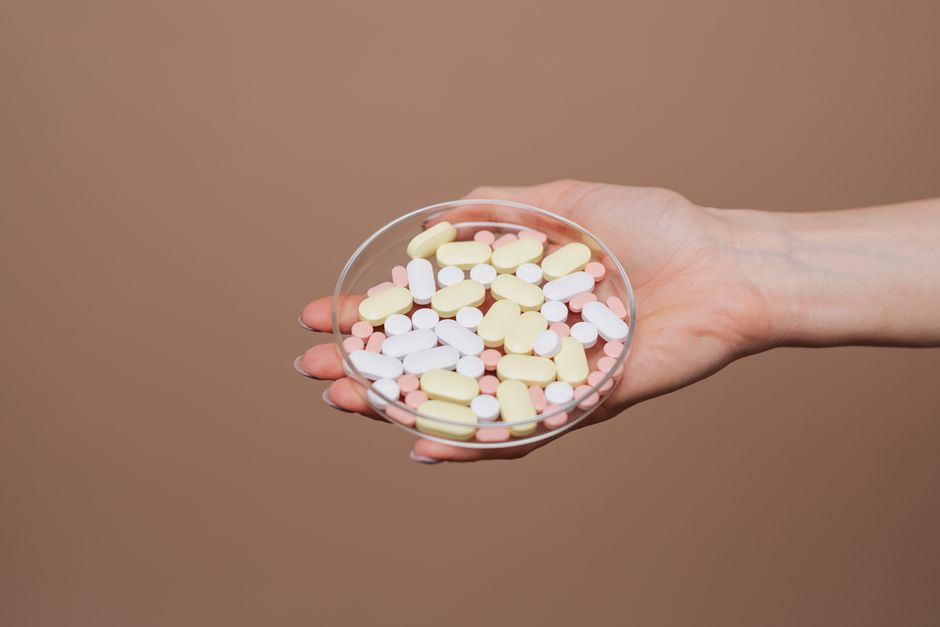
If you use CBD products and have a drug test coming up, the short answer is: most CBD will not show up on a drug test, but it can in certain situations. Standard drug tests look for THC, not CBD. However, some CBD products contain enough THC to trigger a positive result. The risk depends on the type of product you use, how much you take, and the test itself.
What Do Standard Drug Tests Actually Detect?
Workplace drug tests, military tests, and most athletic screenings do not test for CBD. They test for THC, the psychoactive compound in cannabis. This is an important distinction. A positive drug test means the test found THC metabolites in your system, not CBD.
Most CBD products are made from hemp, which is legally required to contain no more than 0.3% THC. That trace amount is usually too small to trigger a positive result. But “usually” is not the same as “always.”
How Could CBD Cause a Positive Drug Test?
There are three main ways a CBD product can lead to a failed drug test. Understanding each one helps you know your actual risk.
1. THC contamination in full-spectrum products. Full-spectrum CBD contains all the compounds found in the hemp plant, including trace amounts of THC. While 0.3% is the legal limit, that is not zero. If you take a high dose daily, THC can build up in your body over time and cross the detection threshold.
2. Mislabeled products. Studies have repeatedly found that some CBD products contain more THC than their labels claim. One well-known study tested CBD products and found that many contained significant amounts of THC. Some products labeled as “THC-free” actually contained THC. This is a labeling problem, not a testing problem.
3. Cross-contamination during manufacturing. Facilities that process both CBD and THC products may accidentally mix them. Even a small amount of contamination can matter if you use the product regularly.
Does CBD Itself Show Up on a Drug Test?
No. Standard immunoassay drug tests do not screen for CBD. The test uses antibodies designed to bind to THC metabolites. CBD has a different chemical structure and does not trigger the same reaction.
Some specialized tests can detect CBD, but these are rare. They are typically used in research settings or clinical trials, not in workplace testing. If you are being tested for CBD specifically, you would know in advance because the test would be unusual and specifically ordered.
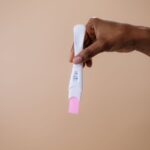
How Much THC Is Too Much for a Drug Test?
There is no single number that guarantees a safe amount. Drug test thresholds vary by testing company and by the type of test. Most standard workplace tests use a cutoff of 50 ng/mL for THC metabolites in urine. This means the test only reports positive if THC metabolites exceed that level.
Research on how much THC from CBD products it takes to reach that threshold is limited. What we know comes from case reports and small studies. Some people have tested positive after using full-spectrum CBD products daily for weeks. Others have used the same products and tested negative. Individual differences in metabolism, body fat, and frequency of use all play a role.
Which CBD Products Are Safest for Drug Testing?
If avoiding a positive drug test is your priority, product choice matters. Here is how the main types compare:
- CBD isolate: Pure CBD with no other cannabinoids. This is the safest option for drug testing because it should contain zero THC.
- Broad-spectrum CBD: Contains multiple cannabinoids but is supposed to have THC removed. Testing shows this is not always reliable.
- Full-spectrum CBD: Contains all hemp compounds, including trace THC. This carries the highest risk of a positive test.
Even with isolate products, there is no absolute guarantee. Third-party lab testing can help. Look for products that provide a certificate of analysis from an independent laboratory. This document shows the actual THC content measured in that specific batch.
How Long Does THC From CBD Stay in Your System?
THC is stored in fat cells and released slowly over time. For occasional users, THC metabolites typically clear within a few days. For regular users, it can take weeks or longer. This applies to THC from any source, including trace amounts in CBD products.
If you use a full-spectrum CBD product daily, THC can accumulate. Even if each dose contains only 0.3% THC, daily use can build up to detectable levels. This is especially true for people who use higher doses of CBD, such as those managing chronic pain or anxiety.
There is no reliable way to speed up THC elimination. Drinking water, exercising, or using detox products does not change how your body metabolizes THC. These methods are not supported by evidence and can actually dilute your urine, which may cause a test to be flagged as suspicious.
What If You Have a Drug Test Coming Up?
If you have a drug test scheduled, the safest choice is to stop using all CBD products at least two weeks before the test. For daily users, stopping earlier is better. Some experts suggest four weeks to be safe, though this is not based on strong clinical evidence.
Be honest with your employer or testing official about your CBD use. Some workplaces have policies that allow CBD use but prohibit THC. A positive test does not automatically mean you used marijuana. You may be able to request a confirmation test, which is more precise and can distinguish between different cannabinoids.
Confirmation testing uses gas chromatography-mass spectrometry, which measures the exact amount of THC in your sample. This test can often show that your THC level is below the legal threshold or consistent with trace contamination rather than intentional marijuana use.
Does Vaping or Edible CBD Change the Risk?
The method of consumption affects how quickly CBD enters your system, but it does not change the fundamental issue. Vaping delivers compounds to your bloodstream quickly. Edibles take longer to absorb. In both cases, the THC content of the product is what matters.
Vaping may carry a slightly higher risk because you can absorb more of the product at once. But the difference is not well studied. The bigger factor is the product itself, not how you consume it.
What About Prescription CBD?
Prescription CBD products, such as Epidiolex, are highly purified and contain negligible amounts of THC. These are regulated by the FDA and must meet strict quality standards. If you take prescription CBD, your risk of a positive drug test is very low. However, you should still inform your employer if you are taking a prescription medication that might affect testing.
Frequently Asked Questions
Can CBD gummies make you fail a drug test?
Yes, if the gummies contain enough THC. Gummies made from full-spectrum CBD or mislabeled products carry the highest risk. Isolate-based gummies are less likely to cause a positive result.
How long does CBD stay in your urine?
CBD itself can be detected in urine for several days, but drug tests do not look for it. THC metabolites from contaminated CBD products can remain detectable for weeks with regular use.
Is broad-spectrum CBD safe for drug tests?
Broad-spectrum products are supposed to have THC removed, but independent testing has found THC in some products labeled as broad-spectrum. The risk is lower than full-spectrum but not zero.
Will one dose of full-spectrum CBD cause a positive drug test?
Unlikely for most people. A single low dose typically does not produce enough THC metabolites to exceed the detection threshold. Regular daily use is what creates a real risk.
Drug testing policies vary by employer and by state. If you rely on CBD for medical reasons, discuss your situation with your doctor and your employer. There are legal protections in some states for medical cannabis use, but these do not always apply to workplace testing.
The bottom line is that CBD itself will not fail a drug test. THC contamination in some CBD products can. Choose isolate products, verify third-party lab results, and stop use well before a scheduled test if you want to eliminate the risk entirely.
