
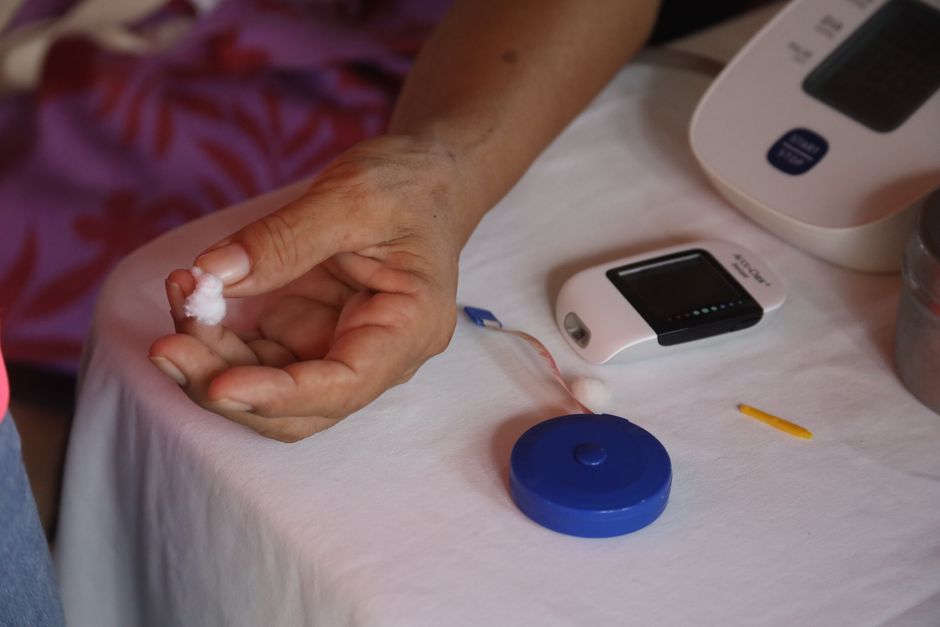
HPV testing for men is not as straightforward as it is for women. There is no routine HPV test approved for men. The only FDA-approved HPV tests are for cervical cancer screening in women. For men, testing is available in specific situations, mainly for those at higher risk, such as men who have sex with men, especially those with HIV. If you are healthy and have no symptoms, most guidelines do not recommend testing for HPV at all. The most reliable way to know your status is to monitor for visible warts or abnormal cells, but there is no simple swab or urine test that gives a yes-or-no answer for the virus in men.
Why Is HPV Testing Different for Men?
HPV infects skin and mucous membranes. In women, the cervix is a well-defined area where cell changes can be detected through a Pap smear. This led to the development of HPV DNA tests that look for high-risk types on cervical cells. Men do not have an equivalent single site to sample. The virus can infect the penis, scrotum, anus, mouth, and throat. There is no standard sample that reliably catches all possible HPV infections in men.
Research shows that HPV infection in men is common and usually clears on its own without causing problems. Most sexually active adults get HPV at some point. Since there is no approved screening test for men, and because most infections cause no harm, routine testing would lead to overdiagnosis and unnecessary worry. This is why medical guidelines from the CDC and major health organizations do not recommend routine HPV testing for men.
What Types of HPV Tests Exist for Men?
No test is approved by the FDA for detecting HPV in men’s genital samples. However, some tests are available in clinical settings, mainly for research or for men at high risk.
Anal HPV testing. For men who have sex with men, especially those with HIV, anal Pap smears and HPV DNA tests are sometimes done. These tests look for abnormal cells or high-risk HPV types in the anal canal. This is similar to cervical screening in women. Some clinics offer this as part of anal cancer prevention in high-risk groups.
Oral HPV testing. There is no standard test for oral HPV. Some research studies use mouth rinse samples to detect HPV DNA, but this is not part of routine care. No oral HPV test is approved for screening or diagnosis in the general population.
Genital wart diagnosis. If you have visible bumps or warts on your penis, scrotum, or anus, a healthcare provider can often diagnose HPV by looking at them. A biopsy may be done if the appearance is not clear. This is not a test for the virus itself but for the condition it causes. Low-risk HPV types 6 and 11 are responsible for most genital warts.
No urine test. Some companies sell urine-based HPV tests directly to consumers. No large trial has confirmed that urine testing for HPV in men is accurate enough to be reliable. The evidence here is limited. Medical guidelines do not recommend urine HPV testing for men.
How To Test For Hpv As A Man Know Your Options
The best approach depends on your risk factors and symptoms. If you have no symptoms and no known high risk, the honest answer is that testing is not available or recommended. If you have visible warts, a visual diagnosis by a doctor is the standard. If you have an HIV diagnosis or are a man who has sex with men and have receptive anal sex, some experts recommend anal Pap screening at regular intervals.
For anal screening, a healthcare provider inserts a moistened swab into the anus, rotates it to collect cells, and sends it to a lab. The lab looks for abnormal cells (cytology) and sometimes tests for high-risk HPV types. This is not a test for HPV anywhere else on your body. It specifically checks for anal precancer. There is no accepted recommendation for how often to do this, but some clinics suggest every one to three years if results are normal.
If you are concerned about oral HPV, currently no test is recommended outside of research. A dentist or doctor may notice abnormal tissue in your mouth or throat during an exam, but there is no routine swab or rinse that tells you whether HPV is present. Most oral HPV infections clear without any symptoms.





Who Should Consider HPV Testing as a Man?
Most men do not need any HPV test. The virus is extremely common, and almost all infections are harmless and temporary. Testing would not change treatment because there is no cure for the virus itself. Treatment is limited to removing visible warts or monitoring for abnormal cell changes.
Groups that may benefit from targeted testing include:
- Men with HIV, especially if CD4 count is low
- Men who have sex with men who have receptive anal sex
- Men who have had an abnormal anal Pap in the past
- Men with visible genital warts that are atypical or persistent
If you fall into one of these categories, talk to your healthcare provider about whether anal screening is appropriate. For heterosexual men with no symptoms, there is no established testing protocol.
Can You Test for HPV in Blood or Urine?
No blood test for HPV exists. HPV is a local infection of the skin and mucous membranes – it does not circulate in the blood the way some viruses do. Blood tests that claim to detect HPV antibodies exist for research, but they do not tell you if you currently have an active infection. Antibodies only show past exposure.
Urine tests have been studied but are not reliable for men. A 2020 analysis in the journal Sexually Transmitted Infections showed that urine HPV detection in men had low sensitivity compared to direct penile swabs. No clinical guidelines currently recommend urine HPV testing for men. If a company offers a urine test for HPV, you should be skeptical. No large human trial has confirmed that it works well enough for clinical use.
What About HPV Self-Testing Kits for Men?
Some online companies sell self-collection kits for HPV. These typically involve a swab for the penis or anus. The evidence here is limited. No self-test kit has been FDA-approved for men. The accuracy of these kits compared to a clinician-collected sample is not well established. Some studies suggest that self-sampling for anal HPV in MSM may be feasible, but it is not a standard recommendation.
If you choose to use a self-test, be aware that a positive result does not tell you where the infection is or whether it will cause problems. A negative result does not rule out HPV in other areas. The lack of clear guidance on what to do with the results makes these tests difficult to use in practice. Most clinicians would recommend against them until more data are available.
How to Prevent HPV as a Man
The HPV vaccine is the most effective way to prevent infection from the types that cause most cancers and genital warts. The vaccine is recommended for males starting at age 11 or 12, but it is also approved for adults up to age 45. Even if you are already sexually active, vaccination can protect against types you have not yet been exposed to. Talk to your doctor about whether the vaccine is right for you.
Condoms reduce the risk of HPV transmission but do not eliminate it. The virus can infect skin not covered by a condom. Limiting the number of sexual partners also lowers the chance of exposure. There is no way to completely eliminate the risk of HPV, but vaccination gives powerful protection.
What If You Have Visible Genital Warts?
If you notice bumps on your penis, scrotum, anal area, or thighs, see a healthcare provider. They can usually diagnose genital warts by looking at them. Treatment includes topical creams, cryotherapy (freezing), laser therapy, or surgical removal. The warts themselves are not dangerous and do not turn into cancer. They are caused by low-risk HPV types. Removing them does not eliminate the virus, but it reduces the chance of spreading it to partners.
Do not try to treat genital warts with over-the-counter wart removers. These are not formulated for genital skin and can cause burns or scarring. Always get a proper diagnosis first.
How to Find a Provider for HPV Testing
Start with your primary care doctor. They can perform a visual exam for warts and discuss whether anal screening is appropriate based on your risk factors. If you are a man who has sex with men and want anal Pap screening, you may need to see a specialist such as a gastroenterologist or an infectious disease doctor. Some sexual health clinics also offer this service.
Local health departments and LGBTQ+ health centers often provide low-cost screening for high-risk groups. If you have HIV, your HIV specialist can guide you on anal cancer screening protocols. For oral concerns, an ear-nose-throat doctor (ENT) or oral surgeon can examine suspicious lesions.
Frequently Asked Questions
Is there a routine HPV test for men?
No. There is no routine HPV test approved for men. The FDA has only approved HPV tests for cervical screening in women.
Can a blood test detect HPV in men?
No. HPV does not circulate in the blood. Blood tests for antibodies exist only for research and do not tell you about a current infection.
Does urine testing for HPV work in men?
No clinical guidelines recommend it. Studies show low accuracy compared to direct swabs.
Should I get tested for oral HPV?
No routine test exists. If you have a visible lesion in your mouth, see a doctor for evaluation.
