
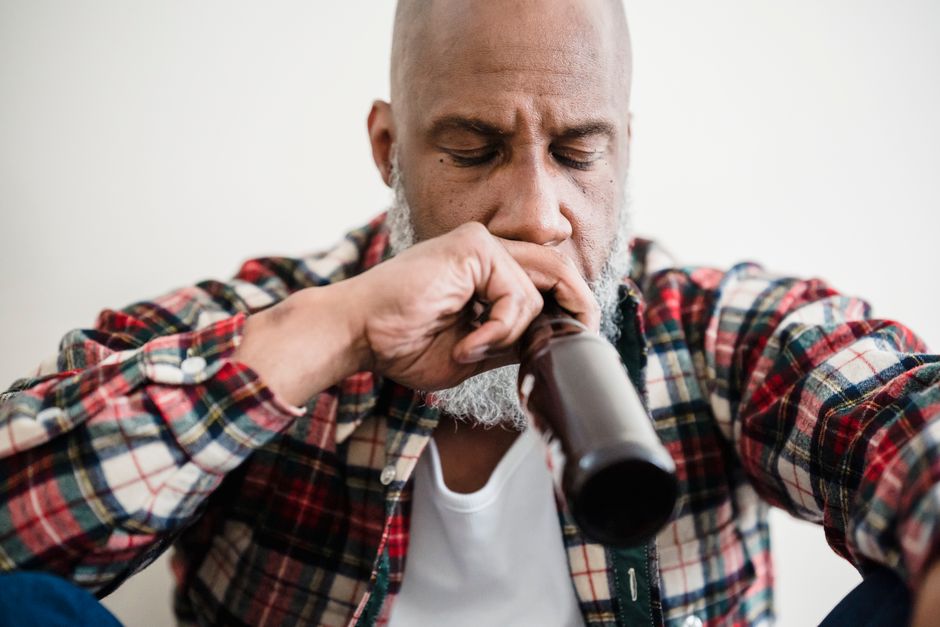
Drinking alcohol while in ketosis will likely pause fat burning for a few hours, and how much it disrupts ketosis depends on how much you drink. The liver treats alcohol as a priority fuel and stops making ketones while it processes the alcohol. A single drink may cause a brief slowdown. Several drinks can drop ketone levels significantly and stall fat loss for a day or more.
That answer surprises many people who assume only carbohydrates can kick them out of ketosis. Alcohol is not a carbohydrate, but it still changes what your liver does. Understanding why helps you decide what role, if any, alcohol should play in your low-carb or ketogenic routine.
How Does Alcohol Affect Ketosis?
Your liver is the only organ that makes ketone bodies in meaningful amounts. It is also the primary organ that breaks down alcohol. When both jobs compete, alcohol wins.
When you drink, the liver converts ethanol into acetaldehyde, then into acetate, and finally into carbon dioxide and water. This process takes priority over almost every other metabolic task, including ketone production. While the liver is busy clearing alcohol, it essentially stops converting fat into ketones.
This is not a subtle effect. Studies using blood ketone meters show measurable drops in beta-hydroxybutyrate after alcohol intake in people following ketogenic diets. The size of the drop tracks with how much you drink, not with whether the drink was “low-carb.”
There is a second issue. Alcohol metabolism produces a compound called NADH, which shifts the liver’s chemistry in a direction that favors fat storage and slows fat breakdown. In plain terms, your liver temporarily switches from burning fat to storing it. That switch lasts as long as alcohol is in your system.
So alcohol does not just slow ketosis. It pauses it. The pause is temporary, but it is real.
Will Alcohol Stop Ketosis Or Just Slow Fat Burning?
It does both, but in sequence. First, alcohol halts ketone production while the liver processes it. Then, after the alcohol clears, fat burning and ketone production resume — but the recovery is not instant.
How long the disruption lasts depends on several factors:
- Amount consumed. One standard drink is processed in roughly one to two hours in a healthy adult. Several drinks extend the timeline proportionally.
- Body size and liver health. A larger person generally clears alcohol faster than a smaller person. Any liver condition slows clearance.
- Food eaten at the same time. Eating carbohydrates alongside alcohol adds a separate insulin response that further suppresses ketone production.
- Your baseline ketone level. Someone with deep nutritional ketosis may dip but stay in a mild ketotic range. Someone barely in ketosis may drop out entirely.
For most people, a single drink causes a temporary dip that reverses within a few hours. Heavier drinking can keep ketone levels low for a full day or longer, especially if it is combined with high-carb mixers or late-night eating.
One clarification worth making: the idea that “clear spirits have no carbs, so they are keto-friendly” is only half true. Vodka, gin, whiskey, and similar spirits contain no carbohydrates, but they still contain ethanol, and ethanol is what disrupts ketosis. Carb count is not the whole story.
Does The Type Of Alcohol Matter?
Ethanol is ethanol. Your liver processes it the same way whether it comes from beer, wine, or spirits. What differs is everything else in the drink.
Beer and sweet wines carry carbohydrates. A standard 12-ounce regular beer contains roughly 10 to 15 grams of carbohydrates. Sweet wines and dessert wines can carry considerably more. Those carbs trigger insulin release, which independently suppresses ketone production. So a beer hits ketosis twice — once through ethanol and once through carbohydrates.
Distilled spirits contain no carbohydrates on their own. That does not make them neutral for ketosis. The ethanol still pauses ketone production. But if you are comparing options, a spirit with soda water has less impact on blood sugar than a sugary cocktail or a beer.
Mixers matter as much as the alcohol. A rum and cola delivers a large carbohydrate load. The same rum with soda water and lime does not. This is a meaningful difference for anyone tracking ketones, though it does not change the ethanol effect.




What Happens To Fat Burning After Drinking?
Fat burning slows or stops while alcohol is in your bloodstream. This is well established in metabolic research. The liver prioritizes alcohol clearance over fat oxidation, and the entire body shifts its fuel use accordingly.
The effect is temporary, but the practical consequences can last longer than the drink itself. Three things tend to happen after a drinking session:
- Ketone production resumes once blood alcohol returns to zero, but it can take several hours to reach previous levels.
- Appetite often increases. Alcohol is known to stimulate food intake, and the foods people reach for during or after drinking tend to be high in carbohydrates and fat.
- Sleep quality drops. Alcohol fragments sleep and reduces deep sleep, which can affect next-day appetite regulation and energy levels.
None of these effects are permanent. But stacked together, they can undo several days of careful eating in a single evening. That is not a moral judgment — it is just how the physiology tends to play out.
Can You Drink Alcohol And Stay In Ketosis?
Some people can have an occasional drink and remain in mild ketosis. Others drop out completely. Individual variation is real, and the only way to know your own response is to measure.
If you use a blood ketone meter, you can test before drinking, a few hours after, and the next morning. This gives you actual data rather than guesswork. Urine strips are less reliable for this purpose because they measure acetoacetate, which can lag behind blood beta-hydroxybutyrate.
Factors that tend to reduce the impact:
- Keeping it to one drink
- Choosing spirits with zero-carb mixers
- Avoiding carbohydrate-heavy food while drinking
- Staying well hydrated
- Not drinking on an empty stomach
Factors that tend to increase the impact:
- Multiple drinks in one session
- Sugary mixers, beer, or sweet wine
- Late-night eating
- Poor sleep afterward
There is no way to drink heavily and stay in ketosis. The physiology does not allow it. But an occasional single drink is unlikely to derail a well-established ketogenic diet for more than a few hours.
Is There A Difference Between “Pausing” And “Breaking” Ketosis?
The distinction matters more than it sounds. A pause means ketone production stops temporarily and then resumes. Breaking ketosis usually means your body has shifted back to relying primarily on glucose, which takes longer to reverse.
A single drink typically causes a pause. Ketone levels dip, then recover once the alcohol clears. A night of heavy drinking combined with carbohydrate-heavy food can cause a genuine break. Getting back into ketosis after that can take anywhere from a day to several days, depending on how strictly you eat afterward.
The term “breaking ketosis” gets used loosely online. In practice, it is not a light switch. Ketone levels rise and fall along a continuum, and the line between “in ketosis” and “not in ketosis” is somewhat arbitrary. Most people define it by a blood beta-hydroxybutyrate threshold, but the exact cutoff varies by source.
What matters practically is this: the more you drink, and the more carbohydrates you consume alongside it, the longer it takes to get back to where you were.
What About The Health Risks Of Drinking On Keto?
This deserves a direct answer. Drinking alcohol while following a very low-carbohydrate diet may carry risks that are not well studied in long-term human trials.
Some clinicians have raised concerns about combining ketogenic diets with alcohol, particularly regarding liver stress and electrolyte balance. The evidence here is limited. No large controlled trials have specifically examined long-term alcohol use in people on ketogenic diets.
What is well established is that heavy drinking carries health risks regardless of diet. Those risks do not change because you are in ketosis. If anything, the combination of a restrictive diet and regular alcohol use is worth discussing with a doctor who knows your health history.
For anyone taking medication, pregnant, breastfeeding, or managing a liver condition, alcohol guidance should come from a clinician, not from a general article. No clinical guidelines exist for safe alcohol intake specifically in ketogenic dieters.
Frequently Asked Questions
How long does alcohol stop ketosis?
Ketone production typically pauses while alcohol is in your bloodstream, which is roughly one to two hours per standard drink in a healthy adult. Levels usually begin recovering once blood alcohol returns to zero.
Does vodka stop ketosis?
Yes. Vodka contains no carbohydrates, but the ethanol still pauses ketone production in the liver. Carb-free does not mean ketosis-neutral.
Can one glass of wine kick you out of ketosis?
A single glass of dry wine may cause a temporary dip in ketones without fully breaking ketosis. Sweet wines carry more carbohydrates and are more likely to disrupt it.
How do you get back into ketosis after drinking?
Stop drinking, avoid carbohydrates, and resume your normal ketogenic eating pattern. Most people return to their previous ketone levels within a day if they do not drink heavily or eat high-carb foods.
