
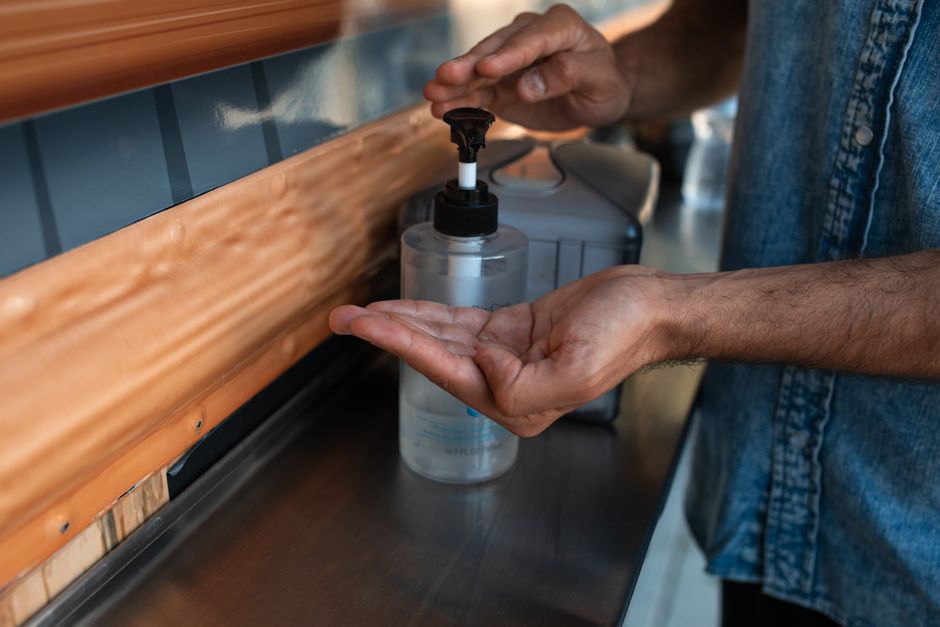
Rubbing alcohol is a liquid made of isopropyl alcohol and water, and it is used mainly for cleaning surfaces, disinfecting skin before some minor procedures, and removing oils or residue from hard surfaces and electronics. It is also the active ingredient in many household first-aid and cleaning products. It is not the same as drinking alcohol, and it is not safe to swallow.
Most rubbing alcohol sold in the United States is 70 percent isopropyl alcohol by volume, though 91 percent and 99 percent versions are also common. The number on the bottle tells you how much of the liquid is actual alcohol. That number matters more than most people realize, because it changes how the product behaves on skin, on surfaces, and on germs.
What Is Rubbing Alcohol Used For?
Rubbing alcohol has three main jobs: killing germs on skin and hard surfaces, dissolving oils and residue, and cooling skin through fast evaporation.
The germ-killing use is the most common. You will see it in first-aid kits, doctor’s offices, and tattoo shops. A cotton ball soaked in rubbing alcohol is wiped across skin before an injection or a finger prick. It dries in seconds and leaves no residue.
The cleaning use is just as common. Rubbing alcohol cuts through grease, ink, adhesive residue, and the oils left by fingers on glass and metal. It evaporates completely, which is why it is used on electronics, eyeglasses, and small mechanical parts.
The cooling use is less obvious. Because alcohol evaporates quickly, it pulls heat away from the skin as it dries. This is why it has historically been used in sponge baths to bring down a fever. That practice is now discouraged for children, and I will explain why below.
Rubbing alcohol is also flammable. It should never be used near an open flame, a pilot light, or a lit cigarette.
Does Rubbing Alcohol Kill Germs?
Yes, rubbing alcohol kills many bacteria and viruses on contact, but only when it is used correctly and at the right concentration.
Alcohol works by breaking down the outer coating of certain germs and disrupting the proteins inside them. Once those proteins are disrupted, the germ can no longer function or reproduce. This is a well-established mechanism and one of the reasons alcohol-based hand sanitizers are recommended when soap and water are not available.
Concentration matters. A 70 percent solution is generally more effective against many germs than a 99 percent solution. The reason is that the 70 percent version contains water, and that water helps the alcohol penetrate the cell wall of the germ before the alcohol evaporates. Pure alcohol can dry out the outer layer of a germ too quickly, sealing it before the alcohol gets inside.
Rubbing alcohol does not kill everything. It is not effective against bacterial spores, which are the tough dormant forms some bacteria take. It is also not reliable against some viruses that lack a protective outer envelope. For those, other disinfectants are needed.
One important limit: rubbing alcohol is not a sterilant. Sterilization destroys all forms of microbial life, including spores. Rubbing alcohol reduces germs but does not sterilize. Medical equipment that needs to be sterile is processed with heat, pressure, or chemical sterilants, not with a bottle of rubbing alcohol.
Is Rubbing Alcohol Safe for Skin?
Rubbing alcohol is safe for brief use on intact skin, but regular or repeated use damages the skin barrier.
Occasional use before a shot or a blood draw is fine. The skin recovers quickly. Daily use is a different story. Alcohol strips the natural oils that keep skin waterproof and flexible. Over time, this leads to dryness, cracking, and irritation.
Broken skin is a hard stop. Do not apply rubbing alcohol to cuts, scrapes, burns, or open wounds. It damages the tissue that is trying to heal and slows the process down. This is one of the most common mistakes people make with the product.
People with eczema, psoriasis, or sensitive skin should avoid it entirely on large areas. The same goes for anyone whose skin is already dry or cracked.
Rubbing alcohol should never be applied to the eyes, inside the nose, inside the mouth, or on the genital area. These areas have delicate tissue that alcohol will irritate or damage.




Why Is Rubbing Alcohol No Longer Used for Fevers?
Sponge baths with rubbing alcohol were once a standard way to bring down a fever, especially in children. That practice is now discouraged because the alcohol can be absorbed through the skin and cause serious harm.
Children have thinner skin and a larger skin surface relative to their body weight than adults. That combination means a child can absorb a meaningful amount of alcohol from a sponge bath. Once in the bloodstream, isopropyl alcohol acts as a poison. It can cause drowsiness, confusion, slowed breathing, and in severe cases, coma.
There is also a fire risk. Alcohol vapors are heavier than air and can travel. A spark from a nearby source can ignite them.
For fever in a child, the safer approach is a lukewarm sponge bath with plain water, fluids, and fever-reducing medication given at the correct dose for the child’s weight. If a fever is high, lasting, or accompanied by other symptoms, contact a healthcare provider. Rubbing alcohol should not be part of fever care for anyone, and especially not for children.
What Should You Never Do With Rubbing Alcohol?
Rubbing alcohol is a poison when swallowed, and it is dangerous in several other situations that people underestimate.
- Never drink it. Even a small amount can cause alcohol poisoning. Isopropyl alcohol is roughly twice as toxic as the alcohol in beverages.
- Never use it on open wounds or burns.
- Never use it in a fever sponge bath, especially on a child.
- Never use it near flames, pilot lights, or sparks.
- Never store it in a container that looks like a drink bottle. This is a real cause of accidental poisoning.
- Never use it on the eyes, mouth, nose, or genitals.
- Never mix it with bleach. The combination can produce harmful vapors.
If someone swallows rubbing alcohol, this is a medical emergency. Call Poison Control or emergency services right away. Do not wait for symptoms to appear.
Rubbing Alcohol vs. Other Disinfectants
Rubbing alcohol is one option among several, and it is not always the best one. Here is how it compares to the products people most often reach for instead.
| Product | Best for | Key limits |
|---|---|---|
| Rubbing alcohol (70%) | Skin before minor procedures, hard surfaces, electronics | Not a sterilant; flammable; dries out skin |
| Hydrogen peroxide (3%) | Cleaning minor wounds | Damages healing tissue with repeated use; breaks down in light |
| Bleach solution | Hard surfaces, floors, spills | Corrosive; must be diluted; never mix with alcohol or ammonia |
| Soap and water | Hands, most everyday cleaning | Not a disinfectant for surfaces on its own |
For everyday hand cleaning, soap and water remain the standard. Alcohol-based hand sanitizer is the backup when soap and water are not available. For surfaces, the right choice depends on what you are cleaning and what you are trying to kill.
How Should Rubbing Alcohol Be Stored?
Rubbing alcohol should be stored in its original container, tightly closed, away from heat, sparks, and flames, and out of reach of children and pets.
It evaporates quickly when left open, and the concentration drops as it does. A bottle left uncapped will not stay at 70 percent for long. Keep the cap on.
Store it at room temperature. Extreme heat is a fire risk. Extreme cold is not dangerous but can affect how the product performs.
Check the label for an expiration date. Rubbing alcohol does not spoil in the way food does, but its concentration can drift over time if the container is not sealed well. If a bottle has been open for years, its germ-killing power may be reduced.
Keep it out of reach of children. Isopropyl alcohol is one of the more common causes of accidental poisoning in the home, and the bright, clear liquid can look like water.
Frequently Asked Questions
Can I use rubbing alcohol to clean my phone?
Yes, a lightly dampened cloth with 70 percent rubbing alcohol is commonly used on phone screens and cases. Avoid pouring liquid directly on the device, and check the manufacturer’s guidance first, since some coatings can be damaged over time.
Is 91 percent rubbing alcohol better than 70 percent?
Not for killing germs on skin. The 70 percent version is generally more effective because the water in it helps the alcohol penetrate germs before it evaporates. Higher concentrations are better for cleaning electronics and removing residue.
Can rubbing alcohol be used on a cut?
No. Rubbing alcohol damages the tissue that is trying to heal and slows the process down. Clean cuts with plain water or mild soap and water instead, and seek medical care for deep or dirty wounds.
What happens if you accidentally drink rubbing alcohol?
It is a medical emergency. Call Poison Control or emergency services immediately, even if the person seems fine at first, because symptoms can worsen quickly.
