
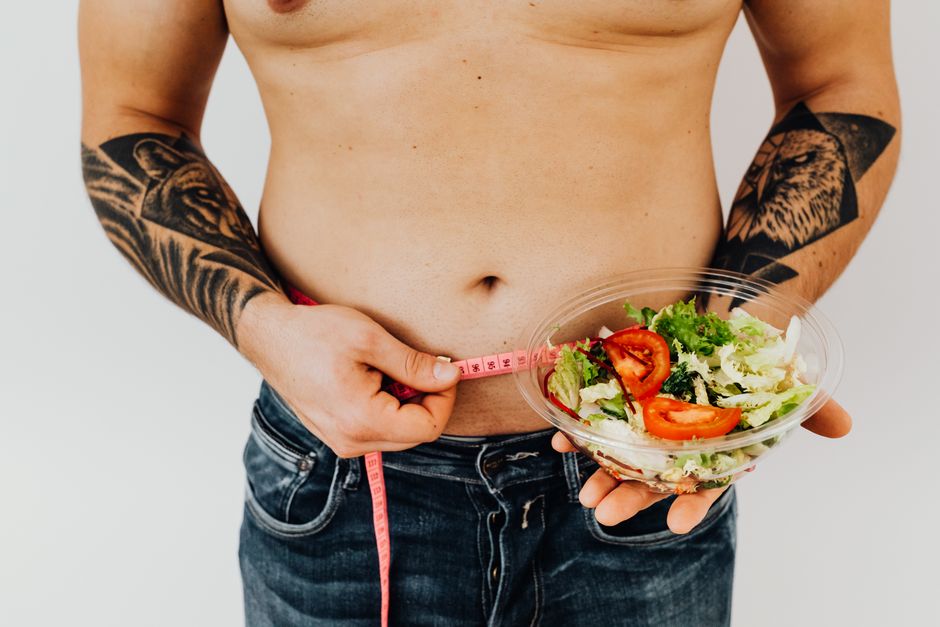
Testosterone does not burn fat on its own. It helps determine where your body stores fat, how much muscle you carry, and how your metabolism uses energy. When testosterone drops below normal, body composition often shifts toward more fat and less muscle. When it is restored to normal in someone who was deficient, that trend can partly reverse. But testosterone is not a fat-loss drug, and the evidence for using it in people with normal levels is weak.
Does Testosterone Make You Leaner? Fat Loss Explained
Testosterone influences body fat, but it does not simply melt it away. The relationship runs mostly through muscle, appetite, and where fat gets stored.
Men with low testosterone tend to carry more fat, particularly around the belly. Research consistently shows an association between low testosterone and higher rates of obesity. What is harder to untangle is cause and effect. Fat tissue itself contains an enzyme called aromatase that converts testosterone into estrogen. More fat means more conversion, which can lower testosterone further. That creates a loop where low testosterone and excess fat feed each other.
When men with genuinely low testosterone receive replacement therapy, studies generally show a modest reduction in fat mass and a modest gain in lean mass. The word to hold onto is modest. These are not the changes you would see from a serious diet and training program. Testosterone shifts the trend. It does not do the work.
In men with normal testosterone, the picture changes. Adding more testosterone on top of a normal level has not been shown to produce meaningful fat loss in controlled human trials. Some bodybuilders use high doses and get lean, but they are also training hard, eating carefully, and often using other drugs. The testosterone is one part of a much larger picture.
How Does Testosterone Affect Body Fat?
Testosterone affects fat through several pathways, and they work together.
- Muscle maintenance. Testosterone supports muscle protein synthesis. More muscle means a slightly higher resting energy expenditure, because muscle burns more calories at rest than fat does.
- Fat storage location. Testosterone tends to discourage fat storage in the belly and encourage it in the hips and thighs. When testosterone falls, fat often shifts toward the abdomen.
- Fat cell signaling. Testosterone affects enzymes involved in breaking down stored fat and building new fat. The net effect favors less fat storage when levels are adequate.
- Insulin sensitivity. Low testosterone is linked with worse insulin sensitivity, which can promote fat storage. This relationship appears to run in both directions.
None of these pathways is powerful enough on its own to produce large fat loss. Together they shape how your body handles energy over months and years, not days.
What Happens to Body Fat When Testosterone Is Low?
Low testosterone is linked with a specific pattern of body composition change. Fat increases, especially around the middle. Lean mass decreases. Strength often declines too.
These changes overlap heavily with normal aging, which makes them easy to miss. A man in his fifties who gains belly fat and loses some strength may be experiencing low testosterone, ordinary aging, or both. Symptoms alone cannot tell the difference. Blood testing is what separates them.
Diagnosis relies on more than one measurement. Testosterone levels fluctuate through the day and are usually highest in the morning. Clinical guidelines generally call for two separate morning blood tests before confirming low testosterone. A single low reading is not enough.
Reference ranges vary between laboratories, but many labs define normal total testosterone as roughly 300 to 1,000 nanograms per deciliter in adult men. The threshold for treatment is debated. Some clinicians treat men near the lower end of the range who have symptoms. Others focus on clearly low values. This is an area where expert opinion genuinely differs.
Does Testosterone Replacement Therapy Cause Weight Loss?
Testosterone replacement therapy can reduce fat mass and increase lean mass in men with confirmed low testosterone. It does not reliably reduce body weight.
That distinction matters. Lean mass is denser than fat mass. If you gain five pounds of muscle and lose five pounds of fat, the scale does not move, but your body looks and functions differently. Several trials in men with low testosterone have shown reductions in fat mass alongside gains in lean mass, with little change in total weight.
The size of the effect varies between studies. It also depends on starting testosterone level, baseline body composition, and whether the man changes diet or activity. Testosterone replacement is not a shortcut around those fundamentals.
There is also a safety side. Testosterone therapy can raise red blood cell counts, which thickens the blood and can increase clotting risk. It can worsen sleep apnea. It suppresses sperm production and can affect fertility. In men with prostate cancer, it is generally avoided. These are reasons why treatment belongs under medical supervision with monitoring, not self-directed use.
Can You Lose Fat by Raising Testosterone Naturally?
Lifestyle changes can raise testosterone modestly in some men, and they can also produce fat loss directly. The two effects are hard to separate.
Weight loss itself tends to raise testosterone in men who carry excess fat. This is one of the clearest findings in this area. Losing fat reduces aromatase activity, which means less testosterone is converted to estrogen. Testosterone levels often rise as a result. The direction of benefit runs both ways: losing fat can improve testosterone, and better testosterone can support fat loss.
Other factors with reasonable evidence behind them include:
- Resistance training. Strength training supports muscle mass and has been linked with modest testosterone increases in some studies.
- Sleep. Most testosterone is released during sleep. Chronic sleep restriction is associated with lower levels.
- Managing severe stress. Long-term high cortisol is linked with suppressed testosterone.
- Avoiding extreme calorie restriction. Very low calorie intake and overtraining can lower testosterone.
What does not have solid evidence: most over-the-counter “testosterone boosters.” The majority of these products have not been shown to raise testosterone in controlled human trials. Some contain ingredients that could interact with medications or affect liver function. The marketing runs far ahead of the data.
Is Testosterone a Fat-Loss Treatment?
No. Testosterone is not approved as a weight-loss or fat-loss treatment, and it should not be used as one.
It is approved for men with confirmed hypogonadism, meaning the body does not produce enough testosterone on its own. In that group, improvements in body composition are a recognized effect of treatment. In men with normal levels, the evidence does not support using it for fat loss.
There is also a practical problem. Testosterone use can suppress the body’s own production. Men who take it without a genuine deficiency may end up dependent on external testosterone to maintain normal levels. Stopping can leave them lower than when they started, at least temporarily.
If fat loss is the goal, the interventions with the strongest evidence remain the familiar ones: a calorie deficit, adequate protein, resistance training, and enough sleep. These are not exciting answers. They are the ones supported by the most data.
When Should You Talk to a Doctor About Testosterone?
Talk to a doctor if you have symptoms that suggest low testosterone and they are affecting your daily life. These can include persistent fatigue, low sex drive, erectile changes, loss of muscle, increased belly fat, and low mood.
Bring up the possibility directly. Testing is straightforward. Ask for a morning total testosterone level, and expect that a second test may be needed to confirm any low result.
Be cautious with clinics that diagnose low testosterone from a single test and offer treatment the same day. Legitimate diagnosis involves repeat testing, a review of symptoms, and a discussion of risks. If a provider does not mention fertility effects, blood count monitoring, or prostate considerations, that is a reason to get a second opinion.
The relationship between testosterone and body fat is real, but it is a two-way street with modest effects at each turn. Testosterone shapes body composition. It does not replace the basics that drive fat loss.
Frequently Asked Questions
Does testosterone make you lose belly fat?
Low testosterone is linked with more belly fat, and restoring normal levels in deficient men can modestly reduce it. In men with normal testosterone, there is no good evidence that raising it further reduces belly fat.
Can low testosterone cause weight gain?
Low testosterone is associated with increased fat mass and reduced muscle mass, which can change body weight and shape. The relationship runs both ways, since excess fat tissue can also lower testosterone.
Will testosterone therapy help me lose weight?
Testosterone therapy can reduce fat mass and increase lean mass in men with confirmed low testosterone, but it often does not change total body weight. It is not approved or recommended as a weight-loss treatment.
Do testosterone boosters from the store actually work?
Most over-the-counter testosterone boosters have not been shown to raise testosterone in controlled human trials. Some ingredients may interact with medications or affect liver function.
